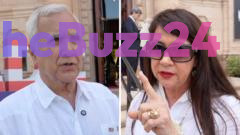
Miami Diaspora Weighs In as Raúl Castro Faces U.S. Indictment
The U.S. government has formally indicted former Cuban president Raúl Castro, a move that has sent shockwaves through the Cuban-American community in Miami. At 94 years old, Castro is facing grave allegations, including conspiracy to commit the murder of U.S. nationals. These charges stem from a 1996 incident in which two civilian aircraft were downed in the airspace between Cuba and Florida, a tragedy that has remained a painful open wound for many families in the diaspora for decades.
For many residents in South Florida, this legal development is being viewed through the lens of recent international precedents, specifically the U.S. actions taken against Venezuelan leader Nicolás Maduro. The prospect of a high-ranking foreign official facing American judicial scrutiny has ignited intense debate. Supporters of the indictment see it as a long-overdue pursuit of justice for victims of the regime, while others express concern that such a bold legal maneuver could trigger regional instability or complicate an already fragile geopolitical landscape.
As the legal proceedings begin to take shape, the community is grappling with the potential long-term consequences for U.S.-Cuba relations. The indictment marks a notable escalation in diplomatic tensions that have persisted for generations. Observers are now questioning whether this move signals a permanent shift in American foreign policy toward the island nation or if it will simply serve to further solidify the existing diplomatic stalemate between Washington and Havana.
Key Takeaways
- Former Cuban leader Raúl Castro has been indicted by the U.S. for conspiracy to commit the murder of U.S. nationals.
- The charges are linked to the 1996 downing of two aircraft in the airspace between Cuba and Florida.
- The Miami Cuban-American community is divided, with reactions ranging from calls for accountability to concerns over regional instability.
Editor’s Analysis & Impact
The indictment of Raúl Castro represents a significant hardening of U.S. foreign policy, signaling that the American judicial system is increasingly willing to pursue high-level foreign officials for historical human rights abuses and acts of aggression. This move mirrors a broader trend of using the Department of Justice as a tool of international pressure, similar to actions taken against other Latin American leaders. From a market and geopolitical perspective, this escalation likely precludes any near-term thaw in U.S.-Cuba relations. Investors and stakeholders should anticipate heightened diplomatic friction, which may further isolate the Cuban economy and discourage potential foreign investment. The long-term implication is a shift toward a more confrontational posture, potentially forcing other nations to choose sides in an increasingly polarized Western Hemisphere.
Frequently Asked Questions
Q: What are the specific charges against Raúl Castro?
A: Raúl Castro faces charges including conspiracy to commit the murder of U.S. nationals, specifically related to the 1996 downing of two aircraft.
Q: Why is the Miami community reacting strongly to this news?
A: The Miami Cuban-American community has deep personal and historical ties to the events in Cuba; many view the indictment as a long-awaited pursuit of justice for past grievances, while others fear the potential for increased regional instability.
AI Disclosure: This article is based on verified data and official reports. Our Team and AI have cross-referenced every financial detail with primary sources to ensure total accuracy.
More from this Category