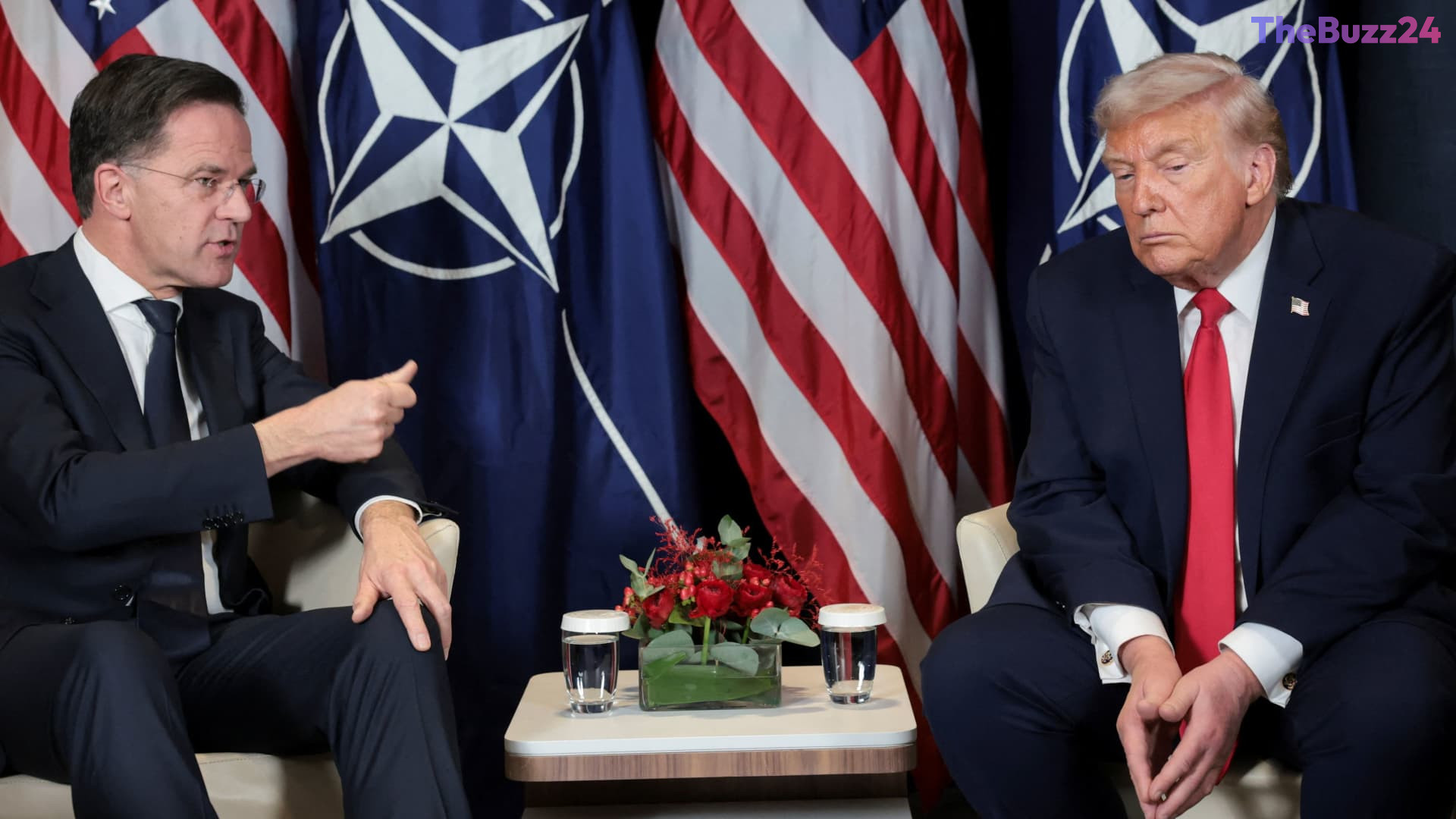
NATO Initiates Massive Defense Spending Overhaul Amid Strategic Shift in Poland
NATO is embarking on a significant financial transformation, with member nations committing to a substantial increase in defense budgets over the next decade. Secretary General Mark Rutte confirmed that the 32-member alliance has reached a consensus to elevate defense spending targets from 2% to 5% of gross domestic product by 2035. This initiative is designed to bolster the alliance’s industrial capacity and ensure long-term deterrence capabilities across the European theater.
Simultaneously, the United States is reinforcing its military footprint in Eastern Europe, with President Donald Trump announcing the deployment of 5,000 additional troops to Poland. This move marks a pivot from previous strategic planning and underscores Poland’s critical role within the alliance, as the nation currently maintains the highest defense spending ratio relative to its GDP among all members. While the U.S. continues to lead in total expenditure—having invested roughly $845 billion in the previous year—the alliance is actively seeking a more equitable distribution of security burdens.
The broader objective of this fiscal pivot is to foster a more self-reliant European security architecture. By scaling up domestic defense production and investment, European allies aim to decrease their reliance on American military support. This transition is intended to provide Washington with greater strategic flexibility to manage global priorities while ensuring that the alliance remains robust enough to address evolving security threats throughout the coming decade.
Key Takeaways
- NATO members have agreed to increase defense spending targets to 5% of GDP by 2035.
- The U.S. is deploying 5,000 additional troops to Poland, signaling a shift in regional military posture.
- The alliance is prioritizing increased European industrial output to reduce dependence on U.S. military resources.
Editor’s Analysis & Impact
The decision to raise defense spending to 5% of GDP represents a seismic shift in the economic and geopolitical landscape of the West. For decades, the ‘2% target’ was a contentious benchmark; moving to 5% suggests that NATO is preparing for a prolonged era of high-intensity security requirements. This policy will likely stimulate significant growth in the defense industrial base, benefiting aerospace and manufacturing sectors across Europe. However, it also poses a fiscal challenge for member states, potentially forcing trade-offs in social spending. The U.S. pivot toward Poland, while reinforcing the alliance’s eastern flank, also signals a move toward a ‘distributed’ security model. If successful, this transition will create a more resilient, multi-polar NATO, though it requires unprecedented levels of political coordination and industrial synchronization among member states.
Frequently Asked Questions
Q: What is the new defense spending target for NATO members?
A: NATO members have agreed to increase their defense spending targets to 5% of their gross domestic product by the year 2035.
Q: Why is the U.S. increasing its troop presence in Poland?
A: The deployment of 5,000 additional U.S. troops to Poland is part of a strategic shift to bolster the alliance's eastern flank and recognize Poland's leadership in defense investment.
AI Disclosure: This article is based on verified data and official reports. Our Team and AI have cross-referenced every financial detail with primary sources to ensure total accuracy.
More from this Category