NTSB Tightens Data Security After AI Used to Fabricate Pilot Voices
The National Transportation Safety Board (NTSB) has implemented strict new security measures for its digital investigation archives following the discovery that artificial intelligence was weaponized to synthesize the voices of deceased pilots. The breach involved the unauthorized use of spectrogram files—visual data representing sound frequencies—which were hosted on the agency’s public docket system. By extracting this data, bad actors were able to reconstruct cockpit audio from a fatal UPS plane crash, creating fabricated recordings of the pilots’ final moments that were subsequently shared on social media.
While federal regulations mandate that actual cockpit voice recordings remain private, the NTSB has long maintained a policy of transparency by providing extensive investigative documentation to the public. The incident highlights a significant vulnerability in this approach, as modern AI tools can now bridge the gap between technical visual data and realistic audio synthesis. The ability to combine these spectrograms with publicly available transcripts allowed for the creation of highly convincing, yet entirely artificial, audio files.
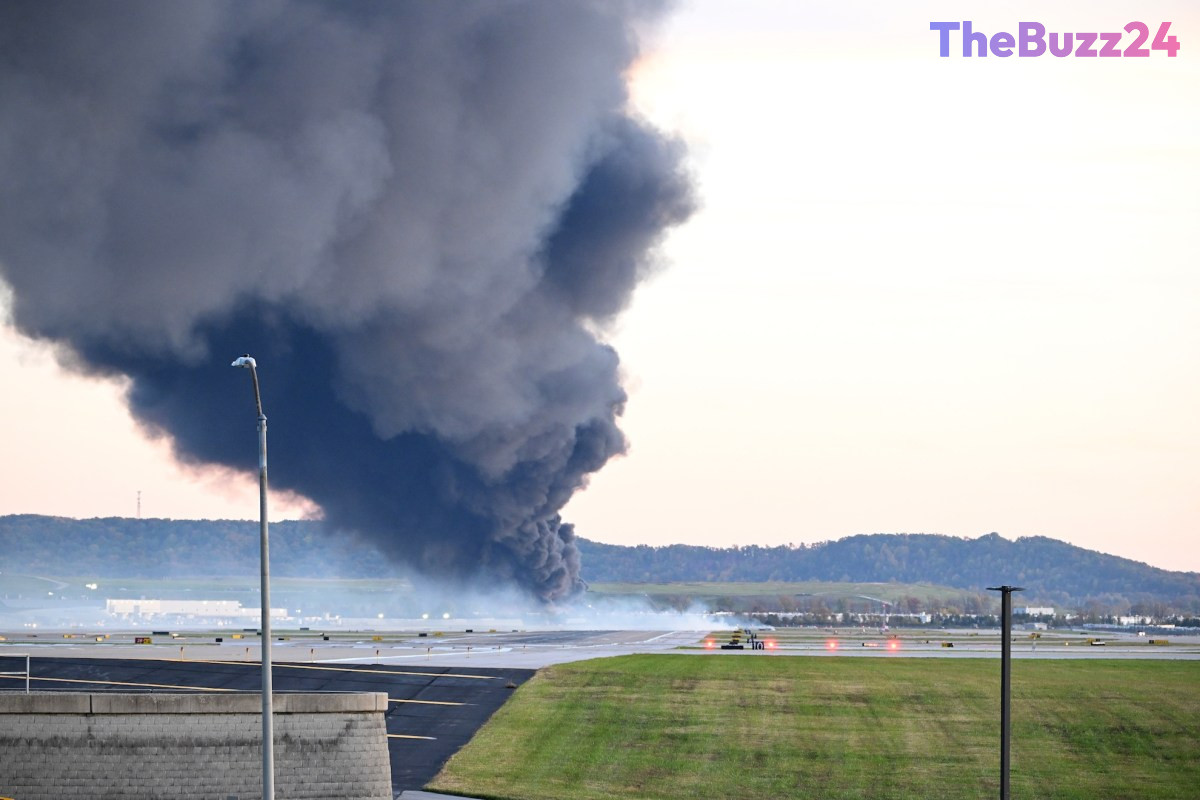
In the wake of this security failure, the NTSB temporarily suspended its online docket portal to conduct a thorough audit. Although the system has since been brought back online, the agency has permanently restricted access to 42 sensitive investigation files, including those related to the UPS Flight 2976 crash in Louisville, Kentucky. This move signals a shift in how regulatory bodies must balance the need for public transparency with the evolving risks posed by generative AI and the potential for digital misinformation.
Key Takeaways
- The NTSB restricted access to 42 investigation files after AI was used to synthesize the voices of deceased pilots from public spectrogram data.
- Unauthorized individuals used visual sound frequency data from the agency's public docket to create fabricated cockpit audio recordings.
- The incident has forced a reevaluation of how federal agencies balance public transparency with the risks of AI-driven data manipulation.
Editor’s Analysis & Impact
This incident marks a critical turning point for government transparency and digital security. As generative AI tools become more accessible, the threshold for creating convincing deepfakes has dropped significantly, turning previously benign technical data into potential liabilities. The NTSB’s decision to restrict access to specific files is a necessary defensive measure, but it highlights a broader systemic challenge: how can public institutions maintain transparency when the data they release can be weaponized to create misinformation? Moving forward, we can expect other regulatory bodies to audit their public-facing databases for similar vulnerabilities. This trend will likely lead to more stringent ‘data sanitization’ protocols, where technical files are either redacted or withheld entirely to prevent the misuse of sensitive information by bad actors using sophisticated AI synthesis.
Frequently Asked Questions
Q: Why were the NTSB investigation files restricted?
A: The files were restricted because unauthorized individuals used spectrogram data found within the files to create AI-synthesized audio of deceased pilots, which was then circulated online.
Q: Are cockpit voice recordings usually public?
A: No, federal law strictly prohibits the public release of actual cockpit voice recordings to protect the privacy of the crew and their families.
AI Disclosure: This article is based on verified data and official reports. Our Team and AI have cross-referenced every financial detail with primary sources to ensure total accuracy.
More from this Category