US and Iran Advance Towards Ceasefire, Paving Way for Nuclear Talks
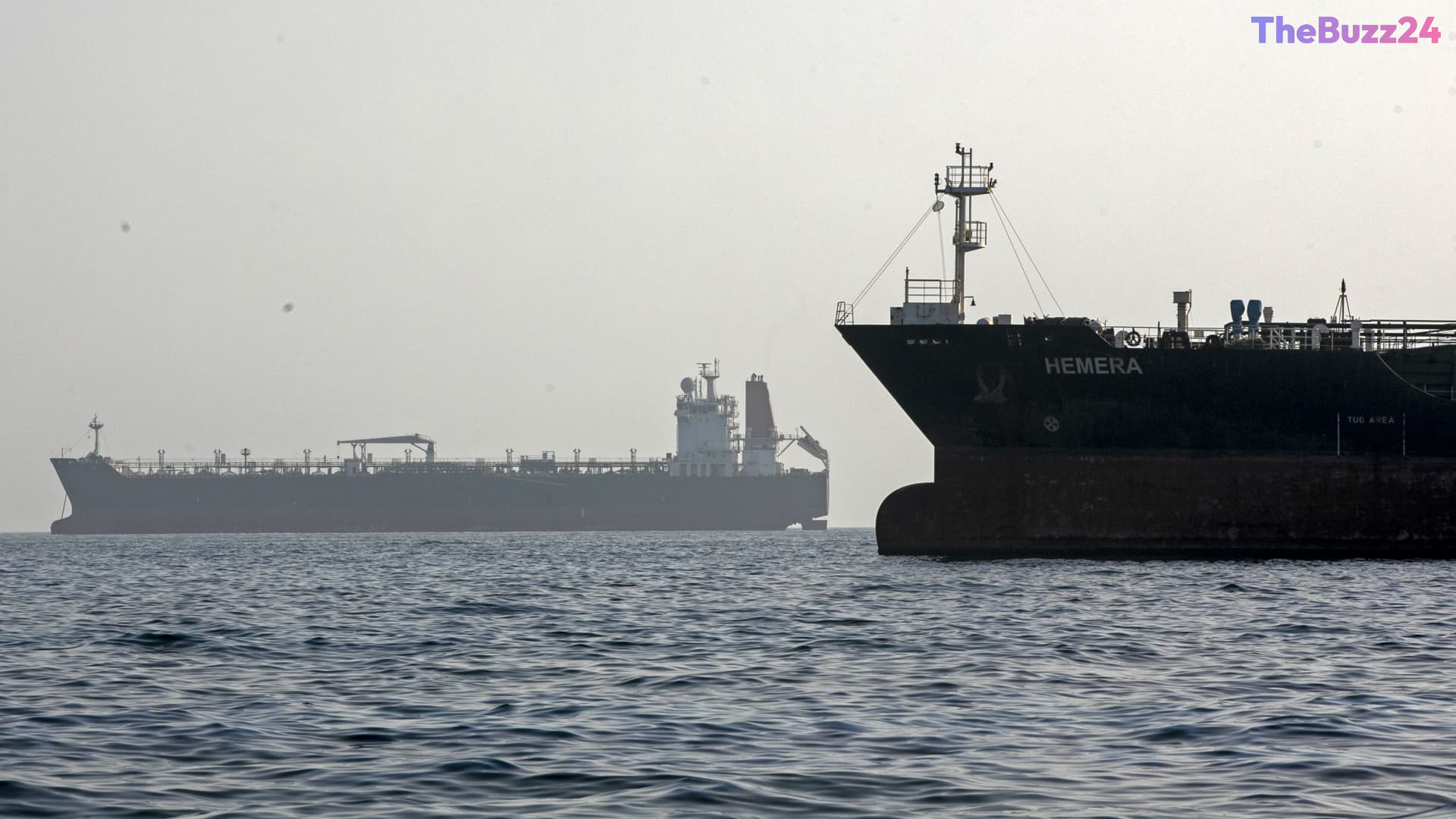
Diplomatic efforts between the United States and Iran have reached a pivotal stage, with mediators indicating that a 60-day ceasefire extension is now within reach. This proposed framework is designed to lay the groundwork for more extensive nuclear negotiations, aiming to de-escalate a prolonged standoff that has significantly impacted global energy markets and contributed to inflationary pressures worldwide. Key elements under discussion include the gradual reopening of the Strait of Hormuz, a crucial maritime route for international energy trade, and addressing Iran’s existing stockpile of enriched uranium.
The potential agreement also encompasses provisions for easing economic sanctions and the phased unfreezing of Iranian assets held abroad. President Donald Trump is currently reviewing the draft proposal with his advisors and is expected to consult with regional leaders before making a final decision. While Iran’s foreign ministry has signaled that a memorandum of understanding is being finalized to conclude the initial phase of hostilities, officials on both sides remain cautious, acknowledging that substantial hurdles persist, particularly concerning the scope of nuclear disarmament.
Central to the negotiations is the United States’ demand that Iran surrender its enriched uranium and permanently dismantle key nuclear facilities, including those located at Natanz, Fordow, and Isfahan. Despite these stringent requirements, the current atmosphere of dialogue represents a significant shift from the active military engagements that have characterized the region since last June. Gulf nations, including Saudi Arabia, Qatar, and the UAE, have actively voiced their support for a diplomatic resolution, citing pressing concerns over regional security and the stability of global energy supplies.
While the prospect of a ceasefire offers a glimmer of hope for a more stable future, both parties recognize that deep-seated distrust remains a formidable obstacle. Iranian leadership has consistently emphasized its commitment to what it defines as its legitimate rights, even as it participates in the ongoing diplomatic process. As the U.S. refrains from further military action to allow these critical discussions to proceed, the international community closely watches whether this framework can successfully transition from a temporary pause in fighting to a durable, long-term diplomatic solution.
Key Takeaways
- The United States and Iran are nearing a 60-day ceasefire agreement, intended to pave the way for broader nuclear negotiations.
- The proposed framework includes reopening the Strait of Hormuz, addressing Iran's enriched uranium, easing sanctions, and unfreezing Iranian assets.
- Significant challenges remain, including U.S. demands for nuclear disarmament and the persistent mutual distrust between the two nations.
Editor’s Analysis & Impact
This potential ceasefire between the U.S. and Iran, if successful, could significantly impact global energy markets by stabilizing the Strait of Hormuz and potentially easing inflationary pressures. The unfreezing of Iranian assets and the lifting of sanctions could provide a much-needed boost to Iran’s economy, with broader implications for regional trade dynamics. The future outlook remains fragile, heavily dependent on overcoming deep-seated distrust and Iran’s willingness to meet stringent nuclear disarmament demands. A successful resolution could set a precedent for de-escalating other complex international conflicts, while a failure could quickly reignite tensions and instability. The involvement of President Trump and the vocal support from Gulf nations underscore the high stakes and the broad geopolitical implications of these ongoing discussions.
Frequently Asked Questions
Q: What is the primary goal of the proposed 60-day ceasefire between the U.S. and Iran?
A: The primary goal is to de-escalate the ongoing conflict and establish a foundation for broader, long-term nuclear negotiations, aiming to stabilize global energy markets and address inflationary pressures.
Q: What are the main demands from the U.S. side regarding Iran's nuclear program?
A: The U.S. is demanding that Iran surrender its enriched uranium and permanently dismantle key nuclear facilities, specifically mentioning those at Natanz, Fordow, and Isfahan.
Q: How would this agreement potentially impact global energy markets?
A: The agreement includes provisions for the gradual reopening of the Strait of Hormuz, a vital maritime artery for international energy trade, which could lead to greater stability and potentially lower prices in global energy markets.
AI Disclosure: This article is based on verified data and official reports. Our Team and AI have cross-referenced every financial detail with primary sources to ensure total accuracy.
More from this Category