Economic Strain Forces Americans to Rethink Holiday Traditions
As the unofficial start of the summer season approaches, American households are facing a difficult economic landscape defined by a 3.8% annual inflation rate—the highest level recorded since 2023. This sustained increase in the cost of living is compelling families to reconsider their traditional holiday plans, as the financial resources required to sustain standard seasonal activities have risen sharply. Consequently, many households are prioritizing essential financial stability over discretionary spending, leading to a noticeable shift in consumer behavior.
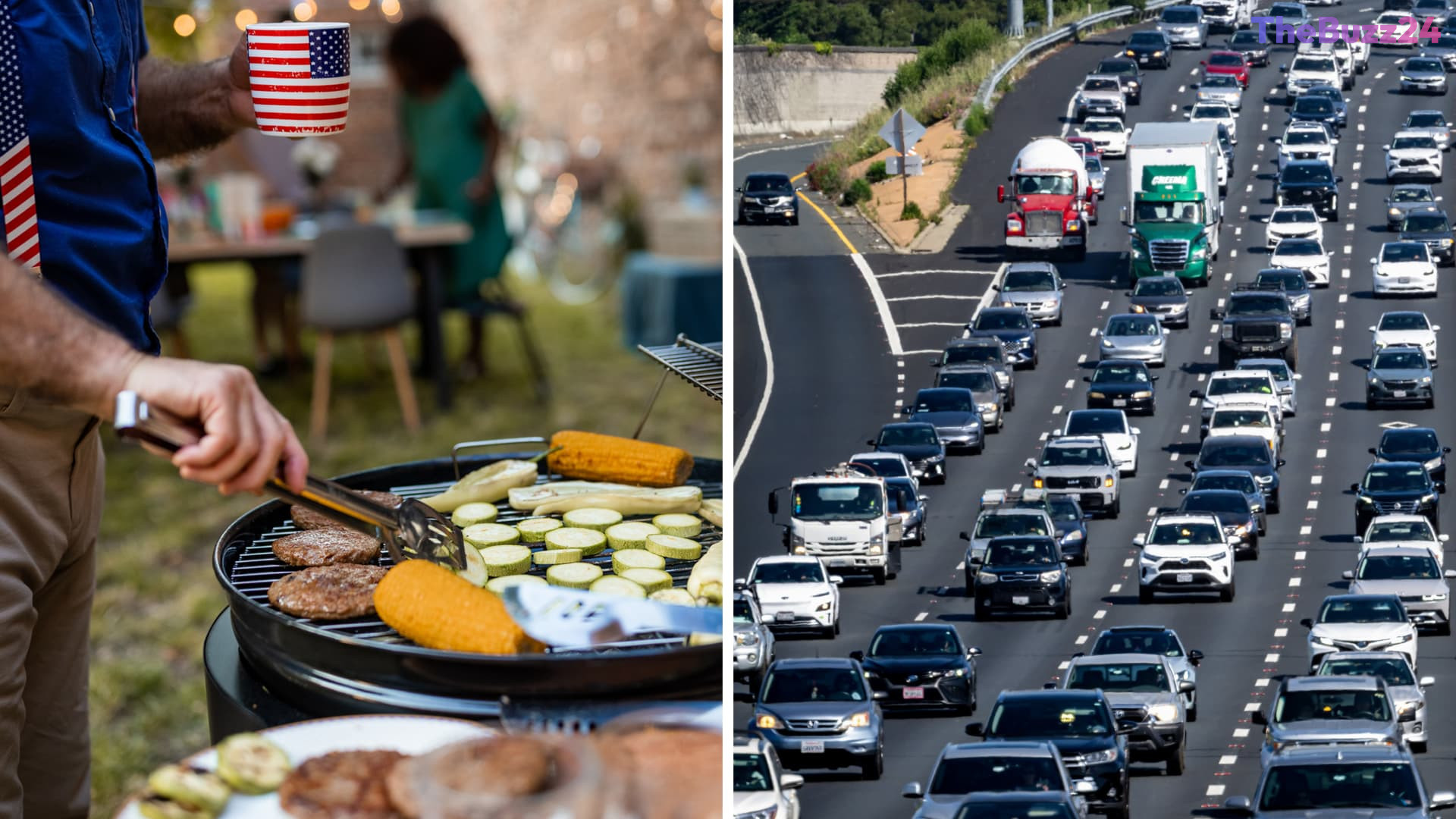
The impact of these economic headwinds is particularly visible in the grocery sector, where the cost of essential items for holiday gatherings has surged. Staples such as ground beef and steak have seen price increases of 16%, while frankfurters have risen by 11%. Pantry and produce costs have also experienced significant spikes, with coffee prices climbing 18% and tomatoes jumping by 40%. These retail shifts present a challenging environment for major corporations, including McDonald’s and E.l.f. Beauty, as they navigate the struggle to maintain consumer demand in the face of diminished purchasing power.
Travel plans are also undergoing a major transformation due to rising costs in the energy and transportation sectors. Gasoline prices have climbed more than 28% over the past year, while airfare has increased by over 20% due to volatility in global oil markets. With lodging expenses also seeing a 4.3% increase, many families are opting for local ‘staycations’ or shorter travel itineraries to avoid financial strain. This trend reflects a broader move toward budget-conscious decision-making across the entertainment and home improvement sectors as families adjust to the reality of a tighter economy.
Key Takeaways
- Annual inflation has hit 3.8%, marking the highest level of financial pressure on households since 2023.
- Significant price hikes in essential groceries, including meat and produce, are forcing families to adjust their holiday meal budgets.
- Surging fuel and airfare costs are driving a widespread shift toward shorter trips and local staycations instead of traditional long-distance travel.
Editor’s Analysis & Impact
The current inflationary environment represents a structural shift in consumer behavior that transcends seasonal trends. By impacting essential categories such as food and energy, inflation is no longer just a concern for luxury spending but a fundamental challenge to household financial health. For the broader economy, this suggests a cooling of discretionary spending, which poses a risk to retail and hospitality earnings in the coming quarters. Corporations are currently trapped in a margin squeeze, attempting to balance cost-passing with the risk of demand destruction. Looking forward, the persistence of these price levels will likely cement a long-term shift toward value-oriented consumption. Consumers are increasingly favoring localized, budget-conscious leisure activities, a trend that will likely force businesses to pivot their strategies toward affordability to remain competitive in a constrained market.
Frequently Asked Questions
Q: What is the primary driver behind the recent surge in grocery prices?
A: Grocery prices are being pushed upward by a combination of supply chain constraints, higher transportation costs due to fuel prices, and broader inflationary pressures affecting raw material and production costs.
Q: How are travelers adapting to the rising costs of airfare and gasoline?
A: Many Americans are choosing to scale back their travel plans by opting for shorter trips, choosing local 'staycations' instead of long-distance vacations, or modifying their itineraries to mitigate the impact of high fuel and lodging expenses.
AI Disclosure: This article is based on verified data and official reports. Our Team and AI have cross-referenced every financial detail with primary sources to ensure total accuracy.
More from this Category