Southern California Residents Displaced as Chemical Tank Explosion Risk Persists
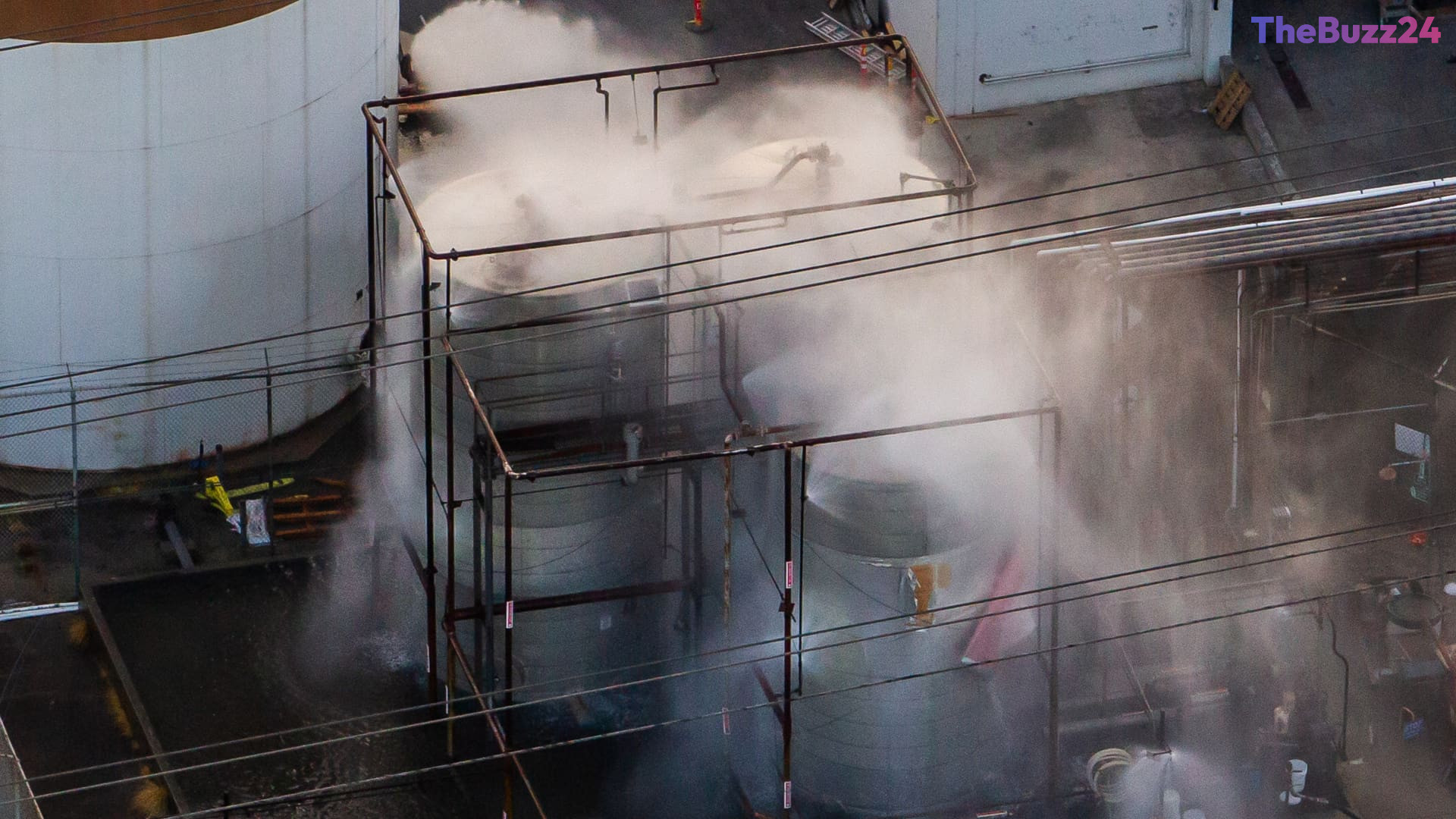
A critical situation is unfolding in Garden Grove, California, where approximately 50,000 residents remain under mandatory evacuation orders due to a compromised chemical tank. The facility, managed by GKN Aerospace, contains a significant volume of methyl methacrylate, a volatile chemical utilized in manufacturing plastic components for the aerospace industry. Emergency responders are currently battling to stabilize the tank after its pressure relief valves failed, causing a hazardous accumulation of heat and gas that poses a severe risk of explosion.
Firefighting teams are maintaining a constant cooling operation on the exterior of the vessel in an attempt to lower internal temperatures. Despite these efforts, drone surveillance indicates that the tank remains dangerously hot, keeping the threat of a catastrophic breach active. Authorities have cautioned that a failure could result in a powerful blast and the release of toxic vapors, which could pose immediate respiratory and neurological health risks to the surrounding population.
In response to the escalating crisis, Governor Gavin Newsom has declared a state of emergency for Orange County to expedite the flow of state resources and support for displaced families. Legal action has already begun, with local residents filing a class-action lawsuit against GKN Aerospace regarding the disruption and potential long-term impacts on the community. While the company has expressed regret and is working with hazardous materials specialists, officials have yet to provide a timeline for when residents will be allowed to return to their homes.
Key Takeaways
- 50,000 residents remain evacuated in Garden Grove due to a volatile chemical tank at a GKN Aerospace facility.
- Failed pressure relief valves have caused dangerous heat buildup, creating a persistent risk of a catastrophic explosion.
- A state of emergency has been declared, and a class-action lawsuit has been filed against the facility operator as cooling efforts continue.
Editor’s Analysis & Impact
The Garden Grove incident highlights the significant risks associated with industrial facilities located in densely populated urban areas. From a market perspective, this event underscores the growing scrutiny on corporate safety protocols and the potential for massive liability when industrial accidents threaten public safety. GKN Aerospace faces not only immediate operational challenges and remediation costs but also significant reputational damage and legal exposure that could influence future regulatory oversight for similar chemical storage facilities. The incident serves as a stark reminder of the fragility of supply chain infrastructure when it intersects with residential safety. Moving forward, we expect to see increased pressure on local governments to re-evaluate zoning laws for hazardous material storage and a push for more robust, automated safety systems in industrial manufacturing plants to prevent similar crises.
Frequently Asked Questions
Q: Why were residents evacuated in Garden Grove?
A: Residents were evacuated because a chemical tank containing methyl methacrylate at a GKN Aerospace facility experienced a failure in its pressure relief valves, creating a high risk of explosion.
Q: Is the air quality currently dangerous for the public?
A: While air quality is being monitored continuously and currently remains within normal limits, authorities have kept the evacuation orders in place due to the ongoing risk of a potential chemical release.
AI Disclosure: This article is based on verified data and official reports. Our Team and AI have cross-referenced every financial detail with primary sources to ensure total accuracy.
More from this Category