Oil Prices Retreat Amid Hopes for Diplomatic Breakthrough in Persian Gulf
Global oil markets saw a sharp correction on Monday, with Brent crude prices falling by 5.5% to $97.90 per barrel. This downward shift follows growing optimism surrounding potential diplomatic negotiations between the United States and Iran. U.S. Secretary of State Marco Rubio confirmed that a substantial framework for a peace agreement is currently under review, signaling a possible end to the tensions that have disrupted international energy supplies for months.
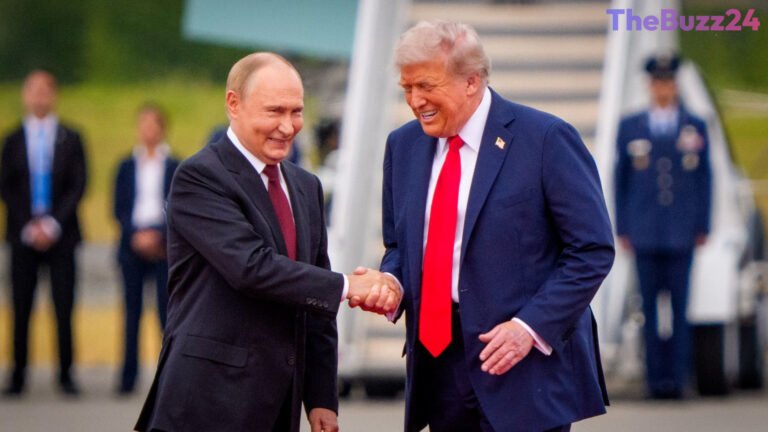
President Donald Trump has expressed cautious optimism regarding the progress of these talks, emphasizing the administration’s goal of achieving a comprehensive resolution. However, officials in Tehran have tempered expectations, noting that while significant headway has been made on key issues, a final agreement has not yet been reached. The core of the negotiations centers on the reopening of the Strait of Hormuz, a vital maritime corridor that has been effectively shuttered since late February. This chokepoint is responsible for transporting approximately 20% of the world’s oil and liquefied natural gas.
Despite the immediate market relief, industry experts warn that the transition back to normal operations will be a slow and complex process. Even with a signed deal, the maritime sector faces significant logistical challenges, including the removal of potential sea mines and the restoration of damaged infrastructure. Analysts project that global energy markets will remain constrained through 2027, as shipping companies wait for ironclad guarantees of long-term stability before fully resuming transit through the region.
Key Takeaways
- Brent crude prices dropped 5.5% as markets reacted to potential diplomatic progress between the U.S. and Iran.
- The reopening of the Strait of Hormuz is the primary focus of negotiations, as it remains a critical artery for global energy transit.
- Experts warn that even with a peace deal, energy supply chains will face logistical hurdles and tight markets through 2027.
Editor’s Analysis & Impact
The potential resolution of the standoff in the Strait of Hormuz represents a significant de-escalation in global geopolitical risk. For months, the closure of this maritime chokepoint has acted as a primary inflationary driver for energy costs, impacting everything from manufacturing to consumer transportation. While the market’s immediate reaction is bullish, the long-term outlook remains tempered by the reality of physical infrastructure damage and the time required to clear maritime hazards. Investors should anticipate continued volatility; while the ‘war premium’ on oil prices is beginning to dissipate, the structural supply constraints in the energy sector will likely persist for several years. The focus now shifts from diplomatic rhetoric to the tangible logistics of reopening one of the world’s most sensitive trade routes.
Frequently Asked Questions
Q: Why is the Strait of Hormuz so important to global oil prices?
A: The Strait of Hormuz is a critical maritime chokepoint that handles approximately one-fifth of the world's total oil and liquefied natural gas supply, making it essential for global energy stability.
Q: Will oil prices return to pre-conflict levels immediately if a deal is signed?
A: Unlikely. Experts suggest that even with a diplomatic breakthrough, logistical challenges such as clearing sea mines and repairing infrastructure mean that energy markets will remain tight and potentially volatile through 2027.
AI Disclosure: This article is based on verified data and official reports. Our Team and AI have cross-referenced every financial detail with primary sources to ensure total accuracy.
More from this Category