Navigating the Brink: The Precarious State of US-Iran Diplomatic Relations
The geopolitical standoff between the United States and Iran remains locked in a volatile state of uncertainty. Despite a fragile ceasefire that has managed to hold for over seven weeks, the region continues to experience sporadic military friction. While back-channel diplomatic efforts are reportedly underway to extend the current de-escalation period by 60 days, both nations are struggling to reconcile internal political pressures with their long-term strategic objectives.
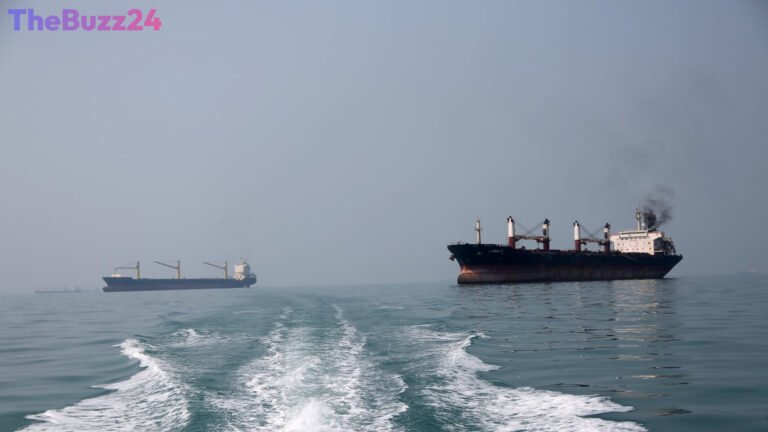
Recent weeks have been defined by a series of calculated military maneuvers. The United States has conducted targeted strikes on ground control infrastructure, while the Islamic Revolutionary Guard Corps has engaged in retaliatory actions, including the interception of missiles and drones near the Strait of Hormuz. Despite these escalations, observers note that both Washington and Tehran appear to be avoiding a full-scale war, focusing instead on maritime security and the enforcement of economic sanctions, such as those recently placed by the US Treasury on entities managing Gulf shipping routes.
Diplomatic negotiations remain stalled by fundamental disagreements. Tehran continues to push for the lifting of naval blockades and the withdrawal of American military assets, while Washington maintains its demand for significant concessions regarding Iran’s nuclear program. President Donald Trump has publicly voiced frustration with the slow progress of these talks, warning that the window for a peaceful resolution is narrowing. With domestic hardliners in both countries exerting influence against compromise, the lack of a formal, comprehensive agreement leaves the Gulf region in a state of persistent, high-stakes tension.
Key Takeaways
- A fragile seven-week ceasefire between the US and Iran is currently holding despite ongoing regional military skirmishes.
- Diplomatic progress is hindered by conflicting demands, with Iran seeking the removal of blockades and the US prioritizing nuclear policy concessions.
- Both administrations face significant internal pressure from hardliners, complicating the path toward a formal, long-term peace agreement.
Editor’s Analysis & Impact
The current US-Iran dynamic represents a classic ‘managed conflict’ scenario, where both sides utilize limited military posturing to gain leverage without triggering a total regional collapse. The market impact of this instability is primarily felt in global energy sectors, as the Strait of Hormuz remains a critical chokepoint for oil transit. Future outlooks remain dim for a comprehensive ‘grand bargain’ given the deep-seated institutional mistrust and the upcoming political cycles in both nations. Investors and regional stakeholders should expect continued volatility in shipping insurance premiums and energy prices. The broader implication is a shift toward a ‘new normal’ of low-intensity, persistent friction, where the risk of accidental escalation remains the primary threat to global economic stability.
Frequently Asked Questions
Q: Why is the Strait of Hormuz significant in this conflict?
A: The Strait of Hormuz is a vital maritime chokepoint for global oil supplies; military activity there directly impacts international energy markets and regional security.
Q: What are the primary obstacles to a formal peace deal?
A: The main obstacles include Iran's demand for the removal of naval blockades and US forces, contrasted with Washington's insistence on strict nuclear policy concessions.
AI Disclosure: This article is based on verified data and official reports. Our Team and AI have cross-referenced every financial detail with primary sources to ensure total accuracy.
More from this Category