Waymo Unveils Purpose-Built Zeekr Robotaxi to Scale Autonomous Fleet
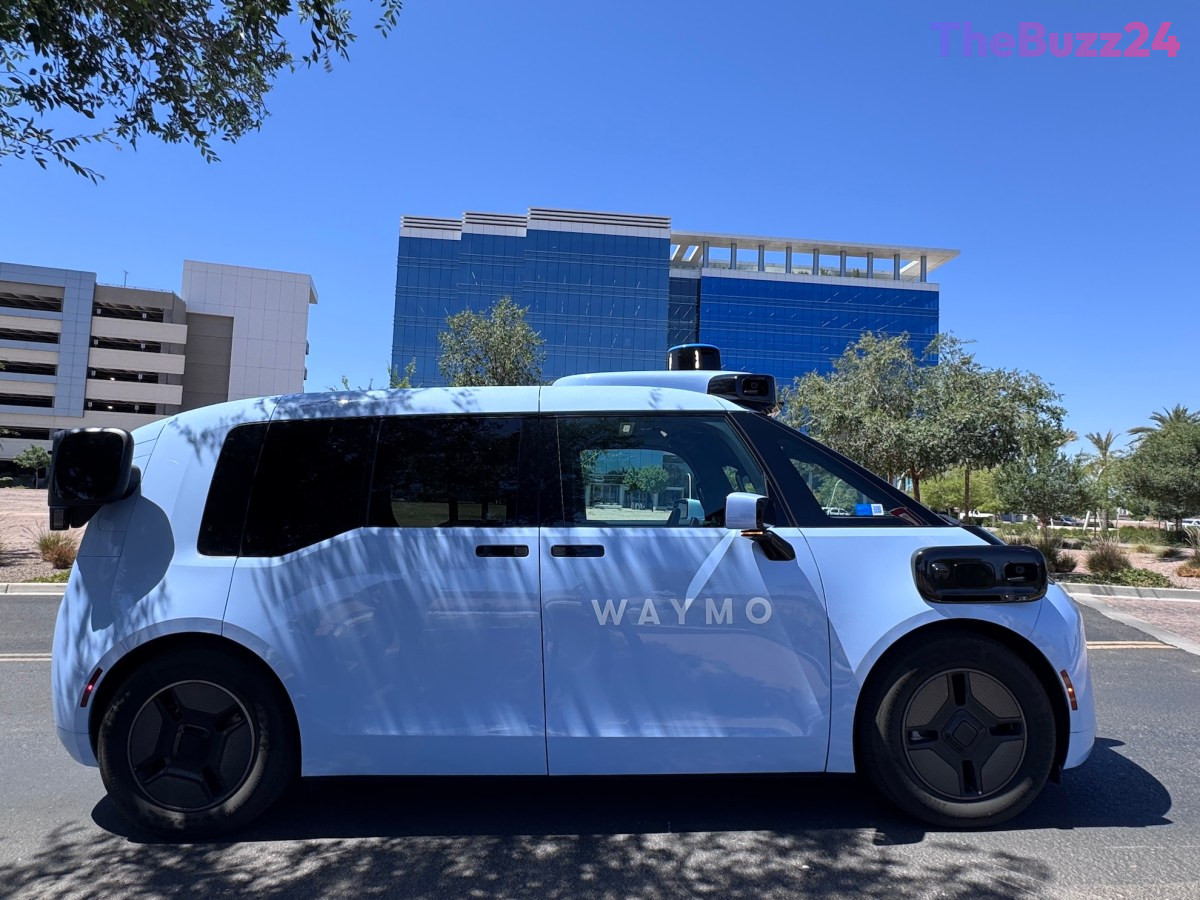
Waymo has officially launched its latest autonomous vehicle, a purpose-built, all-electric minivan designed specifically for ride-hailing operations. Currently being introduced to select passengers in Los Angeles, Phoenix, and San Francisco, the vehicle—internally referred to as the Ojai—represents a major step forward in the company’s efforts to scale its driverless fleet while optimizing operational efficiency. The company is currently providing a limited number of complimentary rides to gather real-world data and refine performance metrics ahead of a wider public rollout.
The vehicle is the product of a strategic collaboration with Zeekr, a subsidiary of Geely Holdings. While the underlying structure utilizes the SEA-M architecture, the vehicle undergoes extensive modifications at Waymo’s Arizona facility. Each unit is equipped with the company’s sixth-generation autonomous hardware suite, which includes a modular array of 13 cameras, four lidar sensors, and six radar units. This modular approach is designed to allow Waymo to integrate its proprietary self-driving technology across various vehicle platforms, including the upcoming Hyundai Ioniq 5.
Engineered for the rigors of high-frequency commercial use, the Ojai features a flat floor, low step-in height, and sliding doors to enhance accessibility for all passengers. The interior cabin focuses on durability and comfort, featuring easy-to-clean materials, expanded legroom, and interactive screens that allow riders to control their environment, including climate and entertainment settings. These design elements are intended to reduce maintenance downtime and improve the overall passenger experience.
This deployment comes as Waymo continues to refine its operational strategies, including addressing navigation challenges in complex environments like construction zones and adverse weather. By transitioning from its current fleet of Jaguar I-Pace vehicles to this specialized hardware, Waymo aims to significantly boost its production capacity and strengthen its competitive standing in the autonomous transport sector.
Key Takeaways
- Waymo has introduced a purpose-built, all-electric robotaxi developed in partnership with Zeekr to replace its current fleet.
- The vehicle features a modular sixth-generation autonomous sensor suite designed for integration across multiple vehicle platforms.
- The Ojai is specifically optimized for high-frequency ride-hailing with accessibility features like low step-in heights and sliding doors.
Editor’s Analysis & Impact
The introduction of the Ojai marks a pivotal shift for Waymo from retrofitting consumer vehicles to deploying purpose-built hardware. By controlling the vehicle design, Waymo can better manage the total cost of ownership and maintenance, which are critical hurdles for the profitability of autonomous ride-hailing services. The modularity of the sixth-generation sensor suite is particularly significant; it allows the company to diversify its fleet beyond a single manufacturer, mitigating supply chain risks and allowing for faster scaling. As the autonomous industry moves past the ‘proof of concept’ phase, the ability to produce durable, accessible, and easily maintainable vehicles will be the primary differentiator between market leaders and those that fail to achieve the necessary economies of scale.
Frequently Asked Questions
Q: What makes the Ojai different from Waymo's previous vehicles?
A: Unlike previous vehicles that were retrofitted with autonomous technology, the Ojai is a purpose-built minivan designed from the ground up for ride-hailing, featuring a flat floor, sliding doors, and a modular sensor suite.
Q: Will Waymo continue to use its existing fleet of Jaguar I-Pace vehicles?
A: The company is transitioning toward the new specialized hardware, but the Ojai is intended to eventually replace the current fleet to increase production capacity and operational efficiency.
AI Disclosure: This article is based on verified data and official reports. Our Team and AI have cross-referenced every financial detail with primary sources to ensure total accuracy.
More from this Category