Tech Giants Face Credit Market Scrutiny as AI Spending Intensifies
Investors are closely monitoring the credit markets this week as major technology firms prepare to release quarterly earnings. Recent volatility surrounding artificial intelligence-related debt has shown signs of stabilizing, particularly after Meta Platforms opted for an equity offering rather than a new bond deal, which helped soothe concerns regarding corporate leverage. As Alphabet, Amazon, and Microsoft prepare to report their financial results, the primary focus for credit analysts remains the trajectory of capital expenditure (capex) and the potential for future debt issuance.
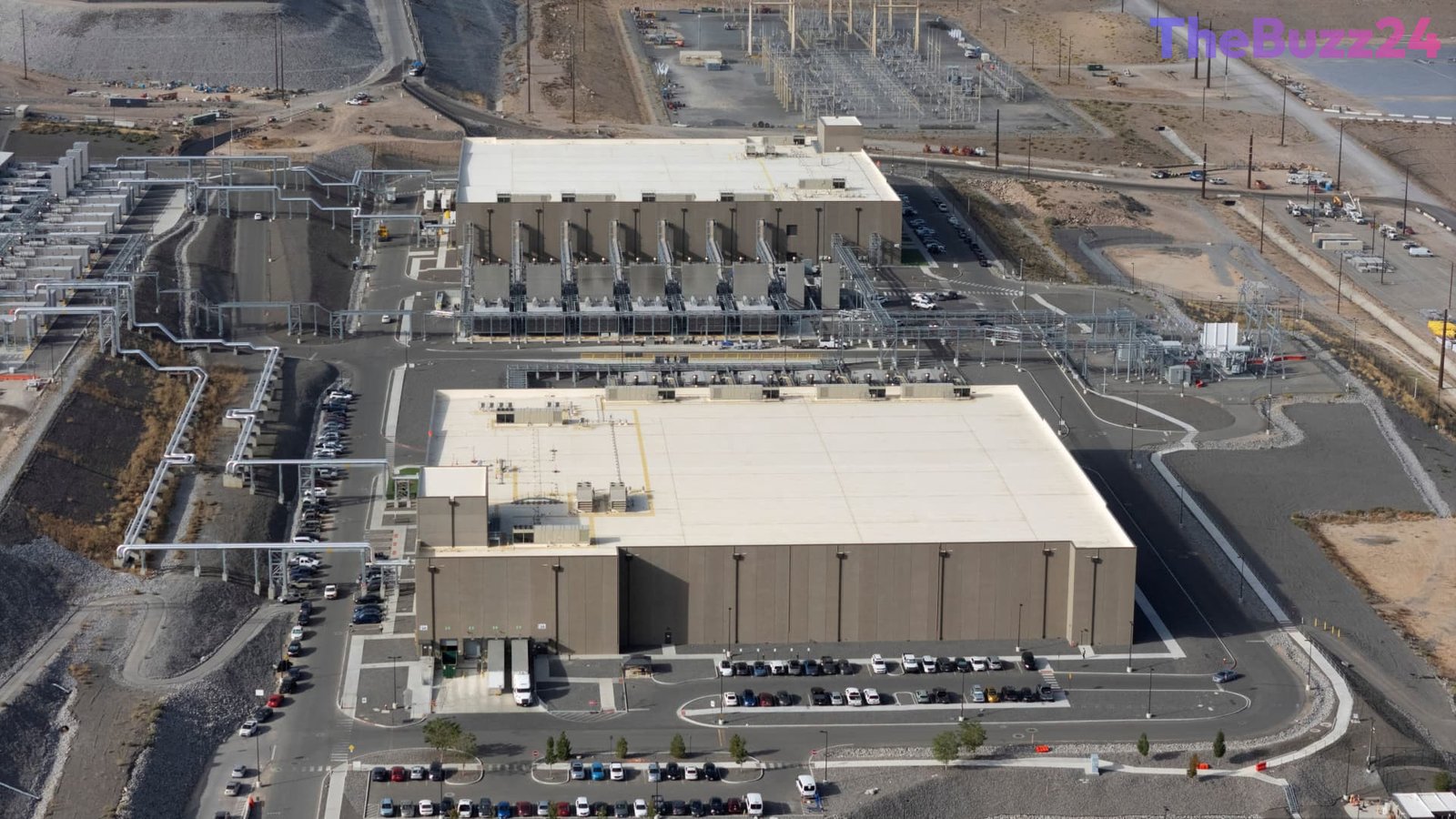
While fears of an AI-driven debt crisis have cooled, credit spreads—the yield difference between corporate bonds and Treasurys—remain wider than they were a year ago. Analysts suggest that current market movements are driven more by technical sentiment than by fundamental weaknesses in the companies’ balance sheets. Despite negative free cash flow trends in the sector, major hyperscalers maintain strong credit profiles supported by diversified revenue streams and robust liquidity. However, the market remains cautious about the sheer volume of capital required to sustain AI infrastructure.
Beyond traditional balance sheet reporting, experts are increasingly looking at off-balance sheet obligations, such as data center leases and long-term chip procurement commitments. These arrangements, which are not always classified as traditional debt, are becoming a focal point for credit rating agencies seeking to provide a more transparent view of corporate liabilities. Oracle, in particular, is under the microscope as it manages a significant debt load while maintaining a BBB- investment-grade rating, making it a critical bellwether for how the market perceives tech-sector credit risk moving forward.
Key Takeaways
- Credit markets are stabilizing as investors realize that fears regarding AI-related debt may have been overblown.
- The primary concern for investors is the ongoing trajectory of capital expenditure guidance from hyperscalers like Amazon and Alphabet.
- Analysts are increasingly scrutinizing off-balance sheet commitments, such as data center leases, to better understand the true debt obligations of tech giants.
Editor’s Analysis & Impact
The current tension in the tech credit market reflects a broader transition phase for the industry. As companies shift from experimental AI investment to large-scale infrastructure deployment, the capital intensity of these projects is testing the limits of traditional corporate finance. While the largest hyperscalers possess the balance sheet strength to absorb these costs, the market is rightfully wary of the ‘capex arms race.’ The future outlook depends on whether these massive investments translate into tangible, high-margin revenue growth. If AI monetization lags, we may see further widening of credit spreads and a more selective approach from bond investors. Conversely, if these companies demonstrate that their infrastructure spending is a prerequisite for long-term dominance, the current credit volatility will likely be viewed as a temporary adjustment rather than a systemic risk.
Frequently Asked Questions
Q: Why are investors concerned about AI debt?
A: Investors are worried that the massive capital expenditures required for AI infrastructure, combined with negative free cash flow, could lead to excessive corporate debt issuance and increased credit risk.
Q: What are off-balance sheet arrangements in the context of AI?
A: These are financial commitments, such as long-term data center leases or chip purchase agreements, that do not always appear as traditional debt on a company's balance sheet but still represent significant future financial obligations.
AI Disclosure: This article is based on verified data and official reports. Our Team and AI have cross-referenced every financial detail with primary sources to ensure total accuracy.
More from this Category