US Signals Potential for Increased Russian Diesel Exports Under Incentive Strategy
The United States may permit additional Russian diesel shipments into global markets depending on Moscow’s conduct, according to U.S. Energy Secretary Chris Wright. The administration has framed the recent temporary suspension of sanctions on Russian fuel exports as diplomatic leverage intended to encourage Russia to end the ongoing war in Ukraine. While officials note that the measure could provide marginal relief to global supply constraints, further allowances remain contingent on geopolitical developments and Kremlin actions.
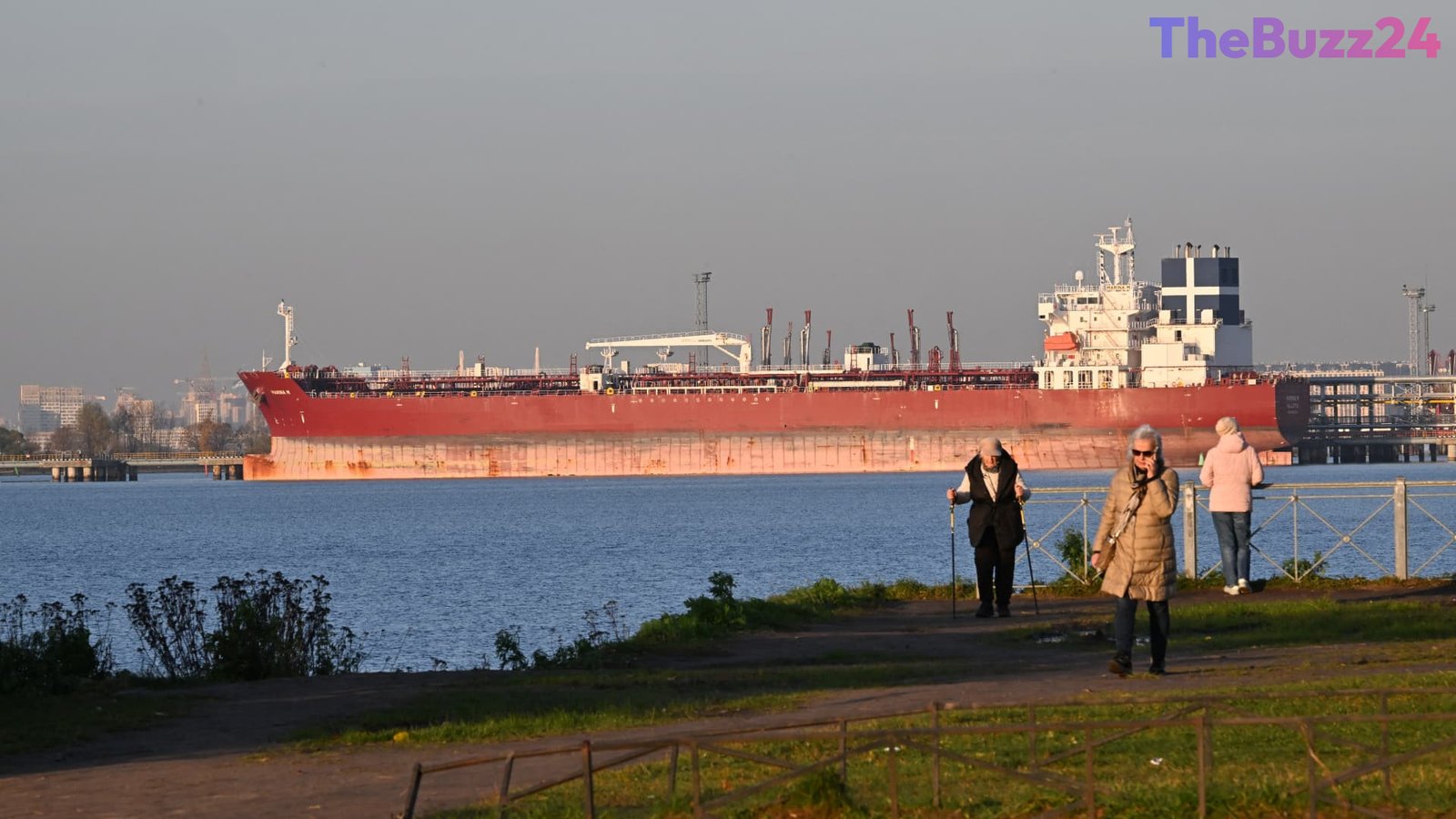
Under an agreement reached between President Donald Trump and President Vladimir Putin, Russia was authorized to export 800,000 metric tons of diesel during October and November, with a subsequent tranche of one million tons expected to follow. Vessel monitoring indicates that tankers carrying Russian fuel are already en route toward the U.S. East Coast. The accord comes amidst political pressure on the administration to curb rising domestic energy costs ahead of upcoming U.S. midterm elections, following price spikes linked to military conflicts involving the U.S., Israel, and Iran.
Despite the administration’s intentions, energy analysts emphasize that the permitted export volumes—ranging between 75,000 and 124,000 barrels per day—represent only a small fraction of the world’s total daily diesel demand of approximately 28 million barrels. Consequently, the agreement is unlikely to lead to a substantial decrease in retail fuel prices.
The initiative has faced intense criticism both domestically and internationally. Ukrainian President Volodymyr Zelenskyy sharply denounced the deal, noting that Ukrainian military strikes on Russian refineries had successfully disrupted Moscow’s energy revenues and previously forced a domestic fuel export ban. Furthermore, a bipartisan group of U.S. senators voiced strong opposition to easing sanctions, characterizing the arrangement as a setback for international allies and an unnecessary concession to Moscow.
Key Takeaways
- The U.S. administration is utilizing temporary sanctions waivers on Russian diesel as an incentive for Moscow to end its war in Ukraine.
- A deal between President Trump and President Putin authorizes up to 1.8 million metric tons of Russian diesel exports to help ease domestic fuel prices.
- Industry analysts report that the small export volumes will likely have minimal impact on global diesel prices, while bipartisan lawmakers and Ukraine strongly oppose the move.
Editor’s Analysis & Impact
The administration’s strategic pivot to permit Russian diesel shipments reflects a high-stakes balancing act between domestic price relief and foreign policy objectives. With elevated fuel prices creating political vulnerability ahead of midterm elections, policymakers are turning to emergency measures to bolster supply. However, given that the authorized Russian shipments account for less than one percent of global daily consumption, the tangible effect on consumer prices will likely be negligible. Politically, the strategy carries substantial risk: easing sanctions threatens to erode coalition unity against Russian aggression and frustrates allies like Ukraine, whose defense strategy relies heavily on curtailing Kremlin energy revenues. Going forward, energy markets should expect continued policy uncertainty as sanctions enforcement remains tightly bound to immediate political and diplomatic tactics rather than long-term energy planning.
Frequently Asked Questions
Q: Why is the U.S. allowing Russian diesel back into the market?
A: The administration is using temporary sanctions relief as diplomatic leverage to encourage Russia to negotiate an end to the war in Ukraine, while also attempting to stabilize domestic fuel supplies.
Q: Will these shipments lower consumer diesel prices significantly?
A: Market analysts indicate the price impact will be minimal because the allowed volumes are extremely small compared to global daily diesel demand.
Q: Who is opposing the Russian diesel agreement?
A: The deal has drawn strong criticism from Ukrainian President Volodymyr Zelenskyy as well as a bipartisan group of U.S. senators who argue that relaxing energy sanctions undermines efforts to pressure Moscow.
AI Disclosure: This article is based on verified data and official reports. Our Team and AI have cross-referenced every financial detail with primary sources to ensure total accuracy.
More from this Category