Hezbollah Deploys Advanced Fibre-Optic Drone Tactics Along Northern Border
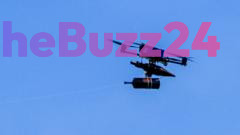
Hezbollah has shifted its tactical approach in the ongoing conflict with Israel by increasingly utilizing fibre-optic, first-person view (FPV) drones. These explosive-laden devices represent a significant evolution in border warfare, as the physical wire connection allows operators to bypass traditional radio-frequency jamming measures. By maintaining a constant, high-definition visual feed, these drones can strike targets with surgical precision, posing a severe challenge to existing defensive infrastructure.
The adoption of this technology mirrors battlefield developments observed in Ukraine, where low-cost, high-impact drone systems have fundamentally altered combat dynamics. For residents in northern Israeli border communities, the threat is particularly acute; unlike traditional rocket fire that triggers early warning sirens, these drones often strike with little to no notice, leaving civilians with almost no time to reach safety. Security data suggests these systems have become a primary cause of casualties among personnel in the region.
In response, the Israel Defense Forces are scrambling to adapt, moving beyond standard interception methods. Current defensive strategies include the installation of physical netting to entangle incoming drones and the integration of advanced electro-optical sensors designed to detect low-flying, non-radio-emitting threats. While military officials continue to refine these countermeasures, the situation remains a high-stakes technological race, with political leaders debating whether to escalate preemptive strikes against the infrastructure and operator networks supporting these drone units in Lebanon.
Key Takeaways
- Hezbollah is utilizing fibre-optic FPV drones that are immune to traditional radio-frequency jamming.
- The drones provide little to no warning time for civilians, as they do not trigger standard rocket alert sirens.
- The Israel Defense Forces are testing new countermeasures, including physical netting and advanced electro-optical sensors, to mitigate the threat.
Editor’s Analysis & Impact
The integration of fibre-optic drone technology by non-state actors marks a critical inflection point in modern asymmetric warfare. By removing the reliance on radio frequencies, Hezbollah has effectively neutralized the primary defensive advantage of electronic warfare suites, forcing militaries to revert to kinetic or optical-based interception methods. This shift highlights a broader trend where inexpensive, mass-produced technology can force a technologically superior power to invest heavily in defensive infrastructure that is often less cost-effective than the threat itself. Looking ahead, the proliferation of ‘hard-wired’ drone guidance systems will likely necessitate a rapid evolution in automated air defense, potentially leading to the widespread deployment of AI-driven optical tracking systems. The psychological impact of these ‘silent’ strikes, combined with the tactical difficulty of detection, ensures that drone defense will remain a top priority for defense ministries globally for the foreseeable future.
Frequently Asked Questions
Q: Why are fibre-optic drones harder to stop than standard drones?
A: Standard drones rely on radio signals to receive commands, which can be jammed or spoofed. Fibre-optic drones use a physical wire for data transmission, making them immune to electronic jamming.
Q: What defensive measures are currently being used against these drones?
A: Defensive efforts include the use of physical netting to entangle the drones, as well as the development of advanced electro-optical sensors and automated firing systems to detect and neutralize them.
AI Disclosure: This article is based on verified data and official reports. Our Team and AI have cross-referenced every financial detail with primary sources to ensure total accuracy.
More from this Category