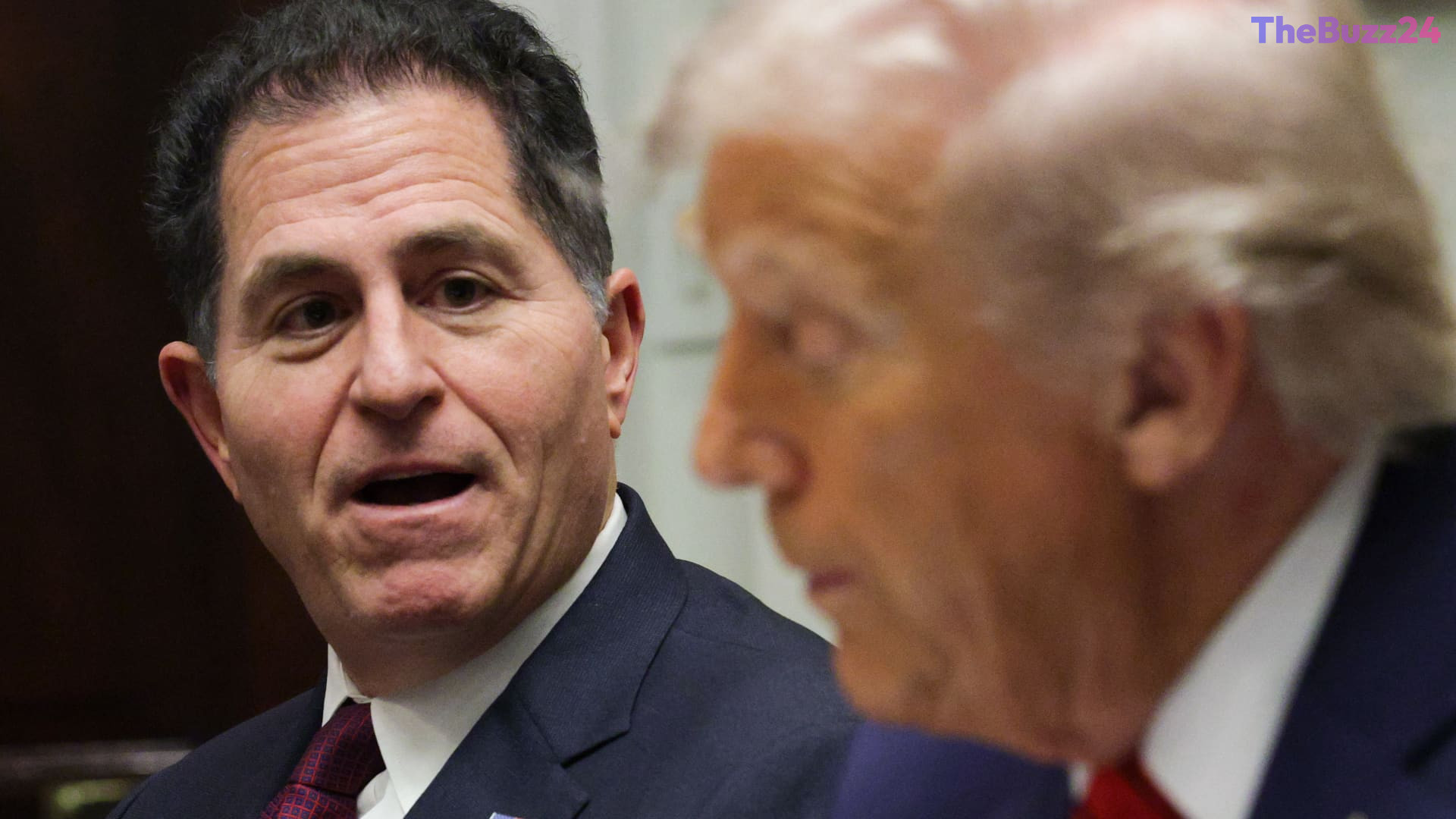
Dell Technologies Lands $9.7 Billion Pentagon Deal Amid Scrutiny Over Political Ties
Dell Technologies has officially secured a landmark $9.7 billion contract with the Pentagon, tasked with delivering advanced software solutions to the U.S. military. This massive procurement win represents a significant expansion for the company’s federal division and reinforces its status as a critical infrastructure partner for the Department of Defense. However, the announcement has arrived alongside heightened public discourse regarding the company’s leadership and its evolving relationship with the current administration.
Questions have emerged from government oversight experts concerning the intersection of corporate philanthropy and federal contracting. CEO Michael Dell and his wife, Susan Dell, have recently participated in high-profile initiatives tied directly to the executive branch, including a notable $6.25 billion contribution to the ‘Trump Accounts’ program. Unlike traditional philanthropic efforts that typically operate through independent foundations, this direct alignment with a presidential initiative has prompted analysts to examine whether such large-scale private contributions influence the landscape of federal procurement.
From a financial perspective, Dell Technologies is currently experiencing a period of historic momentum. The company’s stock has nearly tripled in value over the last year, fueled by an 88% surge in quarterly revenue driven by the global demand for AI-optimized server hardware. With a market valuation now surpassing $200 billion, the company remains a dominant force in the technology sector. While the administration defends its support of the Dells as a recognition of their patriotic contributions, critics continue to call for greater transparency to ensure that the procurement process remains insulated from political influence.
Key Takeaways
- Dell Technologies has been awarded a $9.7 billion software contract by the U.S. Pentagon.
- The contract award follows a $6.25 billion contribution by Michael and Susan Dell to a presidential initiative, sparking debate over potential conflicts of interest.
- Dell Technologies has seen its stock value nearly triple in the last year, largely due to the massive demand for AI-optimized hardware.
Editor’s Analysis & Impact
The $9.7 billion Pentagon contract highlights the increasingly blurred lines between major technology corporations and the federal government. As Dell Technologies cements its role as a primary supplier for military software, the company’s financial success—driven by the AI hardware boom—is becoming inextricably linked to its political positioning. The shift toward direct corporate-to-executive philanthropy represents a departure from traditional lobbying and donation norms, creating a new paradigm for how tech giants interact with the White House. Moving forward, the company will likely face continued scrutiny from oversight bodies regarding the impartiality of federal bidding processes. Investors should monitor whether this political alignment provides a long-term competitive moat or if it invites regulatory headwinds that could complicate future government partnerships.
Frequently Asked Questions
Q: What is the primary purpose of the new $9.7 billion contract?
A: The contract is intended to provide software solutions to the U.S. military, managed through Dell Technologies' federal division.
Q: Why are critics concerned about the relationship between Dell and the White House?
A: Critics are concerned that the direct, high-profile financial contributions made by the Dells to presidential initiatives could create an appearance of impropriety or influence the fairness of the federal procurement process.
AI Disclosure: This article is based on verified data and official reports. Our Team and AI have cross-referenced every financial detail with primary sources to ensure total accuracy.
More from this Category