Diplomatic Impasse Persists as U.S. and Iran Exchange Military Strikes
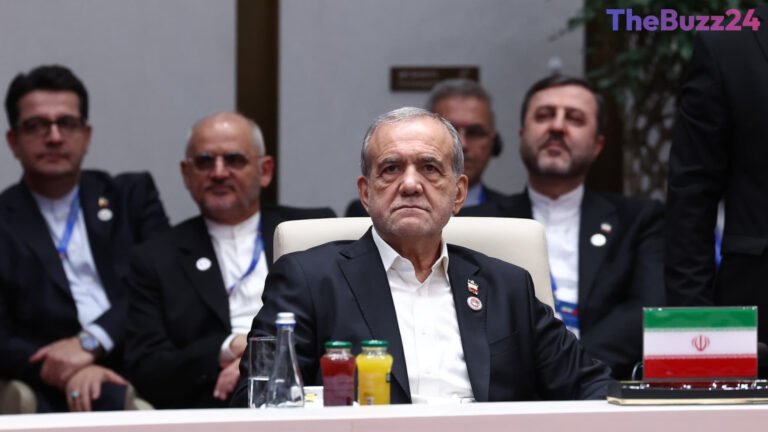
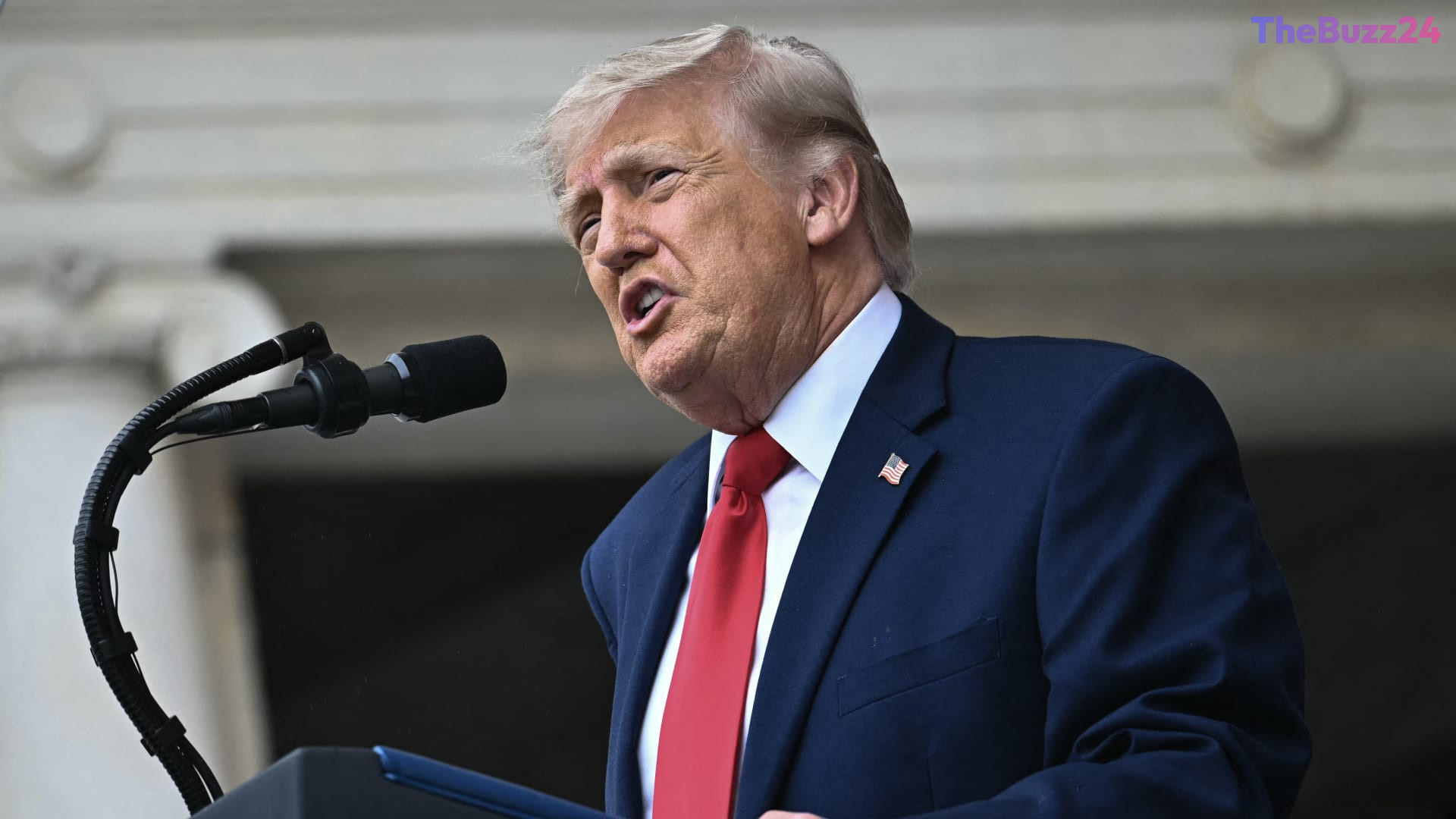
President Donald Trump has publicly defended his administration’s approach to ongoing negotiations with Iran, dismissing domestic critics who have questioned the pace and strategy of the diplomatic process. Despite the rhetoric, the situation remains volatile as military tensions escalated over the weekend with a series of reciprocal air strikes near the Strait of Hormuz, a critical maritime chokepoint for global oil transit.
The U.S. Central Command confirmed that it executed defensive strikes targeting Iranian radar and drone command facilities located on Qeshm Island and in Goruk. In response, the Islamic Revolutionary Guard Corps claimed to have launched retaliatory strikes against an air base utilized by U.S. forces. These developments occur as the diplomatic stalemate enters its second month, with little tangible progress toward a finalized agreement.
While the President maintains that Tehran is eager to reach a favorable deal for the United States and its allies, reports suggest that the administration is currently seeking significant amendments to the terms previously negotiated by envoys. Analysts remain skeptical of a near-term breakthrough, noting that the core geopolitical challenges—including Iran’s nuclear capabilities and its strategic influence over the Strait of Hormuz—remain largely unaddressed despite months of intermittent talks.
Key Takeaways
- Military tensions have flared near the Strait of Hormuz with reciprocal air strikes between U.S. and Iranian forces.
- President Trump is seeking amendments to the latest draft terms, complicating the ongoing diplomatic negotiations.
- Experts warn that the fundamental geopolitical issues, such as nuclear enrichment and regional control, remain unresolved.
Editor’s Analysis & Impact
The ongoing impasse between Washington and Tehran highlights the extreme difficulty of balancing domestic political pressure with high-stakes international diplomacy. From a market perspective, the instability surrounding the Strait of Hormuz poses a persistent risk to global energy prices, as any significant disruption to this waterway could trigger immediate volatility in oil markets. The administration’s request for amendments suggests that the initial framework may have been insufficient to satisfy U.S. security requirements, further delaying a potential resolution. Looking ahead, the lack of progress on core issues like nuclear enrichment suggests that the current ‘wait and see’ approach may lead to a prolonged period of uncertainty, keeping both regional security and global energy markets in a state of heightened alert.
Frequently Asked Questions
Q: Why is the Strait of Hormuz significant to these negotiations?
A: The Strait of Hormuz is a vital maritime chokepoint that handles approximately 20% of the world's global oil traffic, making it a central point of leverage and military focus for both nations.
Q: What is the current status of the U.S.-Iran deal?
A: The deal remains at an impasse. While the President claims progress is being made, the administration is currently seeking amendments to the terms, and analysts note that fundamental issues remain unresolved after months of talks.
AI Disclosure: This article is based on verified data and official reports. Our Team and AI have cross-referenced every financial detail with primary sources to ensure total accuracy.
More from this Category