UK Government Revokes Visas for Prominent US Political Commentators
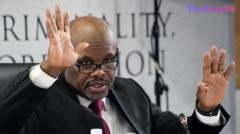
The United Kingdom’s Home Office has revoked the travel authorizations of two high-profile American political commentators, Hasan Piker and Cenk Uygur, effectively barring them from entering the country. The pair, both prominent figures in digital media, were scheduled to appear as speakers at the SXSW London festival and at a separate event in Oxford. Both individuals have publicly claimed that the decision was a direct retaliation for their vocal criticism of the Israeli government.
The revocation of their Electronic Travel Authorisations (ETA) follows intense public debate regarding the rhetoric used by both men concerning the ongoing conflict in Gaza. While supporters of the government’s decision, including certain political figures and community advocacy groups, have praised the move as a necessary step to curb the spread of hate speech and antisemitic tropes, critics have labeled the action a dangerous precedent for free speech. Human rights organizations have called for greater transparency, arguing that the government must ensure such restrictions align with established legal standards regarding the limitation of expression.
This incident is part of a broader trend of the UK government exercising its authority to deny entry to individuals deemed detrimental to the public good. Recent months have seen similar measures taken against other high-profile international figures, including musician Ye (formerly Kanye West) and various foreign nationals identified as agitators. As the debate continues, the case highlights the growing tension between national security interests, the regulation of inflammatory digital discourse, and the preservation of open political dialogue in the United Kingdom.
Key Takeaways
- US political commentators Hasan Piker and Cenk Uygur had their UK travel authorizations revoked, preventing their scheduled appearances at SXSW London.
- The Home Office cited concerns over public good, while the commentators allege the ban is a result of their criticism of Israel.
- The decision has sparked a polarized debate between those who support curbing hate speech and those who fear a crackdown on free expression.
Editor’s Analysis & Impact
The decision to bar Piker and Uygur underscores a tightening of UK border policy regarding the importation of inflammatory political rhetoric. By leveraging the ‘public good’ clause to deny entry, the Home Office is signaling a lower tolerance for digital influencers whose past statements are perceived as crossing the line into hate speech or inciting division. This move carries significant implications for international discourse, as it suggests that global digital platforms do not insulate creators from the geopolitical consequences of their speech. Moving forward, we can expect the UK government to face increased scrutiny from civil liberties groups regarding the transparency of these visa denials. The broader impact may lead to a chilling effect on international speaking tours for controversial figures, forcing event organizers to navigate a more complex regulatory landscape when inviting high-profile, polarizing guests.
Frequently Asked Questions
Q: Why were Hasan Piker and Cenk Uygur denied entry to the UK?
A: The UK Home Office revoked their Electronic Travel Authorisations (ETA), citing that their presence would not be conducive to the public good, a decision often linked to concerns over past inflammatory rhetoric.
Q: What was the reaction to the visa revocations?
A: The reaction has been divided: some community groups and politicians have welcomed the move as a stand against hate speech, while others, including human rights advocates, have criticized it as an infringement on free speech and a lack of government transparency.
AI Disclosure: This article is based on verified data and official reports. Our Team and AI have cross-referenced every financial detail with primary sources to ensure total accuracy.
More from this Category