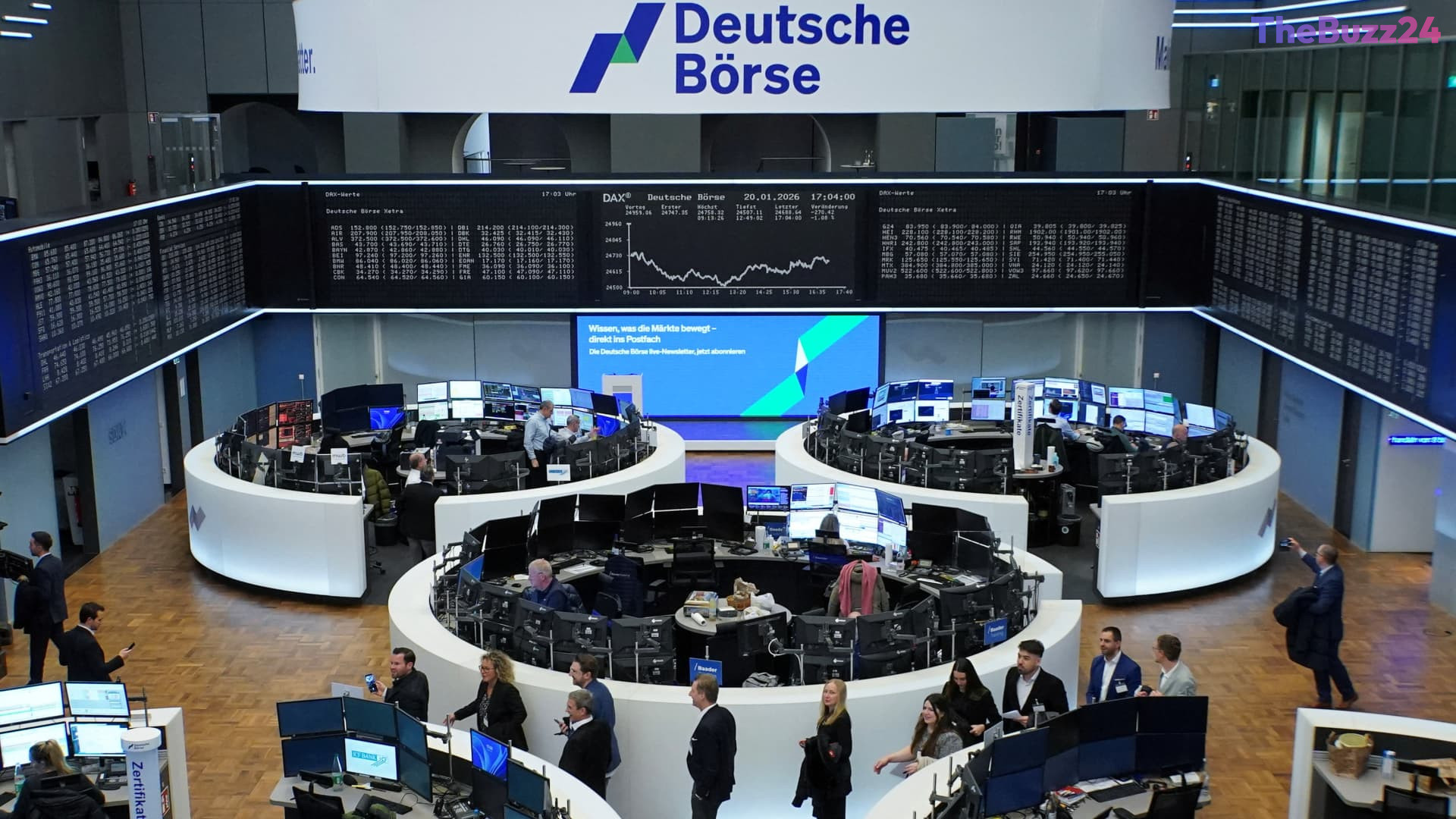
European Markets Eye Recovery as Inflation Data and Geopolitical Tensions Loom
European equity markets are signaling a potential rebound on Tuesday, with futures data indicating a positive opening across major regional indices. Investors are cautiously optimistic as they prepare for the release of critical euro zone inflation data, which is expected to provide insight into the economic strain caused by ongoing global conflicts. Stoxx 50 futures showed a 0.6% gain, while the FTSE 100, CAC 40, and DAX also trended upward in early trading.
The upcoming inflation report is particularly significant as it will reflect the impact of surging energy costs stemming from the ongoing conflict in the Middle East. With the euro zone’s inflation rate reaching 3% in April—surpassing the European Central Bank’s 2% target—the region remains highly sensitive to energy price volatility. Market participants are currently anticipating a high probability of an interest rate hike by the European Central Bank later this month to combat these inflationary pressures.
Geopolitical instability continues to weigh on investor sentiment, with the closure of the Strait of Hormuz remaining a primary concern for global oil supply chains. Diplomatic efforts regarding Iran have largely stalled, leading to increased calls for the European Union to take a more active role in negotiations. Meanwhile, the region is also grappling with the fallout from the Russia-Ukraine war, as new reports of air assaults in Ukraine and ongoing discussions regarding further sanctions against Moscow add layers of complexity to the economic outlook.
Beyond geopolitical developments, traders are also digesting a variety of regional economic indicators, including trade balance figures from Switzerland, Spanish unemployment data, and British mortgage lending statistics. These reports will be instrumental in helping investors gauge the underlying health of the European economy amidst a backdrop of persistent external shocks.
Key Takeaways
- European stock futures are trending higher as markets await crucial euro zone inflation data.
- The European Central Bank is widely expected to implement a 25-basis-point interest rate hike this month to address rising inflation.
- Geopolitical instability, including the blockade of the Strait of Hormuz and the Russia-Ukraine conflict, continues to drive market volatility and energy price concerns.
Editor’s Analysis & Impact
The European market is currently caught in a precarious tug-of-war between technical recovery and fundamental geopolitical risk. The primary concern for investors is the ‘stagflationary’ pressure caused by energy supply disruptions in the Middle East, which directly impacts the euro zone’s import-heavy economy. The European Central Bank faces a difficult balancing act: raising rates to curb inflation risks stifling an already fragile economic recovery. Furthermore, the lack of a diplomatic resolution regarding the Strait of Hormuz suggests that energy price volatility will remain a structural headwind for the foreseeable future. Investors should expect continued sensitivity to any news regarding trade routes and central bank policy shifts, as the market remains highly reactive to both macroeconomic data and the unpredictable nature of international conflict.
Frequently Asked Questions
Q: Why is the euro zone particularly sensitive to the conflict in the Middle East?
A: The euro zone is a major net energy importer, making it highly vulnerable to supply chain disruptions and price surges in oil and gas, such as those caused by the closure of the Strait of Hormuz.
Q: What is the market expectation for the European Central Bank's next move?
A: Markets are currently pricing in a 94% probability that the European Central Bank will hike interest rates by 25 basis points at its upcoming meeting to address inflation that has risen above the 2% target.
AI Disclosure: This article is based on verified data and official reports. Our Team and AI have cross-referenced every financial detail with primary sources to ensure total accuracy.
More from this Category