Microsoft Pivots to Proprietary AI Models to Drive Efficiency and Reduce Third-Party Reliance
Microsoft has officially entered the proprietary artificial intelligence race, unveiling a suite of new models designed to reduce its dependence on external partners like OpenAI and Anthropic. During the company’s Build developer conference in San Francisco, leadership introduced MAI-Code-1-Flash, a specialized model capable of generating source code from natural language prompts. This move signals a strategic shift for the tech giant, which has historically functioned primarily as a cloud infrastructure provider and major investor in the AI sector.
By developing and deploying its own models, Microsoft aims to optimize costs and performance for developers. Because these new models run directly on Microsoft’s Azure cloud infrastructure, the company can bypass the significant fees associated with third-party AI providers. This initiative is complemented by the introduction of MAI-Thinking-1, a reasoning model engineered for high efficiency and lower token costs. These tools are being integrated directly into the GitHub Copilot service and Visual Studio Code, providing developers with more cost-effective alternatives for building applications.
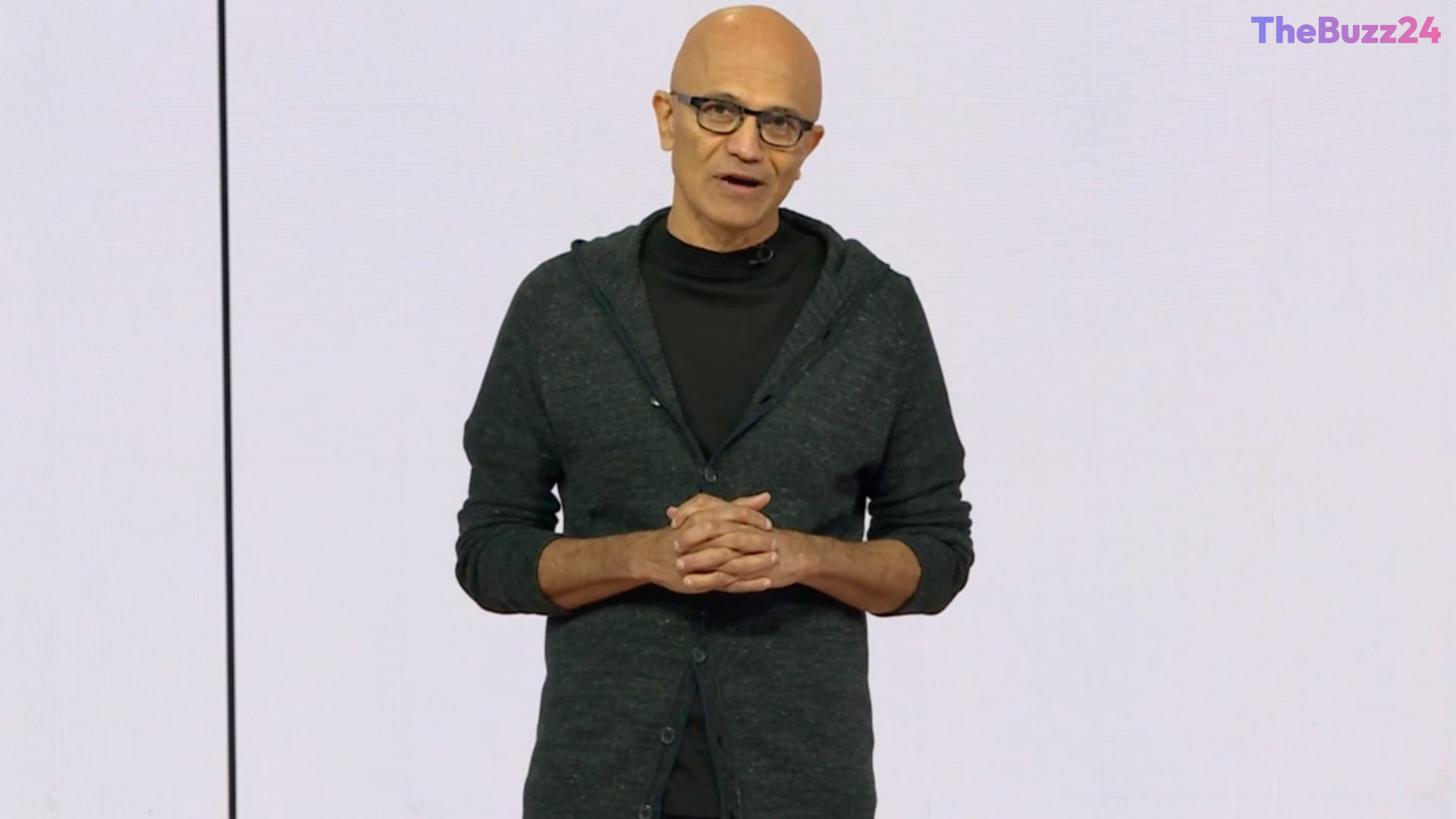
Beyond coding and reasoning, Microsoft is expanding its portfolio to include updated cloud-based models for speech recognition, synthetic voice generation, and image generation. The company is also focusing on smaller, efficient ‘Aion’ models designed to run locally on Windows PCs. CEO Satya Nadella emphasized that this transition marks a pivotal moment for the industry, encouraging companies to move beyond merely consuming frontier models toward actively participating in the broader AI ecosystem.
This strategic expansion comes as the AI landscape faces increased scrutiny regarding the sustainability of high-cost model usage. With competitors like Google also pushing their own efficient models, Microsoft’s move to integrate proprietary technology into its existing developer stack suggests a long-term plan to capture more value across the entire AI technology stack while maintaining its dominance in enterprise cloud services.
Key Takeaways
- Microsoft introduced MAI-Code-1-Flash and MAI-Thinking-1 to reduce reliance on third-party AI providers like OpenAI.
- The new models are designed for high efficiency and lower token costs, allowing Microsoft to pass savings to developers using Azure.
- The company is integrating these proprietary tools into GitHub Copilot and Visual Studio Code while expanding into local AI models for Windows PCs.
Editor’s Analysis & Impact
Microsoft’s decision to develop proprietary AI models represents a calculated move to secure its margins in an increasingly competitive cloud-AI market. By shifting from a pure ‘infrastructure-as-a-service’ model to a ‘full-stack’ AI provider, Microsoft is mitigating the risk of being overly dependent on the pricing and roadmap of its partners, OpenAI and Anthropic. This strategy is particularly vital as these partners move toward public markets and independent growth. From a market perspective, this creates a more fragmented but efficient landscape where cloud providers compete on the cost-to-performance ratio of their native models. If successful, this shift will likely force a price war among AI providers, ultimately benefiting enterprise customers but potentially tightening the competitive moat around Microsoft’s Azure ecosystem.
Frequently Asked Questions
Q: Why is Microsoft developing its own AI models instead of relying on OpenAI?
A: Developing proprietary models allows Microsoft to run AI services on its own Azure infrastructure, significantly reducing the costs associated with paying third-party licensing fees and token usage.
Q: What is MAI-Thinking-1?
A: MAI-Thinking-1 is a medium-sized reasoning model introduced by Microsoft that is built for high efficiency and performance at a lower cost per token compared to larger frontier models.
AI Disclosure: This article is based on verified data and official reports. Our Team and AI have cross-referenced every financial detail with primary sources to ensure total accuracy.
More from this Category