Victoria’s Secret Shares Surge 40% Following Strong Earnings Beat and Raised Outlook
Victoria’s Secret has reported a significant financial turnaround, exceeding Wall Street expectations for its fiscal first quarter and prompting a 40% jump in its share price during premarket trading. The lingerie retailer posted adjusted earnings per share that doubled consensus estimates, driven by robust sales growth and a strategic reduction in promotional activity. Revenue for the quarter reached $1.56 billion, marking a 15% increase compared to the previous year, while comparable sales grew by 13%.
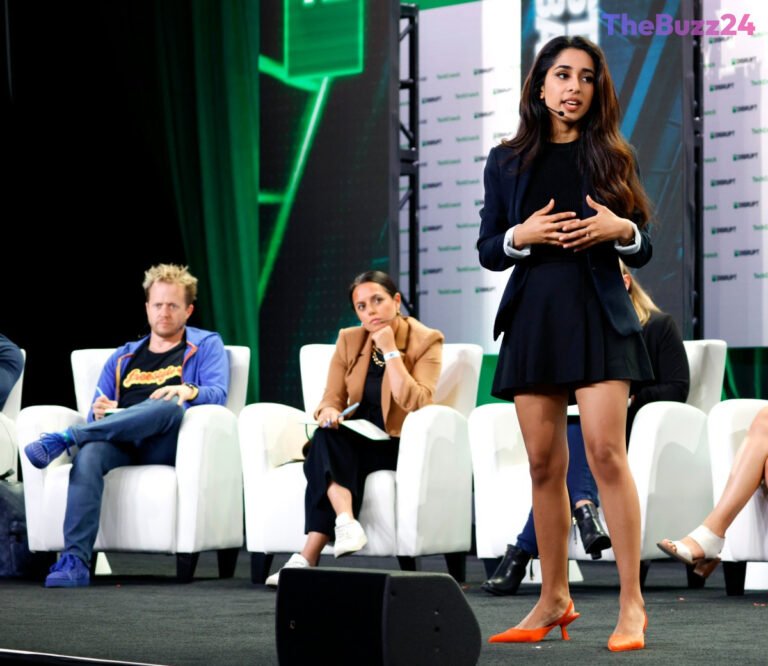
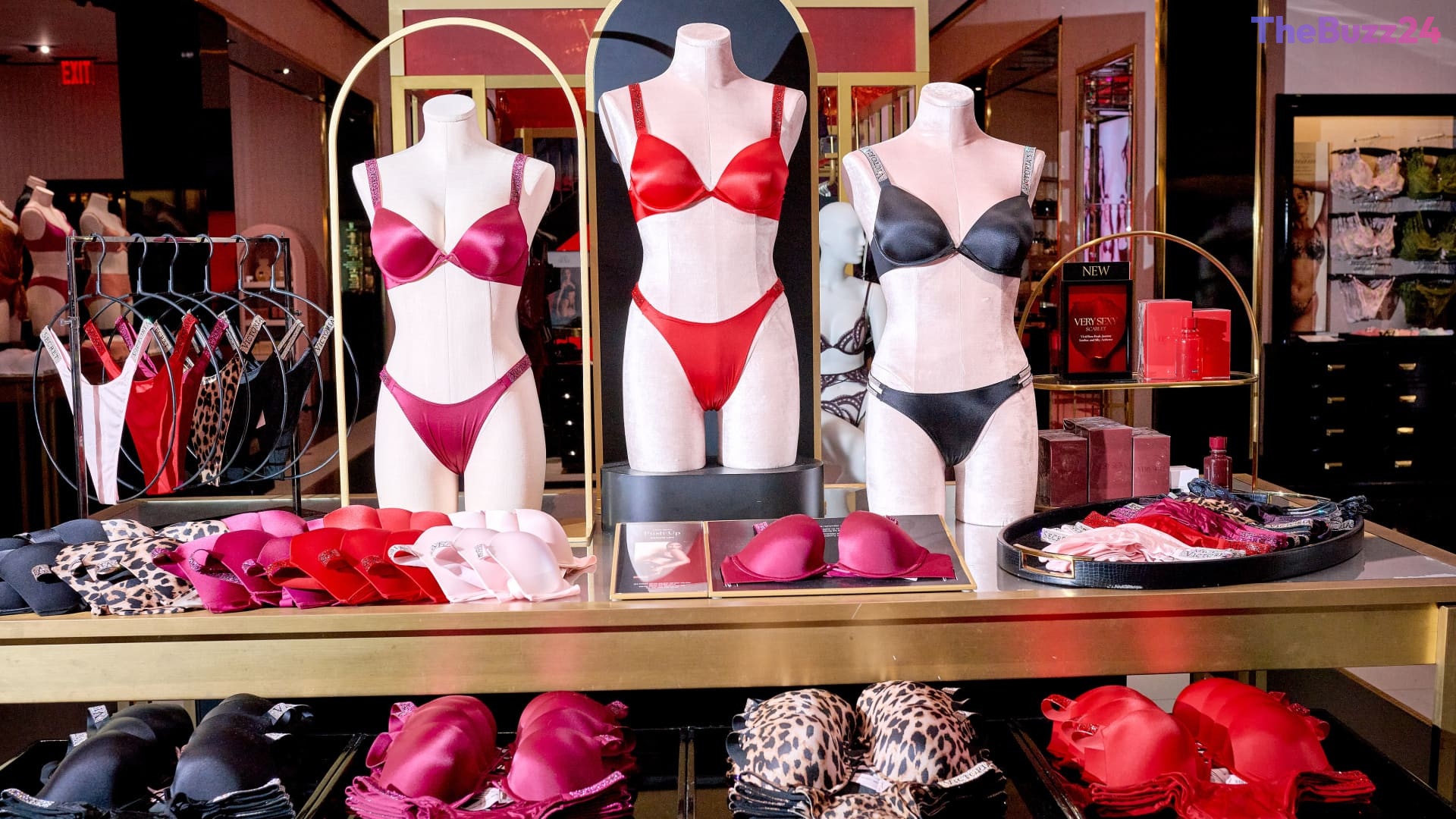
CEO Hillary Super attributed the success to the stabilization of the executive team and a renewed focus on the brand’s core identity. By prioritizing the ‘supercharging’ of its bra category and reigniting the Pink and beauty lines, the company has successfully captured market share across diverse income demographics, including significant growth among shoppers aged 18 to 24. The company noted that customers are increasingly willing to pay full price for products, signaling a shift away from the heavy discounting that previously defined the brand’s strategy.
Looking ahead, the company has raised its full-year guidance, now projecting annual sales between $7.03 billion and $7.13 billion. This optimism is supported by lower tariff costs and improved operational leverage. Despite broader concerns regarding consumer spending habits in a high-inflation environment, Victoria’s Secret remains confident in its momentum, citing the physical store footprint as a key competitive advantage that provides a unique, experiential shopping environment that continues to resonate with its customer base.
Key Takeaways
- Victoria's Secret shares soared 40% after the company reported first-quarter earnings that significantly outperformed analyst expectations.
- The company raised its full-year sales and operating income guidance, citing strong demand for full-price products and reduced tariff costs.
- CEO Hillary Super's turnaround strategy, which focuses on core product categories and reduced reliance on promotions, is showing measurable success across all consumer demographics.
Editor’s Analysis & Impact
The dramatic market reaction to Victoria’s Secret’s earnings highlights a pivotal moment for the legacy retailer. After years of struggling with brand identity, shifting beauty standards, and intense competition from direct-to-consumer startups, the company appears to have found a winning formula. By successfully pivoting back to its core strengths—specifically the bra and beauty categories—while simultaneously reducing promotional dependency, the company is demonstrating that brand equity can be reclaimed even in a challenging retail environment. The ability to maintain growth across both lower and higher income brackets suggests that the brand’s recent marketing and product adjustments are resonating with a broader audience. Moving forward, the sustainability of this growth will depend on the company’s ability to maintain this momentum without reverting to the heavy discounting that previously eroded its margins.
Frequently Asked Questions
Q: Why did Victoria's Secret raise its full-year guidance?
A: The company raised its guidance due to better-than-expected sales performance in the first quarter, improved leverage on fixed costs, and lower tariff rates.
Q: What is the primary driver behind the company's recent sales growth?
A: Growth is largely attributed to a strategic focus on 'supercharging' the bra category, reigniting the Pink and beauty lines, and a reduction in promotional discounting, which has allowed the brand to sell more products at full price.
AI Disclosure: This article is based on verified data and official reports. Our Team and AI have cross-referenced every financial detail with primary sources to ensure total accuracy.
More from this Category