Google Bolsters Android Security with AI-Powered Fake Call Detection
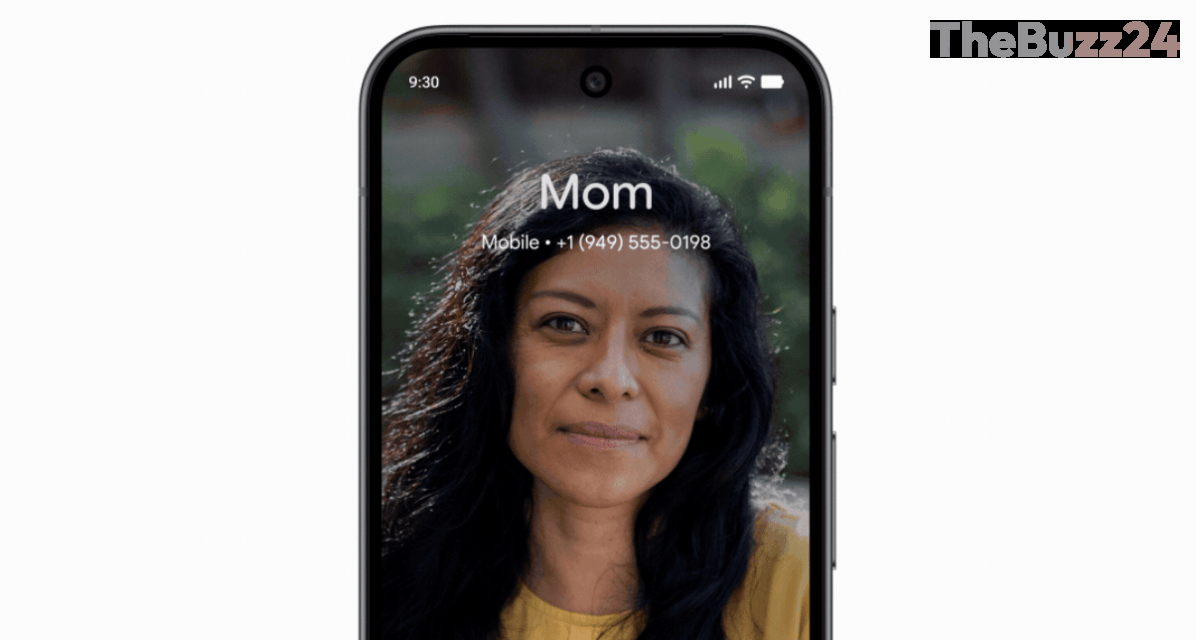
Google has introduced a sophisticated fake call detection feature for Android devices, designed to combat the rising threat of AI-driven impersonation scams. As bad actors increasingly utilize deepfake voice technology to mimic family members, employers, or authority figures, this new tool aims to restore trust in mobile communications. The feature is currently rolling out to devices running Android 12 or higher, with priority access given to Pixel users.
The technology functions as a silent verification system, operating automatically in the background. When a call is received, the system performs a digital handshake between devices using Rich Communication Services (RCS). If a caller claims to be a trusted contact but fails to provide the necessary verification signal, the device cross-references the status with the contact’s actual phone. If the real device confirms no call is being placed, the user receives an immediate on-screen warning to terminate the connection.
Beyond security enhancements, Google is expanding the utility of the Android ecosystem with several lifestyle-focused updates. These include a virtual wardrobe feature in Google Photos for outfit planning, a ‘Catch me up’ summary tool for Google Play Books, and an upgraded ‘Circle to Search’ capability that allows users to identify entire outfits simultaneously. These updates reflect a broader push to integrate advanced AI capabilities directly into the daily user experience.
Key Takeaways
- Google is launching an automated fake call detection feature for Android 12+ devices to combat AI voice impersonation.
- The system uses RCS-based verification to confirm if a call is legitimate by pinging the caller's actual device.
- Additional Android updates include AI-powered outfit searching, virtual wardrobe management, and book summary features.
Editor’s Analysis & Impact
The introduction of AI-based call verification marks a critical shift in mobile security. As deepfake technology becomes more accessible, traditional caller ID is no longer a reliable indicator of identity. By leveraging RCS to create a ‘digital handshake,’ Google is moving toward a zero-trust model for voice communications. This development is significant because it addresses the psychological vulnerability of users who are increasingly wary of answering unknown numbers. Looking ahead, the success of this feature will depend on its adoption across the broader Android ecosystem and its ability to scale without compromising user privacy. If effective, this could set a new industry standard for telecommunications security, forcing other mobile operating systems to implement similar verification protocols to remain competitive in an era of synthetic media threats.
Frequently Asked Questions
Q: Do I need to manually turn on the fake call detection feature?
A: No, the feature is enabled by default and operates automatically in the background without requiring user intervention.
Q: Which devices are currently supported by the new call detection tool?
A: The feature is rolling out to devices running Android 12 or higher, with initial availability focused on Pixel devices.
AI Disclosure: This article is based on verified data and official reports. Our Team and AI have cross-referenced every financial detail with primary sources to ensure total accuracy.
More from this Category