Kevin Warsh Appoints ‘Project 2025’ Author in First Fed Hires, Signaling Policy Shift
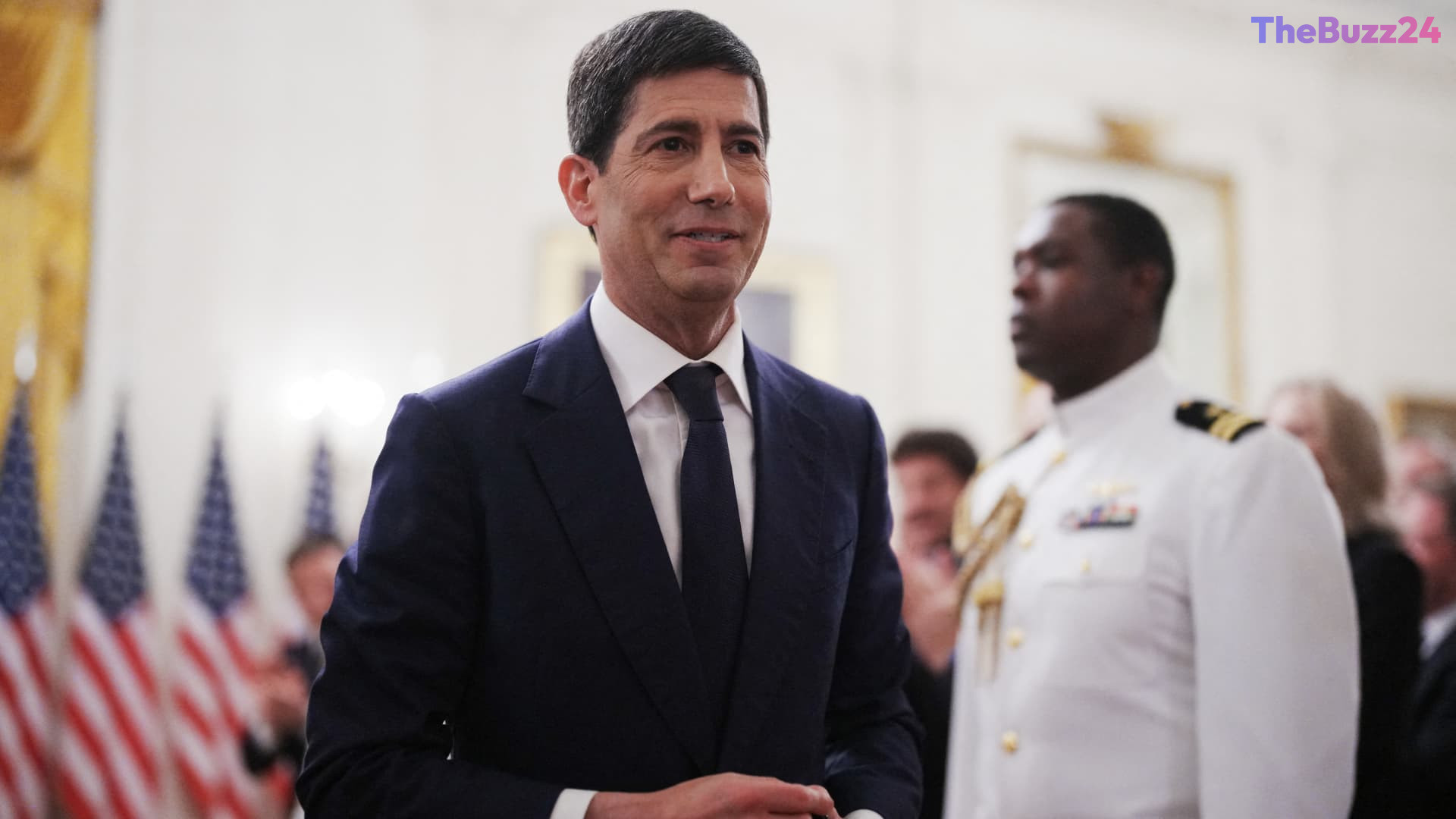
Newly appointed Federal Reserve Chair Kevin Warsh has made his initial key hires, bringing on Paul Winfree and Daniel Heil as interim advisors. These appointments are set to support Warsh in his policy analysis and planning on special projects, marking the first personnel decisions since his swearing-in last month.
Paul Winfree is notably recognized for his significant contributions to the conservative policy blueprint, “Project 2025,” where he authored the chapter on the Federal Reserve. This chapter outlines potential reforms that could extend beyond Warsh’s previously stated calls for “regime change” at the central bank. Among the ideas Winfree has explored is the termination of the Fed’s dual mandate—its congressional directive to maximize employment and stabilize prices. Instead, Winfree suggests the Fed should concentrate solely on “protecting the dollar and restraining inflation.” This perspective contrasts with Warsh’s more recent public statements, where he spoke positively about upholding both aspects of the dual mandate.
Daniel Heil joins Warsh from Stanford’s Hoover Institution think tank, an organization where Warsh himself held a position prior to his appointment as Fed Chair. These interim roles are expected to be closely scrutinized, particularly given Warsh’s pledge for a significant overhaul of the Fed. While Warsh boasts a broad network of prominent advisors, including figures like former Secretary of State Condoleezza Rice and investor Stanley Druckenmiller, these initial close advisors appear to have limited direct experience within the Federal Reserve or other major central banks. Warsh, who served as a Fed governor during the 2007-2008 financial crisis, has positioned himself as an insider-turned-critic, advocating for substantial changes to the institution’s direction.
Key Takeaways
- Federal Reserve Chair Kevin Warsh has made his first two interim hires: Paul Winfree and Daniel Heil, to advise on policy and special projects.
- Paul Winfree is known for his work on "Project 2025," advocating for significant Fed reforms, including potentially ending its dual mandate to focus solely on inflation and dollar protection.
- These appointments signal a potential shift towards more conservative economic policy analysis within the central bank, aligning with Warsh's previous calls for "regime change" at the Fed.
Editor’s Analysis & Impact
The appointment of Paul Winfree, a key architect of “Project 2025” proposals, and Daniel Heil, a fellow from the Hoover Institution, by newly sworn-in Federal Reserve Chair Kevin Warsh, signals a potentially significant ideological shift within the central bank. These hires, even in interim advisory roles, suggest Warsh is assembling a team aligned with his vision for “regime change” at the Fed. The market implications could be substantial if the Fed were to seriously consider abandoning its dual mandate of maximizing employment and stabilizing prices, as proposed by Winfree. Such a move would likely lead to increased volatility and uncertainty, particularly regarding interest rate policy and inflation targeting. The broader implications point to a more politically charged Federal Reserve, potentially prioritizing inflation control above all else, which could have profound effects on labor markets and economic growth. This move also highlights the increasing influence of conservative think tanks on federal policy.
Frequently Asked Questions
Q: Who are Kevin Warsh's first hires at the Federal Reserve?
A: Kevin Warsh has hired Paul Winfree and Daniel Heil as interim advisors to assist him with policy analysis and special projects at the Federal Reserve.
Q: What is "Project 2025" and why is Paul Winfree's involvement significant?
A: "Project 2025" is a conservative policy blueprint that proposes significant reforms across various government agencies. Paul Winfree authored the chapter on the Federal Reserve, advocating for ideas such as ending the Fed's dual mandate to focus solely on protecting the dollar and restraining inflation, which could represent a major shift in monetary policy.
Q: What does "regime change" at the Fed mean, as advocated by Warsh?
A: "Regime change" at the Fed, as described by Kevin Warsh, refers to a fundamental overhaul of the central bank's operations, policies, and potentially its mandate. His initial hires suggest a move towards a more conservative approach to monetary policy and a re-evaluation of the Fed's traditional roles.
AI Disclosure: This article is based on verified data and official reports. Our Team and AI have cross-referenced every financial detail with primary sources to ensure total accuracy.
More from this Category