The Digital Siege: A Review of 2026’s Most Devastating Cyberattacks
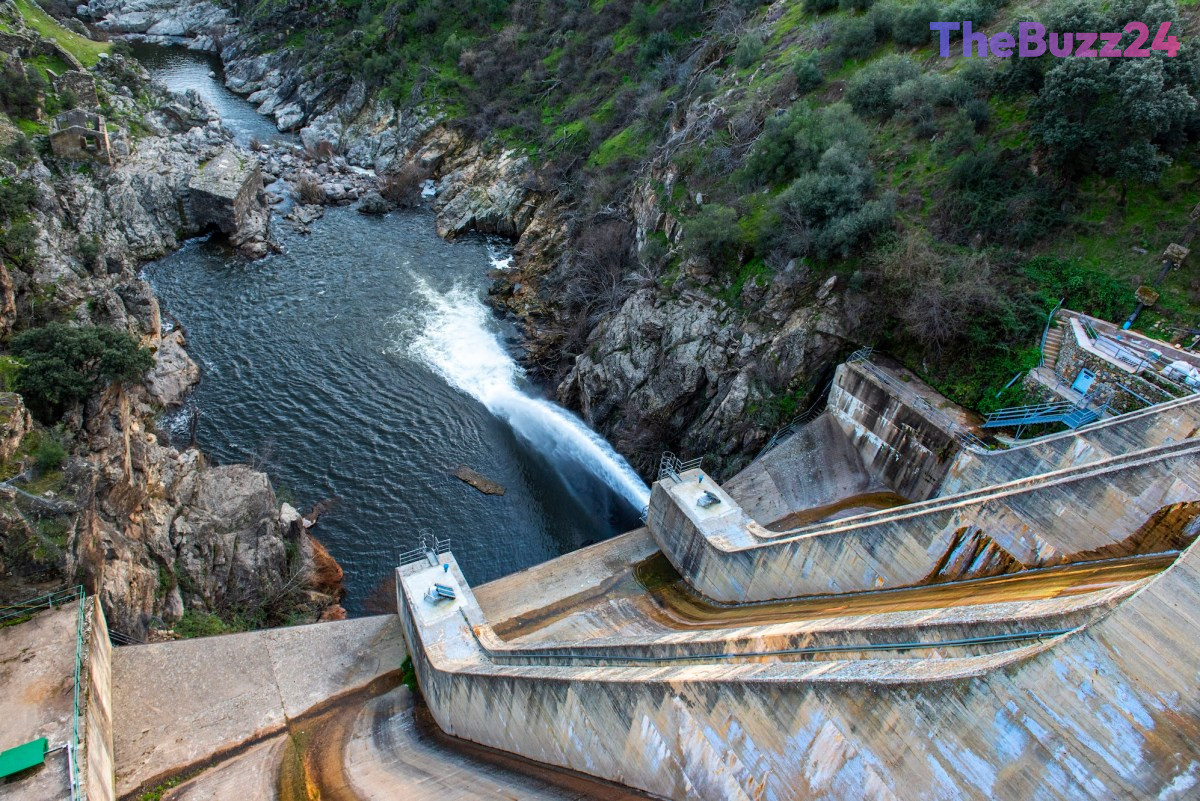
The first half of 2026 has proven to be a watershed moment for global cybersecurity, characterized by a shift from traditional espionage toward destructive hybrid warfare and massive data exfiltration. As geopolitical tensions escalate, critical infrastructure—including energy grids, water treatment facilities, and government databases—has become a primary target for state-sponsored actors and financially motivated hacking collectives. These incidents underscore a growing vulnerability in both public and private sectors, where the weaponization of civilian data and the disruption of essential services have become common tactics.
Among the most alarming incidents is the reported compromise of the Social Security Administration database. Allegations suggest that sensitive personal information for millions of Americans was exposed via an unsecured third-party server during internal restructuring efforts. Simultaneously, the education and corporate sectors have faced relentless pressure from groups like ShinyHunters, who utilized sophisticated voice-phishing techniques to breach major entities such as Instructure, impacting millions of students and staff. These attacks highlight the ease with which human error and social engineering can bypass even robust security protocols.
Furthermore, the integrity of the global software supply chain has been severely tested. By targeting open-source projects and widely used development tools, hackers have successfully infiltrated high-profile tech companies, including OpenAI and Vercel. This trend, coupled with destructive attacks on medical technology firms like Stryker and the prolonged operational paralysis of major corporations like Hasbro, signals a new era of digital instability. As government agencies, including the FBI, grapple with their own security lapses, the reliance on identity verification systems continues to create a paradox: the more data collected for security, the larger the target for future breaches.
Key Takeaways
- Critical infrastructure, including water and energy systems, is increasingly being targeted by state-sponsored actors as a form of hybrid warfare.
- The software supply chain has become a major vulnerability, with hackers compromising open-source tools to gain access to downstream tech giants.
- Massive data breaches involving government-issued IDs are undermining the effectiveness of 'know your customer' and age-verification mandates.
Editor’s Analysis & Impact
The 2026 cyber landscape reflects a dangerous convergence of geopolitical conflict and criminal opportunism. The shift toward ‘destructive’ hacking—where the goal is to wipe systems or paralyze operations rather than just steal data—marks a significant escalation in the cost of doing business. For the industry, this necessitates a move away from reactive security toward a ‘zero-trust’ architecture that assumes internal systems are already compromised. The future outlook remains grim; as long as critical infrastructure remains digitized and interconnected, it will serve as a primary theater for international disputes. Companies must prioritize supply chain transparency and rigorous third-party auditing, as the ‘weakest link’ in the software ecosystem is now the primary entry point for global threat actors.
Frequently Asked Questions
Q: Why are hackers increasingly targeting water and energy infrastructure?
A: These sectors are often viewed as 'soft targets' with legacy systems that lack modern cybersecurity protections, making them ideal for state-sponsored actors looking to exert pressure or cause real-world disruption.
Q: How do supply chain attacks work in the context of software?
A: Hackers compromise a widely used open-source tool or software update. When companies or developers download these updates, they inadvertently install backdoors that grant the hackers access to their internal networks.
AI Disclosure: This article is based on verified data and official reports. Our Team and AI have cross-referenced every financial detail with primary sources to ensure total accuracy.
More from this Category