Israel and Lebanon Agree to Conditional Ceasefire, Plan Hezbollah-Free Security Zones
An agreement has been reached between Israel and Lebanon to renew a fragile ceasefire and establish “pilot” security zones within Lebanese territory, from which Hezbollah operatives would be prohibited. This development, brokered by the United States, is explicitly contingent upon a complete cessation of attacks by the Iran-backed armed group Hezbollah, among other stipulated conditions. The announcement follows a period of intense cross-border hostilities that severely tested an earlier truce, including Israeli strikes in southern Lebanon and Hezbollah rocket fire into northern Israel.
The terms of the agreement, finalized after a fourth round of US-mediated discussions in Washington, mandate the evacuation of all Hezbollah operatives from an area Israel currently controls in southern Lebanon, stretching from the Litani River to the border. Hezbollah, a Shia Muslim political and military organization active in Lebanon, is designated a terrorist entity by Israel, the United States, and several other nations, and has a history of violent confrontations with Israel. The United States has committed to assisting in the creation of these pilot zones, where the Lebanese Armed Forces would assume exclusive control, effectively excluding all non-state actors.
Despite the diplomatic progress, the path to a lasting peace remains fraught with challenges. A partial ceasefire previously agreed upon, which saw Israel commit to refraining from bombing Beirut in exchange for Hezbollah not attacking Israel, was quickly tested by both sides. Hezbollah has publicly expressed skepticism regarding the Washington talks, with a member of its political council stating that the group does not recognize the negotiations or their outcomes. The conflict has exacted a heavy toll, with thousands of lives lost in Lebanon and over a million people displaced, while Israel has also reported military and civilian casualties.
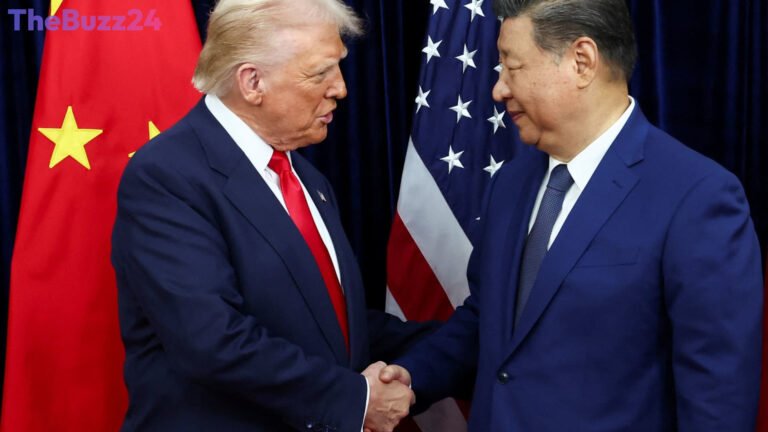
The broader regional implications of the conflict and the ceasefire efforts are significant. US President Donald Trump reportedly intervened directly to de-escalate the situation, urging Israeli Prime Minister Benjamin Netanyahu to halt strikes on Beirut. While Israel agreed to this, it affirmed its intent to continue operations in southern Lebanon. Iran, a key backer of Hezbollah, has also asserted that any regional ceasefire must encompass Lebanon, though the US has indicated a desire to separate talks concerning Israel-Hezbollah from wider US-Iran negotiations. Further discussions between Israel and Lebanon are scheduled for June 22, aiming for a comprehensive agreement.
Key Takeaways
- Israel and Lebanon have agreed to a conditional ceasefire and the establishment of "pilot" security zones in Lebanon, contingent on Hezbollah ceasing attacks.
- The agreement, brokered by the US, requires Hezbollah to evacuate from an Israeli-controlled area in southern Lebanon.
- Despite the agreement, Hezbollah has expressed skepticism and rejected the legitimacy of the Washington talks, highlighting ongoing challenges to lasting peace.
Editor’s Analysis & Impact
This conditional ceasefire agreement, while a diplomatic step forward, highlights the profound complexities and fragility of the Israeli-Lebanese conflict. The establishment of “pilot security zones” and the demand for Hezbollah’s withdrawal from specific areas represent a significant attempt to de-escalate tensions and create a buffer. However, Hezbollah’s immediate rejection of the Washington talks’ legitimacy poses a substantial hurdle, indicating that the group may not adhere to terms it did not directly negotiate or accept. The future outlook remains highly uncertain, with a high risk of renewed hostilities if Hezbollah continues its operations or if the proposed security mechanisms prove ineffective. The US’s continued mediation is critical, but the ultimate success hinges on the willingness of all parties, including Hezbollah, to commit to and implement the terms, which is far from guaranteed. The broader implication is that regional stability remains precarious, deeply intertwined with the actions of non-state actors and the geopolitical interests of major powers like Iran and the US.
Frequently Asked Questions
Q: What are the main conditions of the new ceasefire agreement between Israel and Lebanon?
A: The agreement is contingent on a complete cessation of attacks by Hezbollah and includes the creation of "pilot" security zones in Lebanon where Hezbollah operatives would be banned. It also requires Hezbollah to evacuate from an Israeli-controlled area in southern Lebanon, from the Litani River to the border.
Q: Why is Hezbollah's stance critical to the agreement's success?
A: Hezbollah is a primary combatant in the conflict and its acceptance and adherence to the ceasefire terms are crucial. The group has publicly stated it does not recognize the Washington negotiations or their findings, which could undermine the agreement's implementation and lead to renewed conflict.
Q: What role did the United States play in brokering this agreement?
A: The United States actively brokered the talks between Israel and Lebanon, leading to this conditional agreement. US officials facilitated multiple rounds of discussions in Washington and have committed to assisting in the creation of the proposed security zones.
AI Disclosure: This article is based on verified data and official reports. Our Team and AI have cross-referenced every financial detail with primary sources to ensure total accuracy.
More from this Category