Nvidia CEO Jensen Huang Summoned by Senate Panel Over China Chip Sales
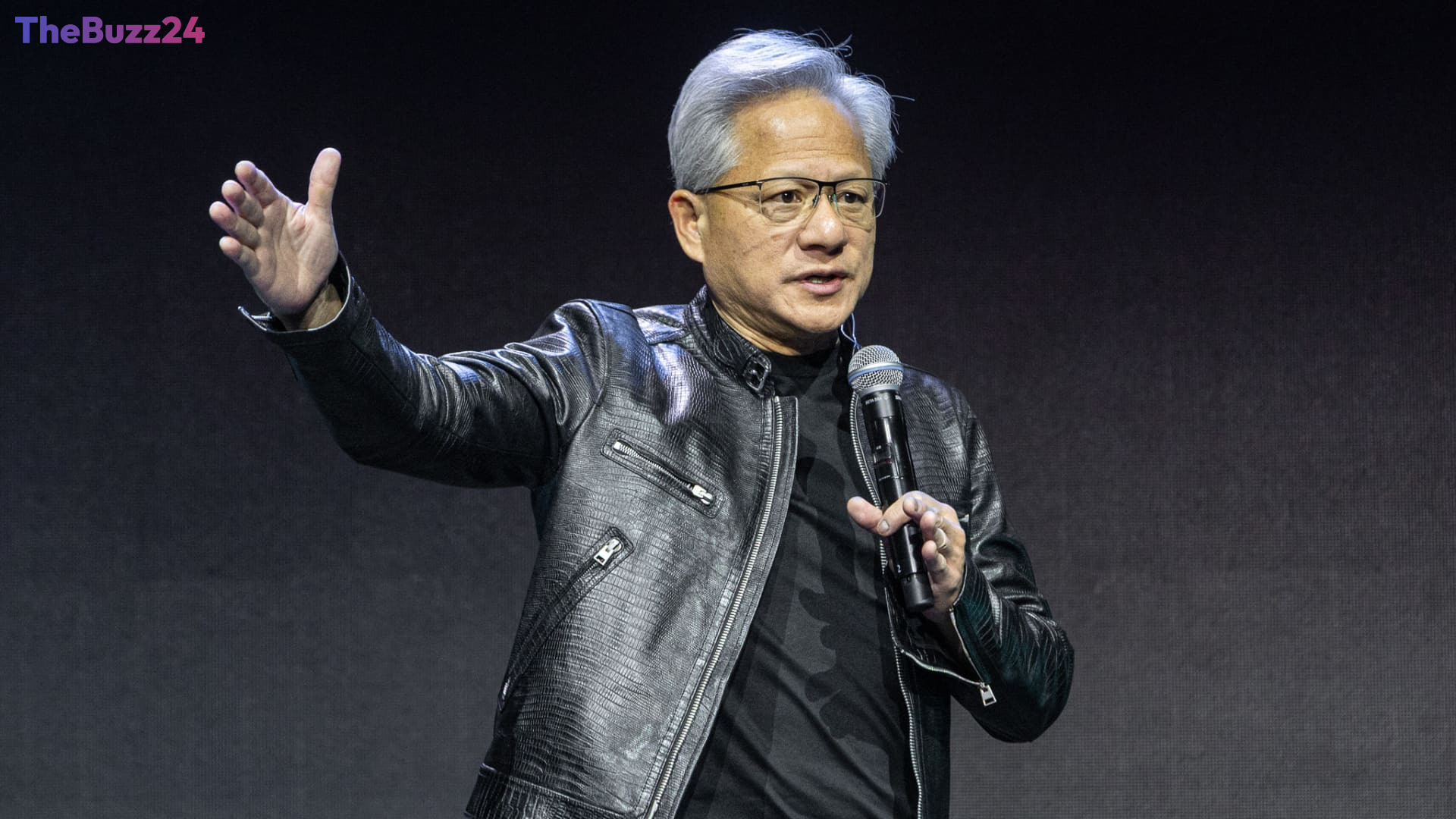
Senator Elizabeth Warren has formally invited Nvidia CEO Jensen Huang to testify before the Senate Banking Committee on June 11. The hearing aims to scrutinize the chip giant’s business dealings in China and the implications of U.S. export control regulations on advanced artificial intelligence (AI) chip sales.
Nvidia’s cutting-edge AI processors are fundamental to the operation of numerous global data centers, positioning the company at the epicenter of the current AI revolution. This prominence, however, has also placed Nvidia under intense scrutiny from Washington policymakers concerned about the potential military applications of its technology in China. The invitation offers lawmakers a direct opportunity to question Huang on the company’s strategies and compliance with U.S. trade restrictions.
In a letter detailing the invitation, Senator Warren emphasized that Huang’s testimony would provide a platform to discuss Nvidia’s perspective on U.S. export control laws and its commercial activities within China. The senator has expressed significant concerns that American companies may be inadvertently bolstering China’s technological and military capabilities through their sales, potentially undermining long-term U.S. security interests. This concern is particularly acute given the dual-use nature of the advanced chips, which can be leveraged for both commercial AI development and military purposes.
The Senate’s inquiry aligns with broader legislative efforts, as House Republicans are also reportedly investigating China’s alleged attempts to hinder U.S. AI and data-center development. Warren has also voiced broader anxieties about the societal impact of AI, advocating for measures like an excise tax on data centers to fund essential social services such as healthcare, childcare, and job training.
Key Takeaways
- Nvidia CEO Jensen Huang has been invited to testify before the Senate Banking Committee on June 11 regarding the company's China business and U.S. export controls.
- The hearing will focus on concerns that advanced AI chips sold by Nvidia to China could be used for military purposes, potentially impacting U.S. national security.
- Senator Warren also highlighted broader concerns about AI's societal impact and suggested potential funding mechanisms for social programs through data center taxation.
Editor’s Analysis & Impact
This Senate invitation underscores the escalating geopolitical tensions surrounding advanced semiconductor technology. Nvidia, as the dominant player in AI chips, finds itself at the nexus of technological innovation, national security concerns, and international trade policy. The hearing could set a precedent for how U.S. lawmakers engage with tech giants on export controls and the ethical implications of their global business. The outcome may influence future regulatory frameworks, potentially impacting Nvidia’s supply chain, market access in China, and overall growth trajectory. Furthermore, it highlights a growing bipartisan consensus on scrutinizing China’s technological advancements, signaling a more assertive stance from Washington.
Frequently Asked Questions
Q: Why is Senator Warren concerned about Nvidia's sales to China?
A: Senator Warren is concerned that advanced AI chips sold by Nvidia to China could be repurposed for military applications, thereby potentially undermining U.S. national security. She also worries that U.S. companies profiting from these sales might inadvertently strengthen China's technological and military capabilities.
Q: What is the significance of Nvidia's role in the AI boom?
A: Nvidia's specialized AI chips are crucial for powering the data centers that train and run advanced artificial intelligence models. This makes the company a central figure in the current AI revolution and a key supplier for many leading technology firms.
Q: What are U.S. export controls in this context?
A: U.S. export controls are government regulations designed to restrict the sale or transfer of sensitive technologies, like advanced AI chips, to certain countries or entities. These controls are often implemented for national security reasons, to prevent adversaries from acquiring technology that could be used against U.S. interests.
AI Disclosure: This article is based on verified data and official reports. Our Team and AI have cross-referenced every financial detail with primary sources to ensure total accuracy.
More from this Category