President Trump Signals Openness to Meeting Iranian Leadership to End Conflict
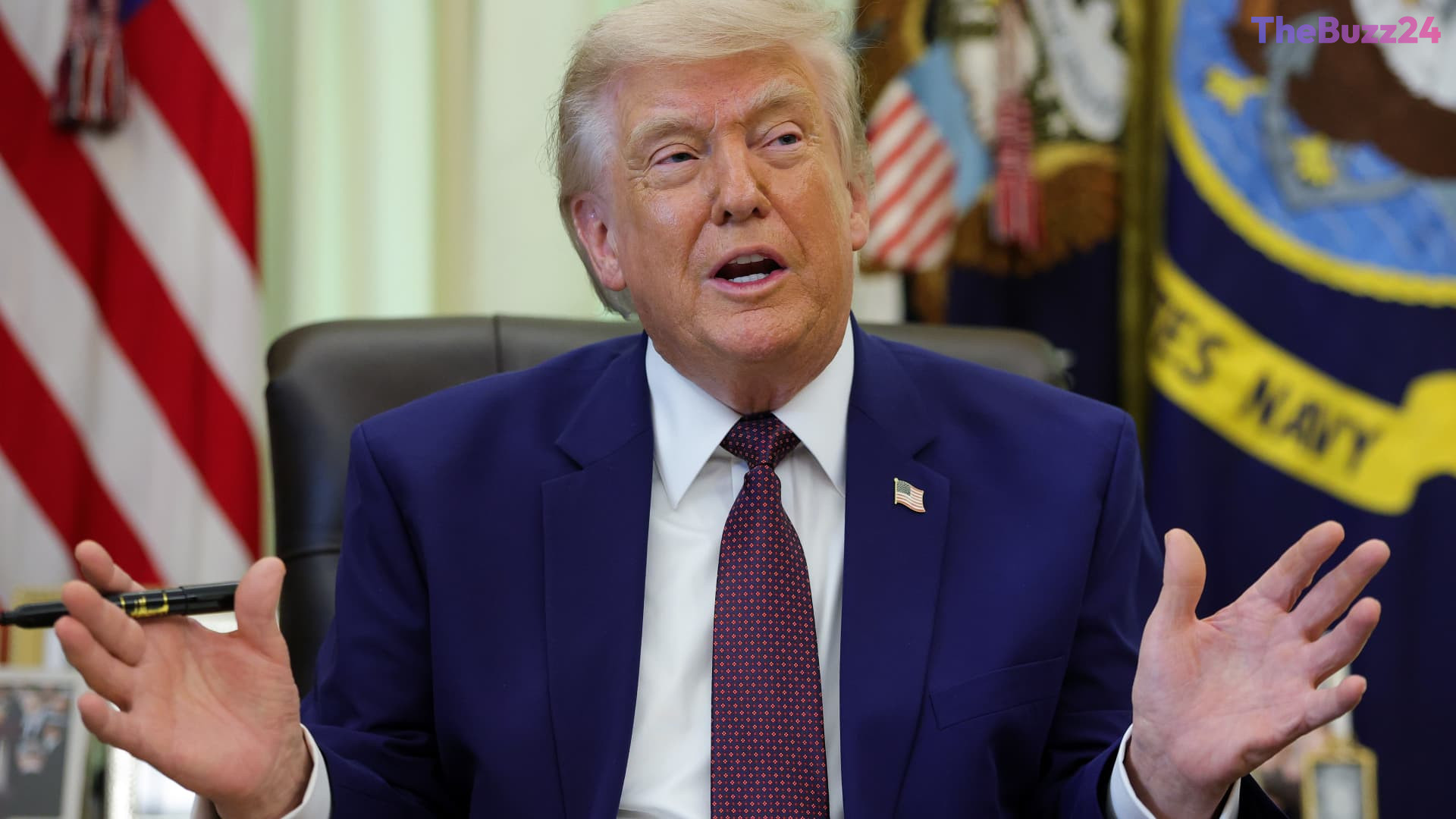
President Donald Trump has expressed a willingness to meet with Iranian Supreme Leader Ayatollah Mojtaba Khamenei, provided such a summit could facilitate a formal agreement to conclude the ongoing conflict. The war, now entering its fourth month, has created significant geopolitical instability and disrupted global energy markets.
Despite the personal toll of the conflict, which saw the death of the Supreme Leader’s father during initial hostilities, the President suggested that a professional diplomatic engagement remains possible. Trump noted that he would be “honored” to hold discussions if it meant securing a lasting peace deal. This stance comes amid a period of intense volatility, as the Strait of Hormuz—a vital artery for global oil transit—remains largely closed, contributing to a sharp rise in domestic gasoline prices.
Negotiations have been characterized by conflicting signals from both sides. While the United States continues to insist on a permanent guarantee against Iranian nuclear proliferation and the reopening of the Strait of Hormuz, Iranian officials have countered with demands for a total cessation of hostilities and the lifting of the U.S. naval blockade. As the administration balances these demands, the potential for a high-level meeting remains a focal point for international observers hoping to stabilize the region and alleviate the economic pressure caused by the current stalemate.
Key Takeaways
- President Trump is open to meeting with Iranian Supreme Leader Ayatollah Mojtaba Khamenei to finalize a peace deal.
- The ongoing four-month conflict has caused significant spikes in global oil prices and domestic gasoline costs.
- Key sticking points in negotiations include U.S. demands regarding nuclear non-proliferation and the reopening of the Strait of Hormuz.
Editor’s Analysis & Impact
The prospect of a direct meeting between the U.S. President and the Iranian Supreme Leader represents a potential turning point in a conflict that has severely strained the global economy. By signaling a willingness to engage diplomatically despite the high-stakes nature of the naval blockade and nuclear concerns, the administration is attempting to pivot from military escalation to a negotiated settlement. However, the success of such a meeting hinges on bridging the vast gap between U.S. security demands and Iran’s requirements for economic relief. The broader implication is that global energy markets will remain highly sensitive to any diplomatic developments; until the Strait of Hormuz is reopened and a ceasefire is solidified, volatility in oil and gas prices is expected to persist, posing a continued challenge to international economic stability.
Frequently Asked Questions
Q: Why is the closure of the Strait of Hormuz significant?
A: The Strait of Hormuz is a critical maritime chokepoint that carries approximately one-fifth of the world's oil supply. Its closure significantly restricts global energy flow, leading to increased oil and gasoline prices.
Q: What are the primary demands of the U.S. in the current negotiations?
A: The United States is primarily demanding that Iran provide guarantees that it will never acquire a nuclear weapon and that it immediately reopens the Strait of Hormuz to international shipping.
AI Disclosure: This article is based on verified data and official reports. Our Team and AI have cross-referenced every financial detail with primary sources to ensure total accuracy.
More from this Category