Mira Murati Emerges from Stealth with New Vision for AI Interaction
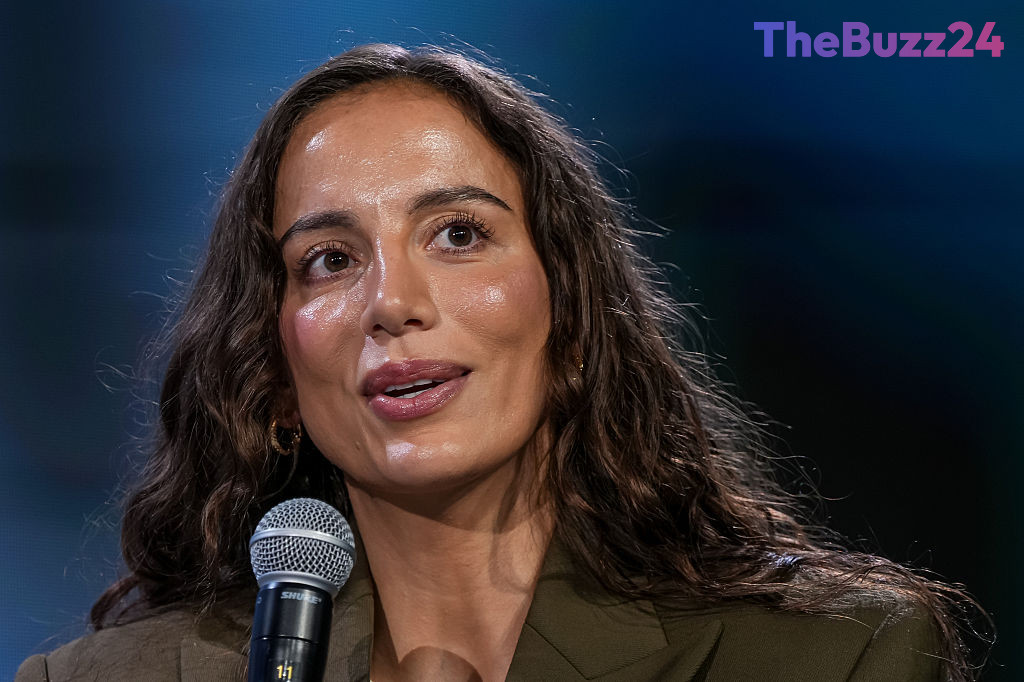
After an 18-month hiatus from the public eye, former OpenAI CTO Mira Murati has stepped back into the spotlight to discuss the progress of her new venture, Thinking Machines Lab. Following a period of quiet development, hiring, and the release of the Tinker API, Murati utilized a recent media appearance to signal that her company is ready to re-enter the competitive AI landscape. The firm is currently focusing on what it calls ‘interaction models,’ a departure from traditional prompt-and-response interfaces. These models are designed to process audio, text, and video in 200-millisecond intervals, aiming to capture the nuances of human communication, such as interruptions and mid-thought corrections, in real time.
During the discussion, Murati also reflected on the turbulent events at OpenAI in November 2023, during which she served as interim CEO. She described the period as a critical test of leadership, noting that her primary goal was to stabilize the organization during a moment of potential collapse. While she expressed confidence in the decisions she made at the time, she admitted that, in hindsight, she would have advocated for more transparency and a more structured transition plan. She avoided commenting on her personal trust in former colleagues, instead pivoting to a broader critique of the AI industry’s governance.
Murati emphasized that the current trajectory of artificial intelligence is not predetermined, rejecting the binary narrative of inevitable utopia or dystopia. She expressed concern regarding the concentration of power within a few major AI labs, arguing that the industry lacks sufficient structural checks and balances. As Thinking Machines Lab navigates the intense competition for talent and market share, Murati remains focused on the long-term implications of AI development, warning that a lack of human oversight could lead to undesirable outcomes for society.
Key Takeaways
- Mira Murati’s company, Thinking Machines Lab, is developing 'interaction models' designed to process human communication in real-time at 200-millisecond intervals.
- Murati expressed concerns regarding the lack of structural governance and the concentration of power within the current AI industry.
- The former OpenAI executive reflected on the 2023 leadership crisis, noting that she would have pushed for better transition planning and information sharing in retrospect.
Editor’s Analysis & Impact
Mira Murati’s return to the public sphere marks a pivotal moment for Thinking Machines Lab as it attempts to differentiate itself in an AI market dominated by well-funded incumbents like OpenAI, Anthropic, and xAI. Her focus on ‘interaction models’ suggests a strategic pivot toward more fluid, human-centric AI interfaces, which could be a significant differentiator if successfully scaled. However, the industry is currently grappling with high turnover and intense pressure to deliver tangible results. Murati’s critique of industry governance highlights a growing tension between rapid innovation and the need for ethical oversight. Her ability to attract and retain top-tier talent, despite the ‘nine-figure’ compensation wars, will be the ultimate test of her leadership and the company’s long-term viability in an increasingly crowded and skeptical market.
Frequently Asked Questions
Q: What is the primary focus of Mira Murati's new company, Thinking Machines Lab?
A: Thinking Machines Lab is developing 'interaction models' designed to process continuous streams of audio, text, and video in real-time, aiming to create more natural, human-like AI interfaces.
Q: What is Mira Murati's stance on the future of AI development?
A: Murati believes that the future of AI is not predetermined and that the current period is critical for establishing the right governance and human oversight to ensure positive outcomes.
AI Disclosure: This article is based on verified data and official reports. Our Team and AI have cross-referenced every financial detail with primary sources to ensure total accuracy.
More from this Category