Texas Grapples with Second Screwworm Case as Canada Restricts Livestock Imports
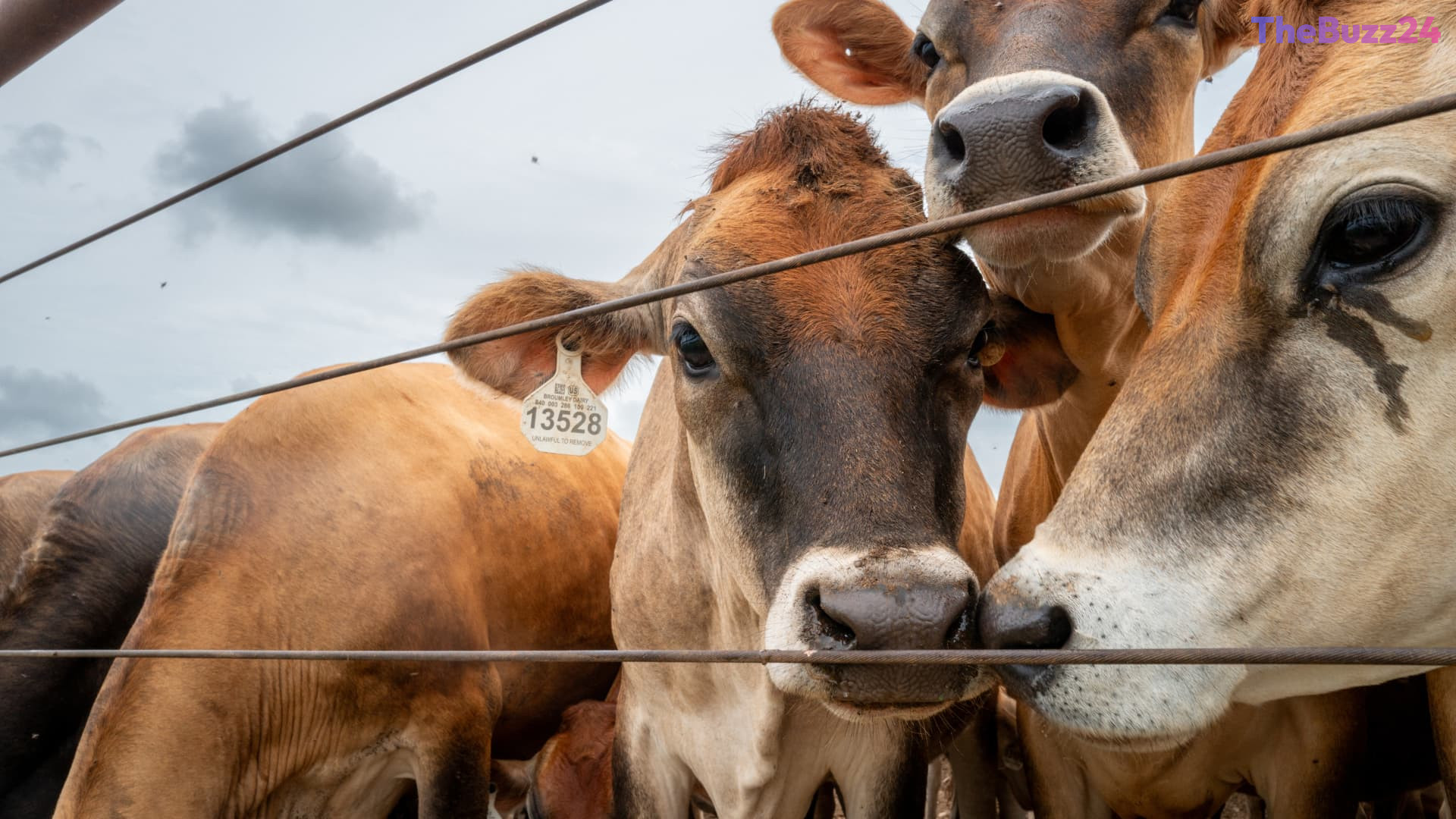
Authorities in the United States have confirmed a second instance of the New World screwworm, a highly destructive flesh-eating parasite, in Texas. This latest detection, found in a one-month-old calf in Zavala County, is located approximately 5.6 miles from the initial case reported earlier this month. The discovery has prompted immediate cross-border action, with Canada announcing temporary restrictions on livestock imports from affected U.S. regions.
The New World screwworm poses a significant threat to warm-blooded animals, including livestock, wildlife, and pets, and can, in rare circumstances, affect humans. Its larvae feed on living tissue, creating severe wounds that can prove fatal if left untreated. In response to the confirmed cases, federal and state officials have established a movement-control zone around the affected area and are actively deploying sterile insects as part of a strategy to suppress the parasite’s population.
The Canadian Food Inspection Agency has implemented a temporary ban on livestock imports, including horses, originating from or present in Texas within 21 days prior to crossing the border. Despite these developments, U.S. agricultural authorities assure the public that the nation’s food supply remains secure. They emphasize that screwworms do not infest meat or other food products, and any affected animal would be identified during routine inspections, preventing contaminated products from entering the market.
Officials underscore the importance of continued vigilance among livestock owners and residents across Texas. Rapid surveillance and reporting are critical to containing and ultimately eradicating the parasite, a challenge the U.S. Department of Agriculture has successfully overcome in the past.
Key Takeaways
- A second case of the flesh-eating New World screwworm has been confirmed in a calf in Zavala County, Texas, close to the initial detection.
- Canada has responded by temporarily restricting livestock imports from affected areas of the U.S., specifically targeting animals from Texas.
- U.S. authorities are implementing control measures, including sterile insect release, and affirm the safety of the food supply while urging public vigilance.
Editor’s Analysis & Impact
The re-emergence of the New World screwworm in Texas, a parasite previously eradicated from the U.S., presents a significant challenge for agricultural authorities and the livestock industry. The immediate response from Canada, imposing import restrictions, highlights the potential for broader economic implications, particularly for cross-border trade in animals. While U.S. officials maintain the food supply’s safety, the situation underscores the constant threat of animal diseases and the need for robust biosecurity measures. Successful containment and eradication will depend on swift action, public cooperation, and effective deployment of control strategies, potentially impacting regional livestock movements and trade for an extended period.
Frequently Asked Questions
Q: What is the New World screwworm?
A: The New World screwworm is a flesh-eating parasite whose larvae infest the living tissue of warm-blooded animals, causing severe wounds that can be fatal if left untreated.
Q: How does this affect the U.S. food supply?
A: U.S. agricultural authorities confirm that the food supply remains safe. New World screwworms do not infest meat or other food products, and any affected animal would be identified and removed during inspection processes.
Q: What measures are being taken to control the outbreak?
A: Federal and state officials have established a movement-control zone and are releasing sterile insects to suppress the parasite's population. Public vigilance and rapid reporting of suspected cases are also crucial.
AI Disclosure: This article is based on verified data and official reports. Our Team and AI have cross-referenced every financial detail with primary sources to ensure total accuracy.
More from this Category