Key White House AI Policy Lead Sriram Krishnan Announces Departure
Sriram Krishnan, a central figure in the development of artificial intelligence policy within the White House, has announced his resignation. Krishnan, who has played a pivotal role in shaping the regulatory landscape for frontier technologies, confirmed that he will step down from his position at the end of June.
During his tenure, Krishnan was instrumental in the Trump administration’s efforts to establish a comprehensive national framework for AI governance. His departure comes at a critical juncture as Washington intensifies its focus on the security implications of rapidly advancing AI systems. Concerns have grown regarding the potential for sophisticated models to identify and exploit vulnerabilities in critical infrastructure, including the financial sector.
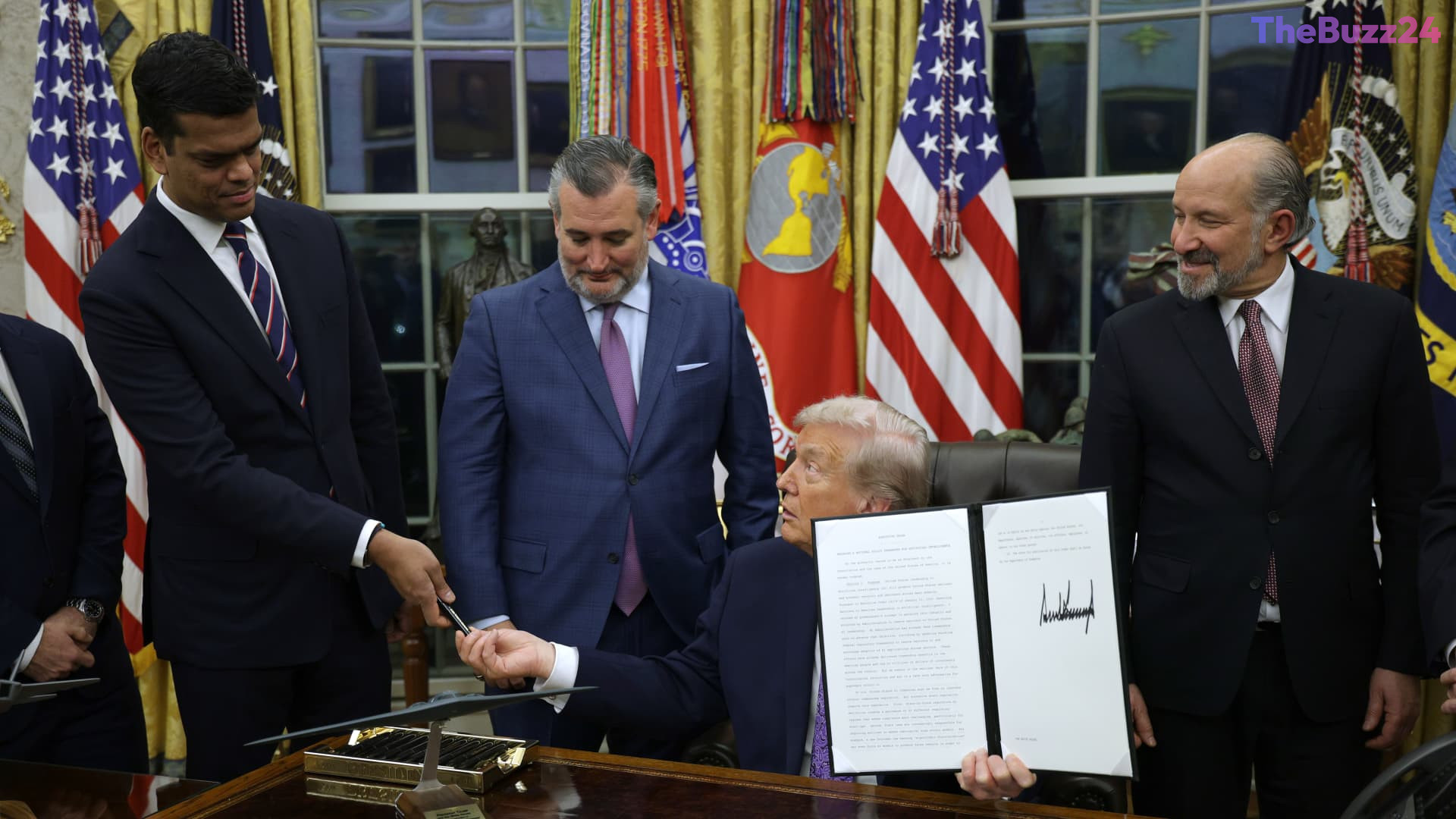
This leadership transition follows the recent issuance of a White House executive order aimed at bolstering AI safety. The directive mandates that federal agencies coordinate with leading AI developers to ensure that the most powerful models undergo rigorous government-led cybersecurity testing prior to public release. While Krishnan has not disclosed the specific reasons for his exit, his departure marks a significant shift in the personnel tasked with navigating the complex intersection of national security and technological innovation.
Key Takeaways
- Sriram Krishnan is stepping down from his role as a White House AI policy adviser at the end of June.
- Krishnan was a key architect in the administration's efforts to build a national regulatory framework for frontier AI technologies.
- The administration recently implemented an executive order requiring voluntary cybersecurity testing for advanced AI models before public deployment.
Editor’s Analysis & Impact
The departure of a high-level AI policy adviser signals a potential transition phase for the administration’s technology agenda. As AI capabilities continue to outpace existing regulatory frameworks, the loss of a key architect could lead to a temporary slowdown in policy implementation or a shift in strategic priorities. The industry is currently at a crossroads where the tension between fostering innovation and ensuring national security is at an all-time high. Moving forward, the administration’s ability to maintain momentum on cybersecurity mandates for AI developers will depend on the swift appointment of a successor who can balance the demands of tech giants with the growing legislative pressure to mitigate systemic risks. The market should anticipate continued volatility in regulatory expectations as the government refines its oversight mechanisms for frontier models.
Frequently Asked Questions
Q: Why is the White House implementing cybersecurity tests for AI models?
A: The government is concerned that powerful AI systems could be used to identify and exploit security weaknesses in critical infrastructure, such as banking and computer networks.
Q: What was Sriram Krishnan's primary role in the administration?
A: Krishnan served as a policy adviser focused on artificial intelligence, specifically working on creating a national framework to regulate the development and deployment of frontier AI technologies.
AI Disclosure: This article is based on verified data and official reports. Our Team and AI have cross-referenced every financial detail with primary sources to ensure total accuracy.
More from this Category