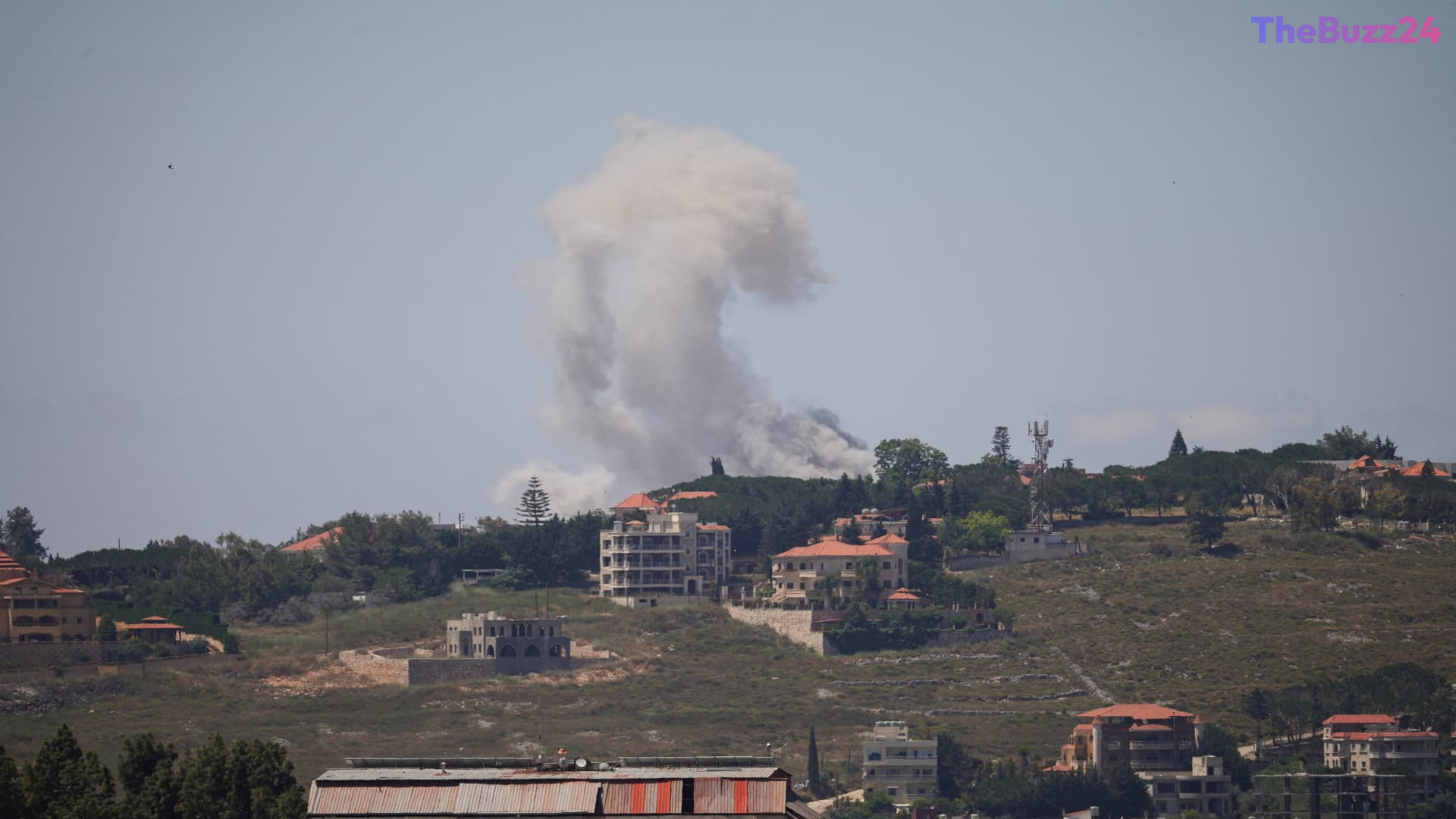
Tensions Escalate in the Gulf as U.S. Strikes Iranian Radar Sites Following Drone Intercepts
Military tensions in the Gulf reached a new peak this weekend after U.S. forces conducted strikes against Iranian coastal radar installations. The operation followed the downing of four Iranian drones that were reportedly tracking maritime traffic near the critical Strait of Hormuz. U.S. Central Command confirmed that the retaliatory strikes targeted surveillance infrastructure at Goruk and Qeshm Island, marking a significant escalation in the ongoing three-month conflict.
In response to the U.S. action, Iranian officials accused Washington of violating an April 8 ceasefire, warning that the United States would face consequences for what they termed illegal military maneuvers. The Iranian Revolutionary Guards claimed to have launched ballistic missiles at U.S. military bases in Kuwait and Bahrain, though U.S. officials reported that these projectiles were successfully intercepted or failed to reach their intended targets. Kuwaiti authorities confirmed that debris from intercepted missiles caused material damage in residential areas, though no casualties were reported.
The broader conflict continues to disrupt global energy markets, as the Strait of Hormuz—a vital artery for approximately 20% of global oil shipments—remains effectively blocked. While Pakistan has stepped in to mediate potential peace talks, with high-level officials traveling to Tehran to deliver messages to the Iranian leadership, a diplomatic breakthrough remains elusive. President Donald Trump has noted that while Iran’s missile and drone capabilities have been significantly degraded, the regime maintains a defiant stance, complicating efforts to reach an interim agreement that would address both the nuclear program and the unfreezing of Iranian assets.
Simultaneously, regional instability has spread to Lebanon, where recent Israeli strikes resulted in the deaths of Lebanese military personnel. The situation is further complicated by the insistence of Iran-aligned Hezbollah that any peace deal must include a ceasefire in Lebanon, a condition that currently clashes with Israeli military objectives and U.S. diplomatic efforts. As the conflict persists, the international community remains concerned about the long-term impact on humanitarian aid, global supply chains, and regional security.
Key Takeaways
- U.S. forces struck Iranian radar sites on Qeshm Island and Goruk after intercepting drones near the Strait of Hormuz.
- Iran retaliated with ballistic missile launches targeting U.S. bases in Kuwait and Bahrain, though most were intercepted by defensive systems.
- Diplomatic mediation by Pakistan is underway, but peace negotiations remain stalled due to conflicting demands regarding sanctions, asset unfreezing, and the conflict in Lebanon.
Editor’s Analysis & Impact
The current escalation in the Gulf represents a precarious inflection point for global energy security and international diplomacy. By targeting radar infrastructure, the U.S. is attempting to degrade Iran’s ability to monitor and threaten maritime traffic, yet this strategy risks a wider regional conflagration. The market impact is immediate, as the continued closure of the Strait of Hormuz keeps upward pressure on oil prices and exacerbates supply chain volatility. Looking ahead, the success of Pakistani-led mediation hinges on whether the U.S. is willing to offer significant economic concessions—such as unfreezing assets—in exchange for a durable ceasefire. However, the entanglement of the Lebanon conflict and Hezbollah’s rejection of U.S.-brokered terms suggests that a comprehensive peace remains unlikely in the near term, pointing toward a prolonged period of geopolitical instability.
Frequently Asked Questions
Q: Why is the Strait of Hormuz significant to the current conflict?
A: The Strait of Hormuz is a critical maritime chokepoint through which approximately one-fifth of the world's oil supply transits. Its blockage by Iran has caused significant disruptions to global energy markets and supply chains.
Q: What is the primary obstacle to a peace deal between the U.S. and Iran?
A: Key obstacles include Iran's demand for the unfreezing of $24 billion in assets and the lifting of sanctions, alongside the complex requirement that any deal must also address the separate conflict between Israel and Hezbollah in Lebanon.
AI Disclosure: This article is based on verified data and official reports. Our Team and AI have cross-referenced every financial detail with primary sources to ensure total accuracy.
More from this Category