Chinese EVs Poised to Enter U.S. Market Through Strategic Partnerships
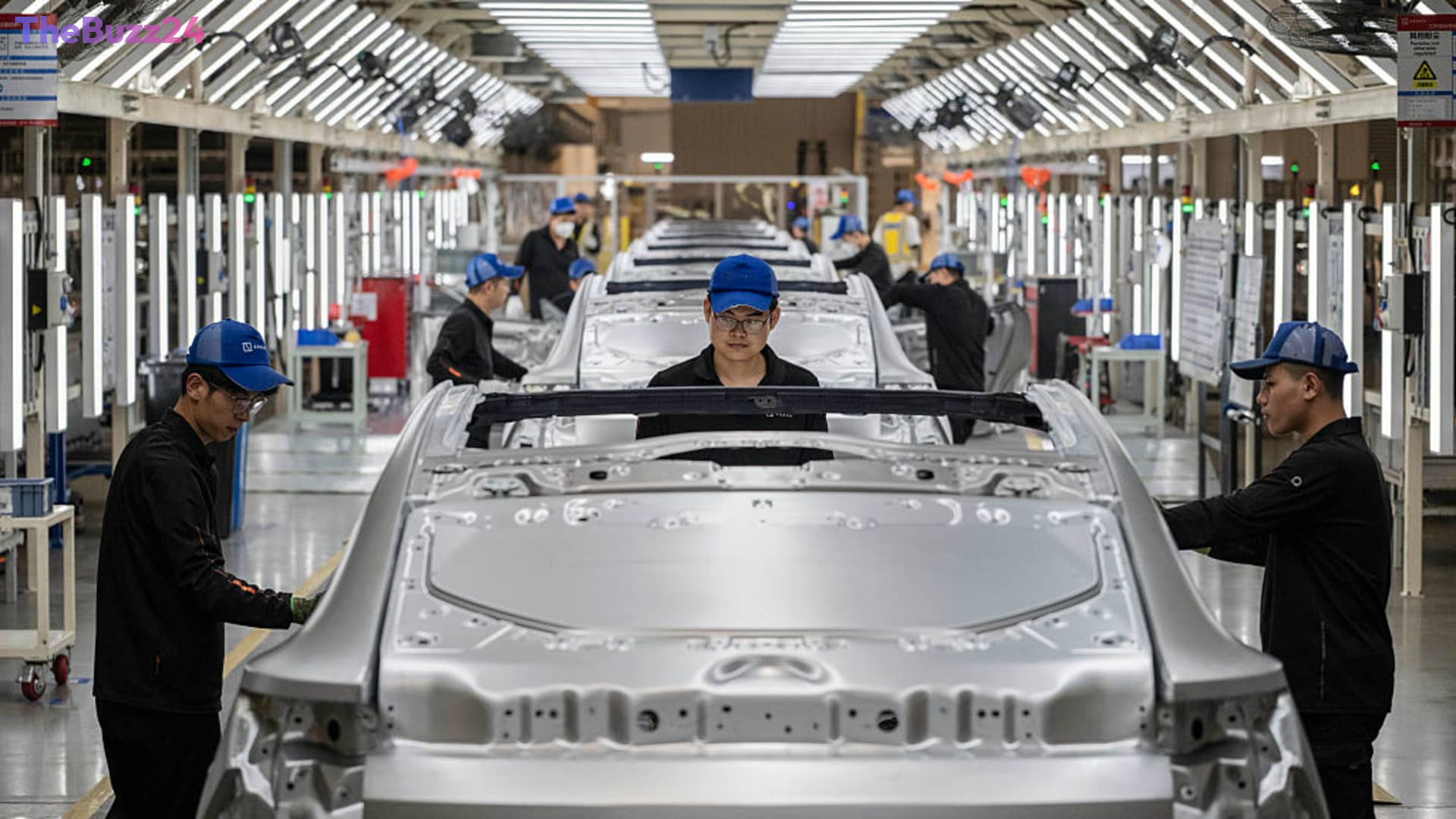
Despite significant trade barriers, stringent regulations, and strong opposition from domestic automakers and lawmakers, Chinese electric vehicles (EVs) are increasingly likely to reach the U.S. market within the next few years. While direct imports face substantial hurdles, including high tariffs and political resistance, a more plausible pathway involves manufacturing within the United States, potentially through joint ventures or acquisitions.
China has aggressively expanded its global EV presence, establishing factories and supply chains across Europe, the UK, Asia, and Australia. Now, the world’s second-largest automotive market, the U.S., is becoming the next frontier. This comes as some U.S. legacy automakers, like General Motors, Ford, and Stellantis, have scaled back their own EV ambitions, citing difficulties in developing cost-effective and compelling value propositions for American consumers. Experts suggest that this strategic retreat could leave them uncompetitive in a future dominated by electric mobility, a market where China is positioning itself for leadership.
Industry analysts point to a “master plan” by China to dominate the global EV sector, encompassing vehicles and battery technology. While direct importation of Chinese-made EVs into the U.S. remains improbable due to existing tariffs and potential legislative bans, collaborations are emerging as a viable strategy. Companies like Ford are reportedly exploring partnerships with Chinese firms, and Stellantis has a significant stake in a Chinese EV manufacturer, with plans to expand production in North America. Even Tesla, despite its own substantial presence in China, faces increasing competition from domestic leaders like BYD.
The U.S. auto industry faces a critical juncture. While some U.S. companies are forging alliances with Chinese counterparts, others are navigating complex trade agreements like the USMCA, which imposes strict North American content requirements for tariff-free entry. The potential for new tariffs and evolving trade policies adds further complexity. However, with a significant portion of Americans expressing interest in purchasing Chinese EVs if given the opportunity, the market pressure for greater accessibility is mounting. The long-term outlook suggests that Chinese EVs will inevitably find a way onto American roads, whether through direct manufacturing, joint ventures, or other strategic maneuvers, potentially reshaping the competitive landscape of the U.S. automotive industry.
Key Takeaways
- Chinese electric vehicles are likely to enter the U.S. market within a few years, primarily through manufacturing partnerships rather than direct imports.
- U.S. automakers are facing increased pressure to remain competitive in the EV space, with some exploring collaborations with Chinese companies.
- Trade policies, tariffs, and North American content requirements under agreements like USMCA present significant challenges and complexities for the potential entry of Chinese EVs.
Editor’s Analysis & Impact
The potential influx of Chinese EVs into the U.S. market signifies a major shift in the global automotive landscape. China’s strategic dominance in EV manufacturing, coupled with the hesitations of some U.S. legacy automakers to fully commit to electrification, creates a unique opportunity for Chinese brands. While direct imports are heavily restricted, the exploration of joint ventures and manufacturing facilities within North America presents a more realistic, albeit complex, path forward. This scenario could lead to increased competition, potentially driving down prices for consumers and accelerating innovation. However, it also raises concerns about national security, intellectual property, and the long-term viability of the domestic auto industry if not managed strategically. The evolving trade policies and regulatory environment will be critical in shaping the ultimate outcome.
Frequently Asked Questions
Q: Are Chinese EVs currently sold in the U.S.?
A: Currently, direct sales of Chinese-manufactured EVs to U.S. consumers are highly restricted due to tariffs and regulations. However, some Chinese brands are already present in North America through manufacturing operations in Mexico and Canada.
Q: What are the main obstacles for Chinese EVs entering the U.S. market?
A: The primary obstacles include substantial tariffs imposed on vehicles manufactured in China, stringent U.S. regulations, opposition from domestic automakers and labor unions, and potential legislative bans. Trade agreements like USMCA also impose strict North American content requirements for vehicles assembled in Mexico or Canada to qualify for preferential tariff treatment in the U.S.
Q: How might Chinese EVs eventually reach the U.S. market?
A: A more likely scenario involves Chinese automakers establishing manufacturing facilities within the U.S., potentially through joint ventures with American companies or by acquiring existing plants. Collaborations and partnerships are seen as a more feasible route than direct imports.
AI Disclosure: This article is based on verified data and official reports. Our Team and AI have cross-referenced every financial detail with primary sources to ensure total accuracy.
More from this Category