OpenAI Launches ‘Lockdown Mode’ to Shield Sensitive Enterprise Data from Prompt Injection Attacks
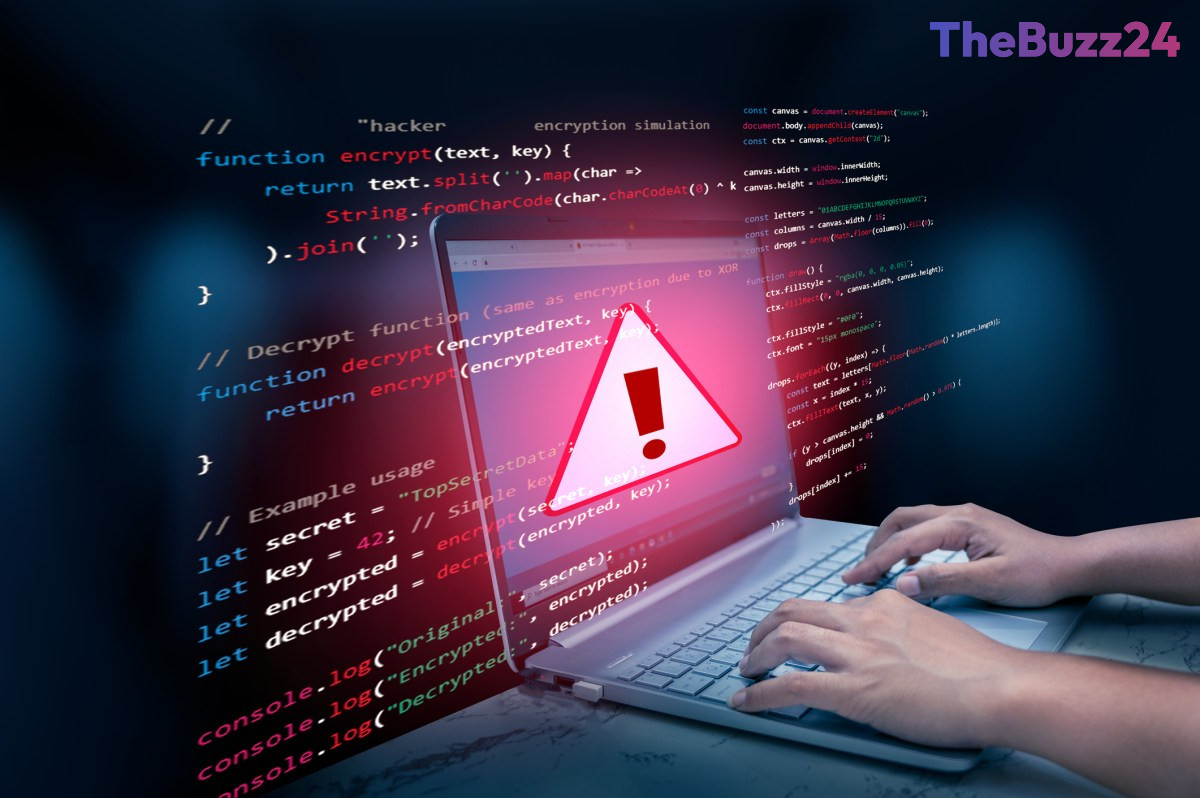
OpenAI has introduced a new security feature called “Lockdown Mode” aimed at mitigating the risks of prompt injection attacks. These cyber threats occur when malicious instructions are embedded within web pages or other external content sources to manipulate AI behavior. The new mode is designed to offer an extra layer of defense for users handling highly confidential information.
When activated, Lockdown Mode restricts several of ChatGPT’s dynamic capabilities. Specifically, it disables live web browsing, limiting the AI to cached web content. It also blocks the retrieval and display of images from the web, though users can still generate new images. Furthermore, advanced features like deep research and agent mode are temporarily disabled under this high-security setting to minimize potential attack vectors.
Despite these stringent restrictions, OpenAI cautioned that Lockdown Mode does not offer absolute immunity. The system could still remain susceptible to prompt injections hidden within cached web data or user-uploaded files, which could potentially compromise the accuracy or behavior of the AI’s responses. Consequently, the feature is positioned not as a universal solution, but as a specialized tool for enterprises and individuals requiring heightened data exfiltration defenses.
The rollout of Lockdown Mode has already commenced, initially targeting self-serve ChatGPT Business accounts alongside select eligible personal accounts. This move highlights a growing industry-wide focus on securing generative AI systems as they become deeply integrated into corporate workflows.
Key Takeaways
- OpenAI's new Lockdown Mode aims to defend against prompt injection attacks by disabling dynamic features like live web browsing and agent mode.
- The feature is specifically tailored for businesses and individuals handling highly sensitive data to prevent data exfiltration.
- Lockdown Mode is currently rolling out to ChatGPT Business accounts and eligible personal users, though OpenAI warns it is not entirely foolproof.
Editor’s Analysis & Impact
The introduction of Lockdown Mode highlights a critical inflection point in the enterprise adoption of generative AI. As businesses increasingly integrate large language models (LLMs) into their daily operations, the attack surface for corporate espionage and data exfiltration has expanded. Prompt injection attacks represent a unique vulnerability where external, untrusted data can hijack an AI’s instructions. By offering a “stripped-down” high-security mode, OpenAI is acknowledging that utility must sometimes be sacrificed for security in corporate environments. This move is likely to set a precedent for other AI developers, signaling that customizable security postures—where users can toggle off high-risk features—will become a standard requirement for enterprise-grade AI software moving forward.
Frequently Asked Questions
Q: What is a prompt injection attack?
A: A prompt injection attack occurs when malicious instructions are hidden within web pages, files, or other external sources. When an AI processes this content, the hidden instructions override its original programming, potentially causing it to leak sensitive data or behave maliciously.
Q: What features are disabled in OpenAI's Lockdown Mode?
A: Lockdown Mode disables live web browsing (restricting access to cached content only), web image retrieval, deep research capabilities, and agent mode. However, users can still generate new images.
Q: Who can access Lockdown Mode?
A: The feature is currently being rolled out to self-serve ChatGPT Business accounts as well as eligible personal accounts.
AI Disclosure: This article is based on verified data and official reports. Our Team and AI have cross-referenced every financial detail with primary sources to ensure total accuracy.
More from this Category