SpaceX Successfully Executes Starship Test Flight, Deploying Next-Generation Satellites
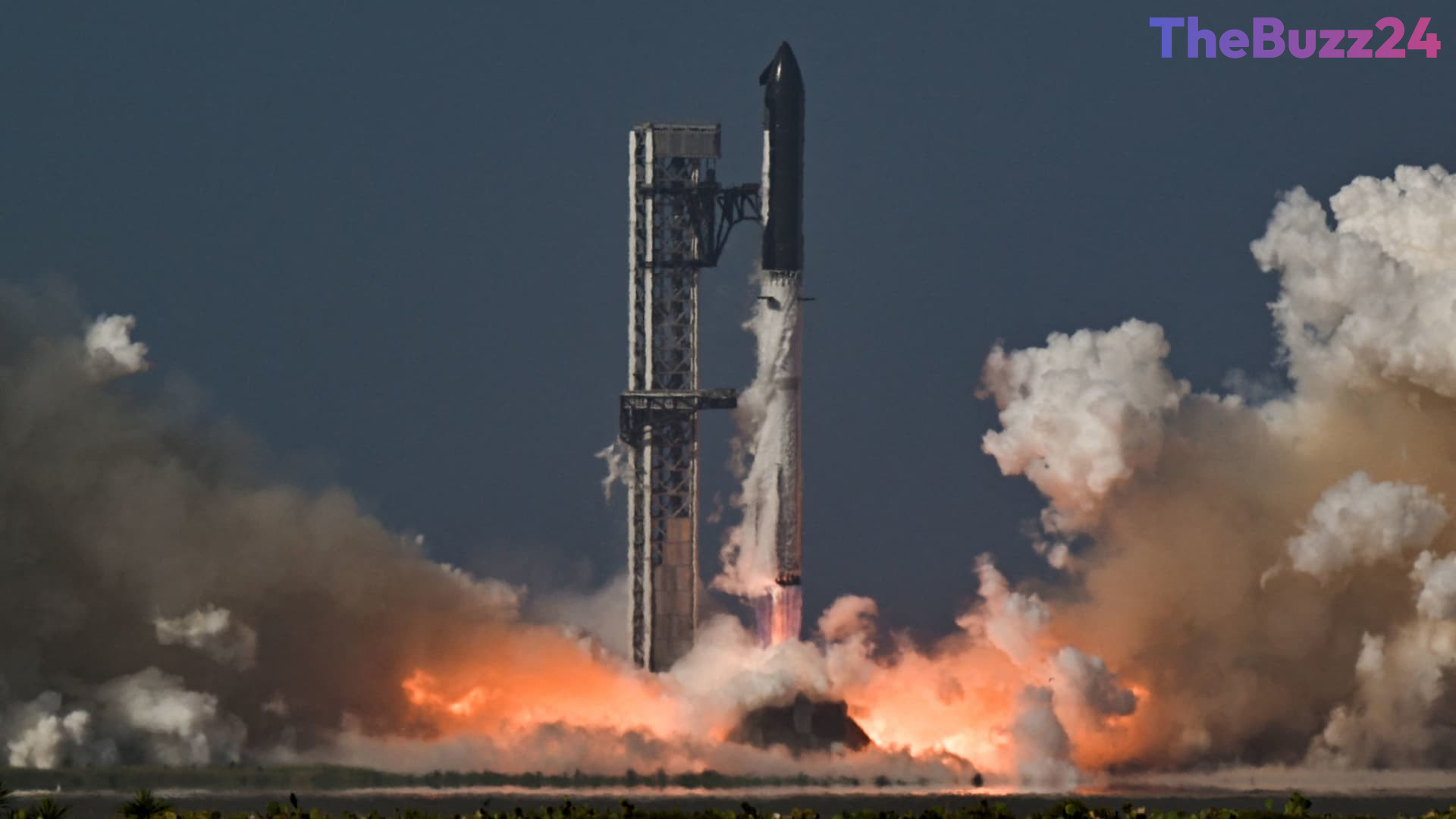
SpaceX achieved a major milestone this week by launching its massive Starship rocket on its 13th test flight from the Starbase facility in Texas. The highly anticipated launch, which followed minor technical and weather-related delays, marks a critical step forward for Elon Musk’s aerospace company as it advances its ambitious commercial and interplanetary strategies.
During the flight, the rocket’s Super Heavy booster separated approximately two minutes after liftoff, executing a controlled descent before experiencing a hard splashdown in the Gulf of Mexico after an engine relight anomaly. Meanwhile, the upper stage of the spacecraft continued onward, successfully achieving a soft splashdown in the Indian Ocean. This milestone allowed engineers to capture vital telemetry and visual data regarding an intact heatshield for the very first time.
A key highlight of the mission was the successful deployment of 20 new Starlink V3 satellites into orbit about 18 minutes into the flight. Manufactured in Washington, these advanced satellites are significantly larger, more powerful, and equipped with enhanced solar arrays designed to generate double the power of previous generations. In addition to expanding the current internet network, SpaceX is looking toward future innovations, including the development of orbital data centers and heavy cargo missions to the Moon and Mars in partnership with NASA.
While the mission demonstrated notable technological progress, industry analysts point out that achieving full and rapid reusability of the massive rocket system still requires further refinement, particularly regarding engine relighting mechanics during landing procedures. As the company prepares for upcoming missions and heavy NASA test flights next year, stakeholders continue to monitor these developments closely amidst a shifting financial landscape for the newly public aerospace enterprise.
Key Takeaways
- SpaceX completed the 13th test flight of its massive Starship rocket from Starbase, Texas.
- The mission successfully deployed 20 next-generation Starlink V3 satellites into orbit for performance evaluation.
- The upper stage achieved a soft splashdown in the Indian Ocean, returning valuable data on an intact heatshield.
Editor’s Analysis & Impact
The successful 13th test flight of SpaceX’s Starship represents a pivotal moment for both commercial satellite deployment and deep-space exploration. By successfully testing the larger Starlink V3 satellites and gathering crucial heatshield data, SpaceX is systematically addressing the engineering hurdles required for full reusability. However, the imperfect booster landing highlights the ongoing technical challenges of scaling orbital launch systems. As the company prepares for upcoming NASA lunar missions and interplanetary ambitions, consistent flight reliability will be essential not only for operational success but also for stabilizing investor confidence following recent stock volatility.
Frequently Asked Questions
Q: What was the main objective of the recent Starship test flight?
A: The primary goals included testing the rocket's structural integrity, evaluating the heatshield upon re-entry, and deploying the new Starlink V3 satellites into orbit.
Q: What is the long-term goal of the Starship rocket program?
A: Starship is designed to be fully reusable to significantly lower the cost of cargo transport, expand the Starlink satellite network, return U.S. astronauts to the Moon, and eventually enable manned missions to Mars.
Q: How did the Super Heavy booster perform during the landing phase?
A: The booster separated successfully and performed a controlled descent, but only a subset of its engines ignited during the landing burn, resulting in a hard splashdown in the Gulf.
AI Disclosure: This article is based on verified data and official reports. Our Team and AI have cross-referenced every financial detail with primary sources to ensure total accuracy.
More from this Category