The Fall of a Giant: How Nokia Lost Its Grip on the Mobile Market
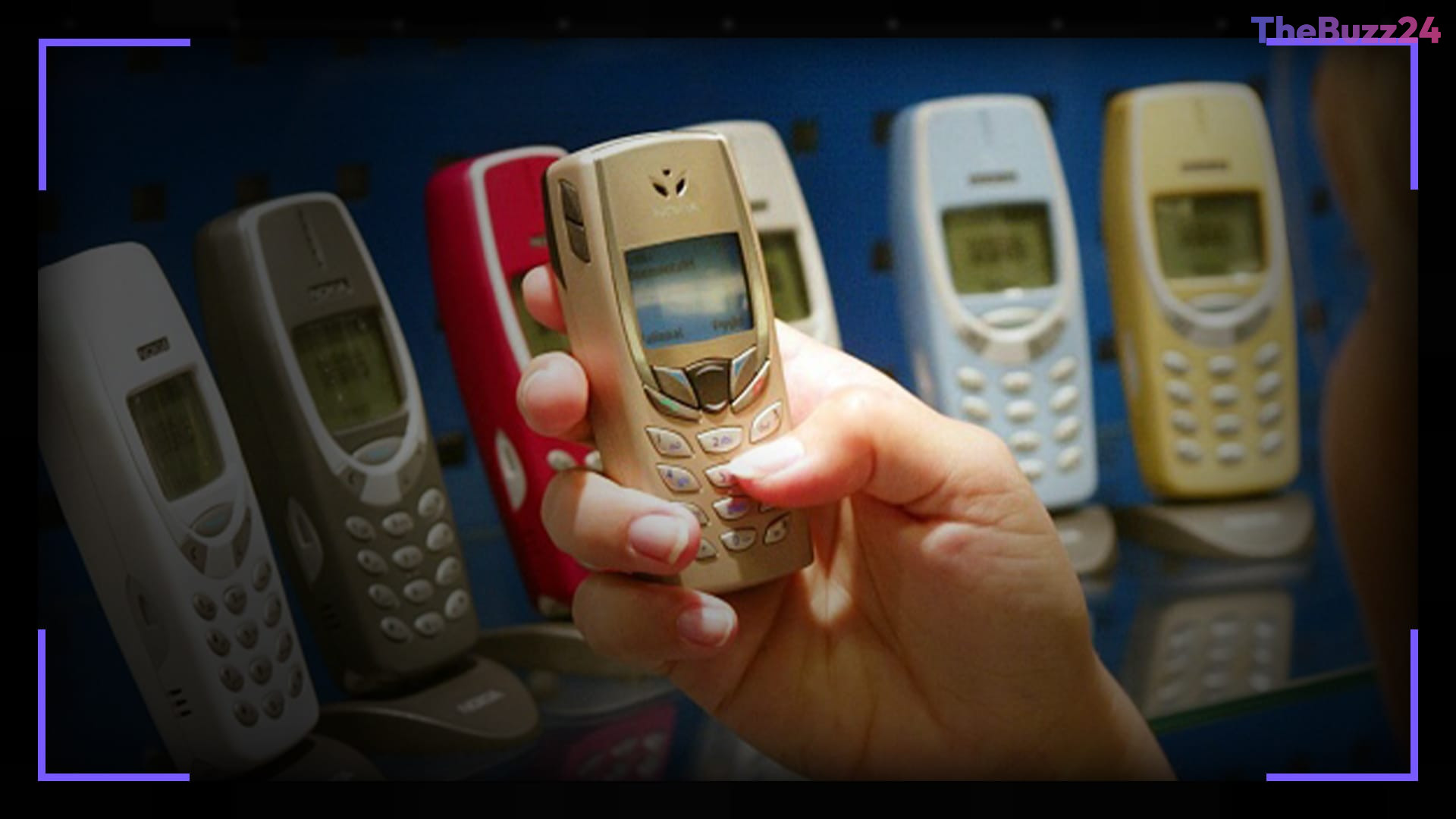
For over a decade, Nokia stood as the undisputed titan of the mobile telecommunications industry. With legendary devices like the 3310 and the 1100, the Finnish manufacturer established a global standard for durability and accessibility, effectively defining the mobile experience for millions of users. At its zenith, the company was not only a household name but also the most valuable corporation in Europe, commanding a massive share of the consumer electronics market.
However, the landscape of the industry shifted dramatically with the advent of the smartphone era. While Nokia continued to prioritize hardware engineering, manufacturing efficiency, and massive product scale, the market began to pivot toward software-centric ecosystems. Competitors like Apple and Google recognized early on that the true value of the smartphone lay in the integration of apps, developer platforms, and seamless digital services rather than just the physical device itself.
This fundamental strategic miscalculation proved to be the turning point for Nokia. By remaining tethered to a hardware-first philosophy, the company struggled to adapt to the rapid evolution of mobile operating systems and the burgeoning app economy. This failure to pivot effectively eroded its market dominance, forcing the organization to undergo a significant transformation to survive in a landscape that had moved beyond the era of simple, durable handsets.
Key Takeaways
- Nokia's historical dominance was built on hardware durability and massive manufacturing scale.
- The company failed to recognize the shift toward software ecosystems and app-driven value propositions.
- Strategic inertia allowed competitors like Apple and Google to capture the smartphone market by prioritizing digital platforms over physical hardware.
Editor’s Analysis & Impact
Nokia’s decline serves as a quintessential case study in the ‘innovator’s dilemma,’ where a market leader becomes so entrenched in its existing business model that it fails to recognize a paradigm shift until it is too late. The transition from feature phones to smartphones was not merely a hardware upgrade; it was a fundamental change in how value was captured in the tech sector. By focusing on the device rather than the ecosystem, Nokia ceded control of the user experience to software giants. This serves as a cautionary tale for modern tech firms: hardware is increasingly becoming a commodity, while the real power lies in the software, data, and services that run on top of that hardware. Nokia’s eventual pivot toward network infrastructure and AI-driven connectivity highlights the necessity of constant self-disruption in the face of technological evolution.
Frequently Asked Questions
Q: Why did Nokia lose its market leadership?
A: Nokia focused too heavily on hardware manufacturing and physical product scale, failing to adapt to the software-centric ecosystem model introduced by Apple and Google.
Q: What was the primary difference between Nokia and its successful smartphone competitors?
A: While Nokia prioritized the physical device, competitors focused on building comprehensive software ecosystems, app stores, and developer platforms that created ongoing value for users.
AI Disclosure: This article is based on verified data and official reports. Our Team and AI have cross-referenced every financial detail with primary sources to ensure total accuracy.
More from this Category