Pentagon Blacklists Alibaba, Baidu, and BYD Over Alleged Chinese Military Ties
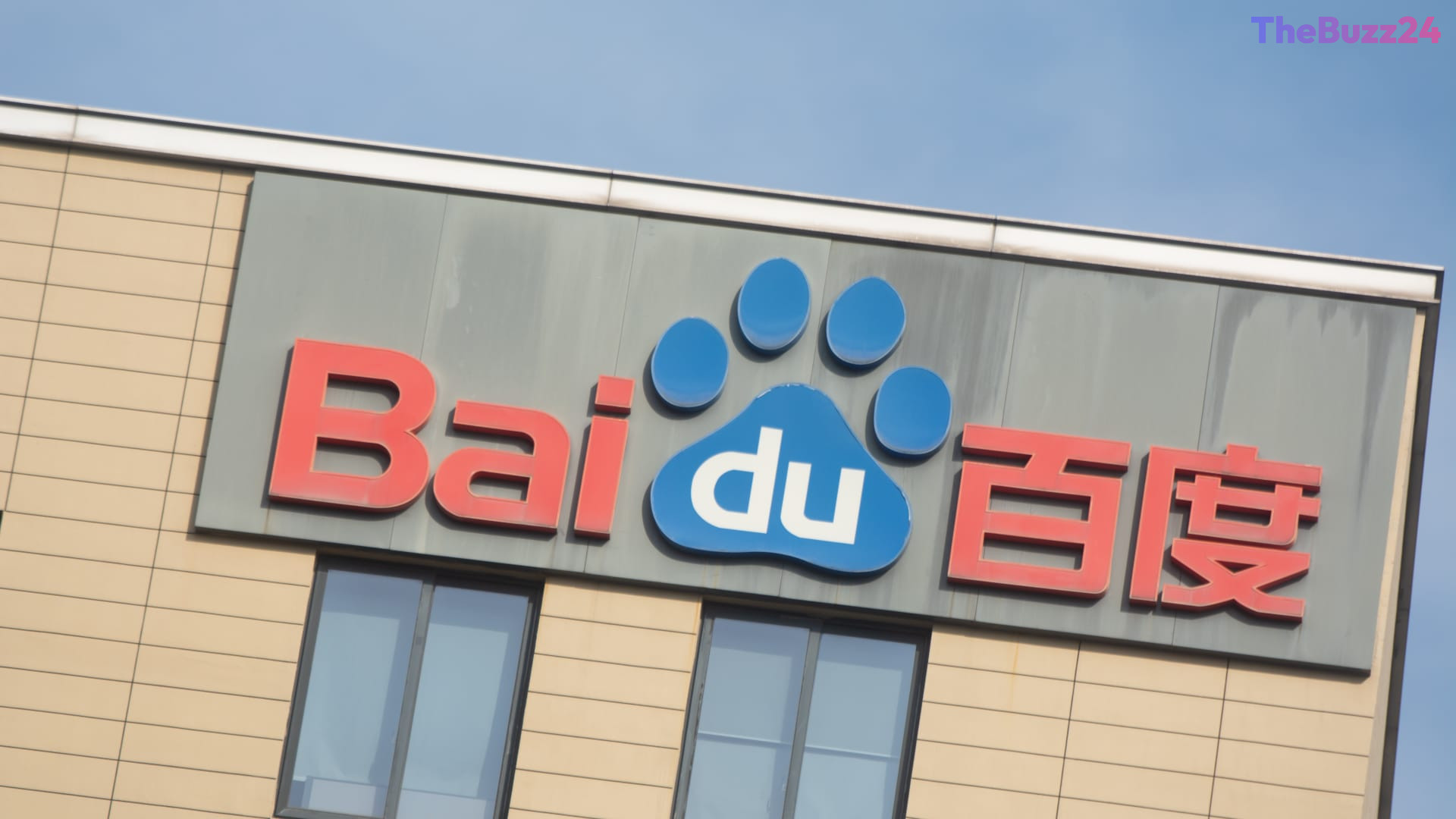
The United States Department of Defense has expanded its list of Chinese entities allegedly linked to Beijing’s military, adding major technology and automotive giants including Alibaba Group, Baidu Inc., and electric vehicle manufacturer BYD. This update to the “1260H list” signals a hardening stance by Washington regarding Chinese technology, which US officials increasingly view as a strategic security threat. The move comes despite a recent trade truce and diplomatic engagements between US President Donald Trump and Chinese President Xi Jinping.
While the designation does not immediately impose financial sanctions, it carries significant operational consequences. Starting later this month, the Pentagon will be barred from contracting directly with any of the listed firms. Furthermore, a broader ban scheduled for June 2027 will prohibit the procurement of their products or services through third-party intermediaries. Industry analysts suggest these indirect restrictions could pressure American defense contractors to sever ties with designated Chinese suppliers to maintain their government contracts.
The updated list also targets other high-tech sectors, including biotechnology firm WuXi AppTec, lidar manufacturer RoboSense Technology, and humanoid robotics developer Unitree. Notably, memory chipmakers CXMT and YMTC were reinstated after being omitted from a briefly posted version of the list earlier this year. The inclusion of these firms underscores Washington’s belief in China’s “military-civil fusion” strategy, which asserts that civilian commercial enterprises are systematically leveraged to bolster the nation’s defense capabilities.
In response, several of the targeted companies have strongly rejected the Pentagon’s designations. Alibaba and Baidu both issued statements denying any military affiliation and pledged to pursue all available legal avenues to challenge the decision. Historically, legal challenges have proven successful; smartphone maker Xiaomi successfully sued the Pentagon in 2021, resulting in its removal from the list.
Key Takeaways
- The US Pentagon has added major Chinese firms, including Alibaba, Baidu, and BYD, to its "1260H list" of military-linked entities.
- Direct contracting with these firms will be banned this month, with a complete third-party procurement ban taking effect by June 2027.
- Affected companies, including Alibaba and Baidu, have strongly denied the allegations and are preparing legal challenges to contest the designations.
Editor’s Analysis & Impact
The Pentagon’s expansion of the 1260H list highlights the deep-seated bipartisan consensus in Washington that Chinese commercial technology poses a fundamental national security risk. By targeting giants in e-commerce, artificial intelligence, electric vehicles, and biotechnology, the US government is effectively drawing a wider perimeter around what it considers sensitive technology. While the immediate financial impact of the listing is somewhat limited compared to direct Treasury sanctions, the long-term reputational and supply chain consequences are profound. US defense contractors and multinational corporations will likely accelerate efforts to decouple their supply chains from these designated entities to avoid future compliance risks. This move also signals that despite high-level diplomatic meetings and temporary trade truces, the underlying technological cold war between the US and China is set to persist, with civilian tech companies remaining on the front lines of geopolitical friction.
Frequently Asked Questions
Q: What is the Pentagon's 1260H list?
A: The 1260H list is a roster maintained by the US Department of Defense identifying companies it believes are operating directly or indirectly in the United States that are deemed 'Chinese military companies' or contributors to China's military-civil fusion strategy.
Q: What are the immediate consequences for the listed companies?
A: While the list does not impose immediate financial or export sanctions, it prohibits the US Defense Department from contracting directly with these companies starting in late June 2024, and bans indirect procurement of their goods and services through third parties starting in June 2027.
Q: Can companies challenge their inclusion on this list?
A: Yes, companies can legally contest the designation. For example, Chinese smartphone manufacturer Xiaomi successfully sued the US government and was removed from the list in May 2021. Both Alibaba and Baidu have indicated they are exploring legal options.
AI Disclosure: This article is based on verified data and official reports. Our Team and AI have cross-referenced every financial detail with primary sources to ensure total accuracy.
More from this Category