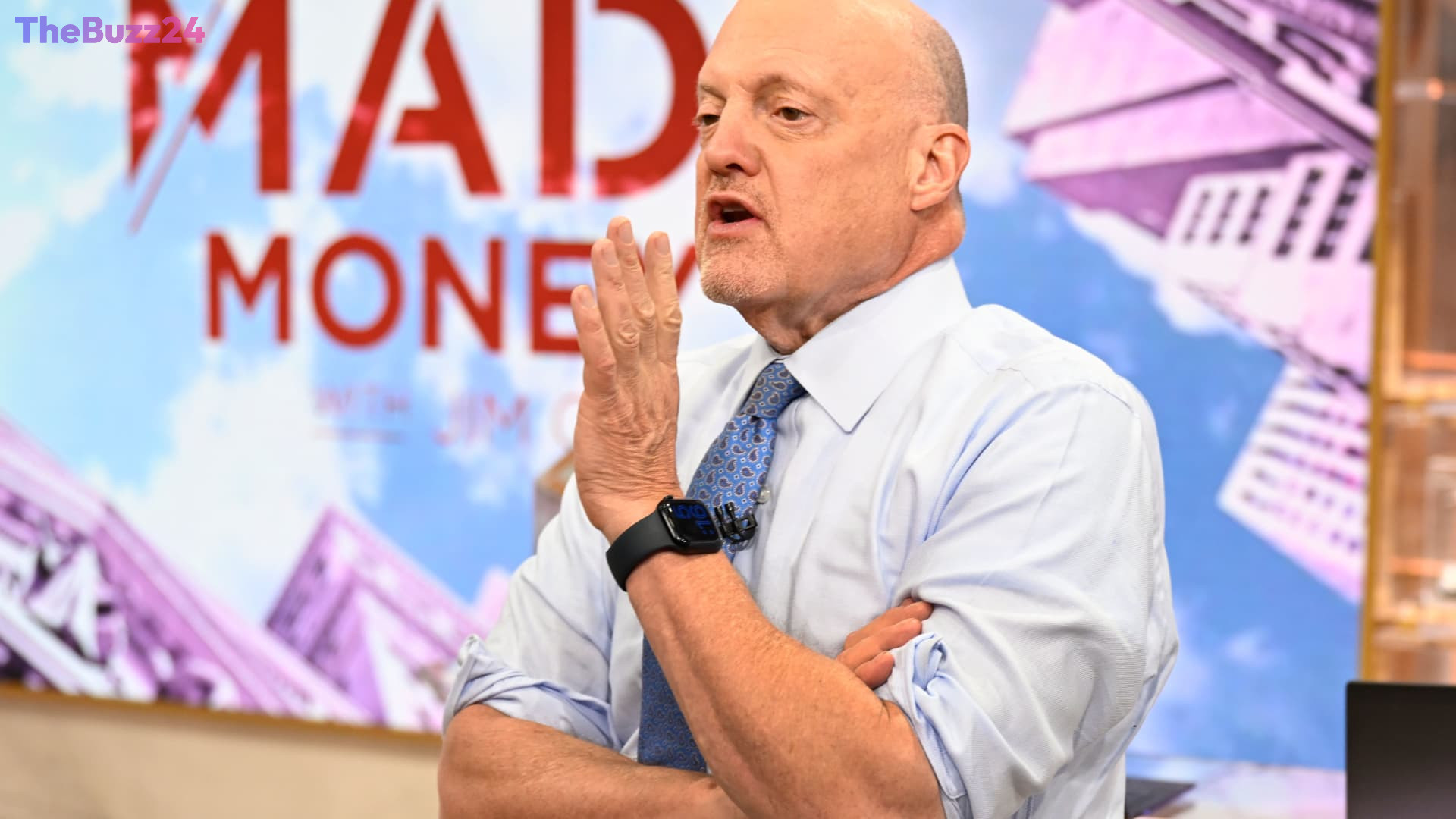
Market Watchdog Jim Cramer Sounds Alarm on Shifting Economic Landscape
Veteran market commentator Jim Cramer has signaled a significant shift in his investment outlook, expressing increased caution regarding the stock market’s current trajectory. Cramer, known for his often bullish stance, indicated that several foundational elements supporting his previous optimism are now facing considerable pressure, prompting a more reserved approach.
Several key developments have contributed to Cramer’s revised perspective. A recent employment report that exceeded expectations has diminished the likelihood of imminent interest rate cuts by the Federal Reserve, a factor previously seen as a significant tailwind for equities. Furthermore, the anticipated initial public offering (IPO) of SpaceX, coupled with notable weakness in Apple’s stock performance and the potential for further equity offerings from artificial intelligence companies, are creating a more complex and uncertain environment for investors.
Cramer highlighted the surprisingly robust jobs data as a primary concern, suggesting it could even lead to discussions of rate hikes rather than cuts to manage economic activity. He also voiced apprehension about the upcoming SpaceX IPO, warning that an overly enthusiastic market reception could lead to an unsustainable valuation, potentially followed by a sharp correction that could negatively impact broader market sentiment. The performance of tech giant Apple, a stock Cramer considers a market leader, has also become a point of concern following its recent developer conference, which did not provide the anticipated boost.
Adding to the market’s headwinds, Cramer pointed to large-scale capital raises by tech firms, such as Alphabet’s substantial equity offering for AI infrastructure. While acknowledging the strategic necessity for such investments, he expressed concern that a wave of similar offerings could divert significant capital away from other market participants, potentially constricting liquidity and hindering the overall market rally. The confluence of these factors—higher potential interest rates, IPO volatility, and increased equity issuance—paints a more challenging picture for the stock market, according to Cramer.
Key Takeaways
- Jim Cramer has become more cautious on the stock market due to several emerging risks.
- A strong jobs report has reduced expectations for Federal Reserve rate cuts, while the SpaceX IPO and Apple's stock performance are causing concern.
- Potential for increased AI-related equity offerings could drain market liquidity, further complicating the outlook.
Editor’s Analysis & Impact
Jim Cramer’s cautious stance reflects a broader sentiment shift potentially brewing in the financial markets. The interplay between persistent inflation, indicated by strong employment data, and the Federal Reserve’s monetary policy decisions creates a delicate balance. The upcoming SpaceX IPO and the performance of major tech stocks like Apple serve as critical bellwethers for investor confidence and market liquidity. A potential surge in AI-driven equity offerings could signal both innovation and a risk of market saturation, impacting capital allocation across sectors. This period demands careful navigation as investors weigh growth prospects against macroeconomic uncertainties and potential liquidity crunches.
Frequently Asked Questions
Q: What specific economic data has made Jim Cramer more cautious?
A: Jim Cramer cited a surprisingly strong jobs report as a key factor. This data suggests the economy may be too robust for the Federal Reserve to consider cutting interest rates, and could even warrant a rate hike.
Q: What are the main concerns regarding the SpaceX IPO?
A: Cramer's concern is that the SpaceX IPO might open at an unsustainably high valuation due to high demand and limited available shares. He worries this could lead to a significant price drop after the initial surge, negatively impacting market sentiment.
Q: How might AI-related equity offerings affect the market?
A: Cramer believes that a wave of equity offerings from companies investing heavily in artificial intelligence could drain liquidity from the broader market. This could make it harder for other companies to raise capital and potentially dampen overall market performance.
AI Disclosure: This article is based on verified data and official reports. Our Team and AI have cross-referenced every financial detail with primary sources to ensure total accuracy.
More from this Category