China’s Humanoid Robot Surge: Ambitious Production Goals Meet Uncertain Demand
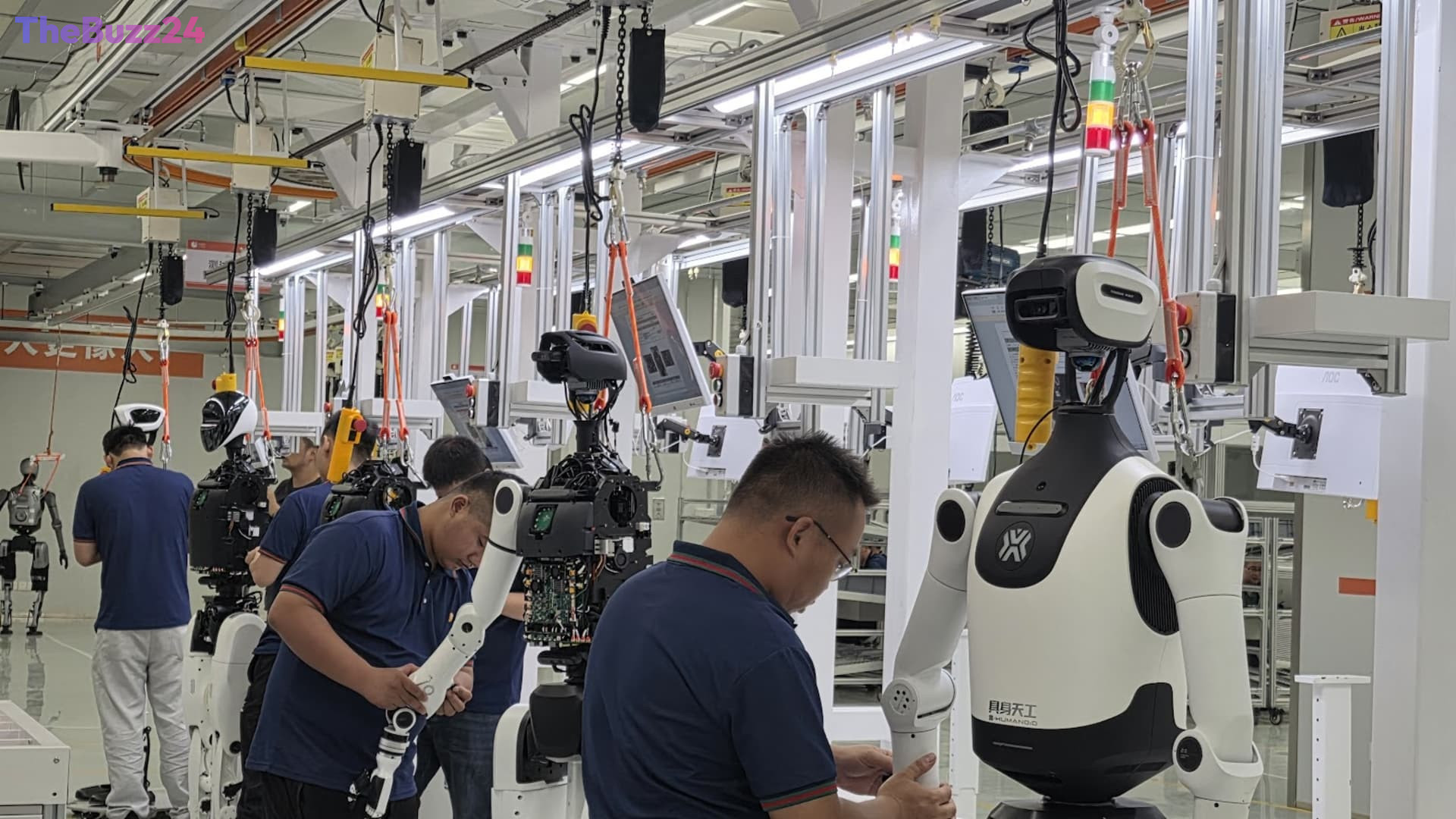
A burgeoning humanoid robot manufacturing sector in China is setting aggressive production targets, with one Beijing-based factory aiming to produce 10,000 units this year and scale up to half a million annually by 2030. This rapid expansion, spearheaded by electronics manufacturer Lingyi iTech, could significantly reduce the current price point of approximately $30,000 per robot. The ambition is clear: to make humanoid robots more accessible through mass production.
Despite the impressive manufacturing strides, a significant question looms over the industry: who are the buyers? While over 100 Chinese startups are developing a range of humanoid robots, from child-sized dancers to adult-sized package sorters, the current market appears hesitant. Analysts note that most orders consist of only one or two units, making repeat business a critical indicator for the sector’s long-term viability. Government initiatives, including a dedicated robot showroom featuring various models, aim to stimulate demand, but the broad definition of ‘humanoid’ in these displays highlights the evolving nature of the technology and its potential applications.
Beyond hardware, the integration of sophisticated software is emerging as a crucial differentiator. Experts emphasize that true ’embodied intelligence’ relies on the seamless convergence of artificial intelligence and robotics. Companies like UBTech and Fourier are already offering open-source software solutions, while tech giants such as Nvidia are entering the fray with dedicated robotics systems for developers. This focus on software, coupled with advancements in manufacturing, affordable components, and data collection for AI training, underscores the development of a complex ecosystem rather than just a single product. China’s push in this sector is not only domestic; companies are looking towards international markets, with some already deriving substantial revenue from overseas sales, indicating global implications for the future of robotics.
While the rapid development and government backing paint a picture of China’s technological prowess, concerns about a potential market bubble persist. The industry’s trajectory is closely watched, with the interplay between ambitious production, software innovation, and genuine market demand poised to determine which players will ultimately succeed in the global race for humanoid robotics.
Key Takeaways
- A Chinese factory aims to drastically increase humanoid robot production, potentially halving prices through economies of scale.
- The primary challenge for the burgeoning industry is identifying and securing a substantial customer base beyond initial, small-scale orders.
- Software integration and AI capabilities are considered critical for the success and 'intelligence' of future humanoid robots, with major tech companies entering the space.
Editor’s Analysis & Impact
The aggressive production scaling by Chinese humanoid robot manufacturers signals a significant push towards making advanced robotics more affordable and accessible. However, the industry faces a critical juncture where production capacity outpaces clear market demand. The success of this sector will hinge not only on manufacturing efficiency but critically on the development of compelling use cases and robust software ecosystems that justify the investment for businesses and consumers. The involvement of major tech players like Nvidia suggests a strategic move to dominate the underlying AI and software infrastructure, which could shape the competitive landscape. This race for market share, fueled by government support and technological ambition, has the potential to redefine industrial automation and service robotics globally, though the risk of a market correction remains a significant concern.
Frequently Asked Questions
Q: What is the current price range for humanoid robots being discussed?
A: The humanoid robots discussed are currently priced around $30,000, with projections suggesting this price could be halved as production scales significantly.
Q: What are the main challenges facing China's humanoid robot industry?
A: The primary challenges include securing a consistent and substantial customer base, as current orders are often small. Additionally, the integration of advanced software and AI is crucial for the robots' functionality and market appeal, and there are concerns about a potential market bubble.
Q: How is China supporting the development of humanoid robots?
A: Chinese authorities are actively promoting the industry through initiatives like robot showrooms and government-backed data collection centers for AI training. The sector also benefits from government support aimed at showcasing China's technological capabilities.
AI Disclosure: This article is based on verified data and official reports. Our Team and AI have cross-referenced every financial detail with primary sources to ensure total accuracy.
More from this Category