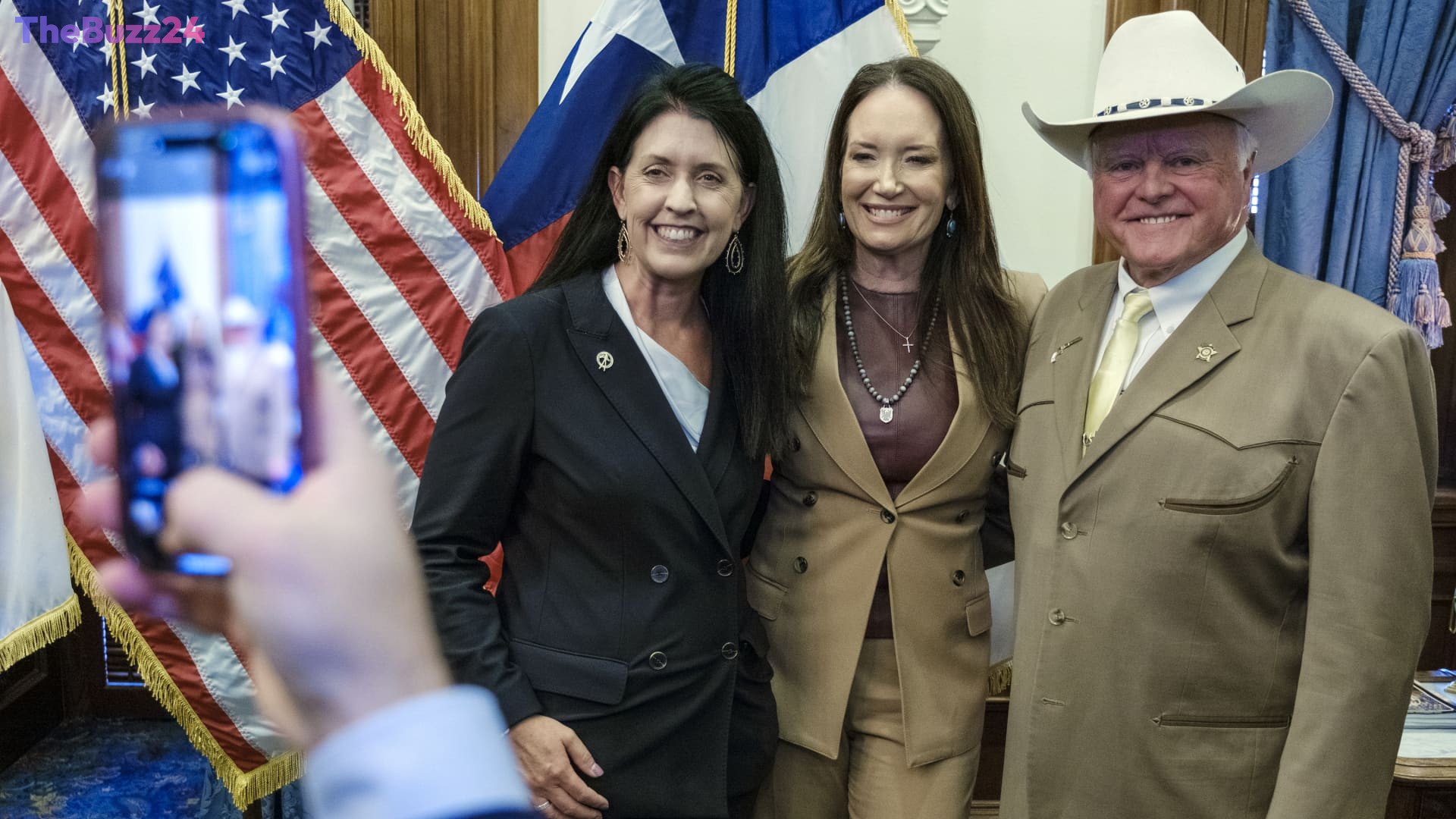
USDA Secretary Blasts Texas Ag Chief Over Screwworm Response
Agriculture Secretary Brooke Rollins has publicly criticized Texas Agriculture Commissioner Sid Miller, labeling his remarks about the federal response to a parasitic outbreak as “unserious” and “dangerous.” The exchange highlights a significant rift between the nation’s top agricultural official and the head of the agency in the state currently grappling with the New World Screwworm.
Miller, who has been vocal about his dissatisfaction, claims the U.S. Department of Agriculture (USDA) acted too slowly to contain the flesh-eating pest after its detection in Texas last week. He has advocated for a specific response mechanism, the Screwworm Adult Suppression System (SWASS), which he argues the USDA has overlooked. Miller’s criticism comes despite the USDA’s ongoing efforts, which include releasing sterile flies to disrupt the pest’s reproductive cycle and implementing quarantine measures, a strategy that successfully eradicated the pest in the 1960s.
The dispute also occurs against the backdrop of the Trump administration’s efforts to manage the outbreak, which poses a threat to the already strained cattle herd and could potentially drive up beef prices. Rollins, herself a Texan, dismissed Miller’s concerns, particularly his suggestion that ranchers might hesitate to report infestations due to fears of government-imposed quarantines. She characterized such statements as politically motivated, noting Miller’s recent primary election loss and his history of making “crazy ideas.”
Miller, a former rodeo cowboy and a staunch supporter of President Trump, had previously received the President’s endorsement. His public criticism of the USDA’s handling of the screwworm situation represents a rare rebuke of the administration from a close ally. The USDA is urging cattle producers to report any suspected cases immediately, emphasizing that early detection is crucial for treatment and that the pest, while a threat to livestock, does not pose a risk to food safety.
Key Takeaways
- USDA Secretary Brooke Rollins has sharply criticized Texas Agriculture Commissioner Sid Miller's comments on the federal response to a screwworm outbreak.
- Miller alleges the USDA was too slow and is not using his preferred containment method, SWASS, while Rollins dismisses his claims as unserious.
- The dispute occurs as the USDA races to contain the pest, which threatens the cattle industry and could impact beef prices.
Editor’s Analysis & Impact
This public spat between high-ranking agricultural officials underscores the challenges in coordinating responses to agricultural threats, especially when political undercurrents are involved. The screwworm outbreak, while treatable, poses a significant economic risk to the U.S. cattle industry. The differing approaches and public criticisms highlight potential inefficiencies in crisis management. The USDA’s commitment to “Trump speed” in addressing the issue, including facility upgrades, suggests a recognition of the urgency. However, the political friction could complicate public trust and cooperation, potentially impacting the effectiveness of containment efforts and the long-term outlook for livestock producers.
Frequently Asked Questions
Q: What is the New World Screwworm?
A: The New World Screwworm is a parasitic fly whose larvae feed on living flesh. It lays eggs in the open wounds of warm-blooded animals, including livestock like cattle. If left untreated, it can be deadly to the host animal.
Q: What is the USDA's current strategy to combat the screwworm?
A: The USDA is implementing a strategy similar to the one used to eradicate the pest in the 1960s. This includes releasing sterile male flies that mate with wild females, producing infertile eggs, and deploying quarantine zones, increased trapping, surveillance, and outreach efforts.
Q: Does the screwworm pose a threat to human food safety?
A: No, the screwworm pest does not represent a threat to food safety. While it is dangerous to livestock, affected animals can be treated if detected early enough.
AI Disclosure: This article is based on verified data and official reports. Our Team and AI have cross-referenced every financial detail with primary sources to ensure total accuracy.
More from this Category