General Motors Pivots to Sodium-Ion Batteries to Power AI Infrastructure and Grid Storage
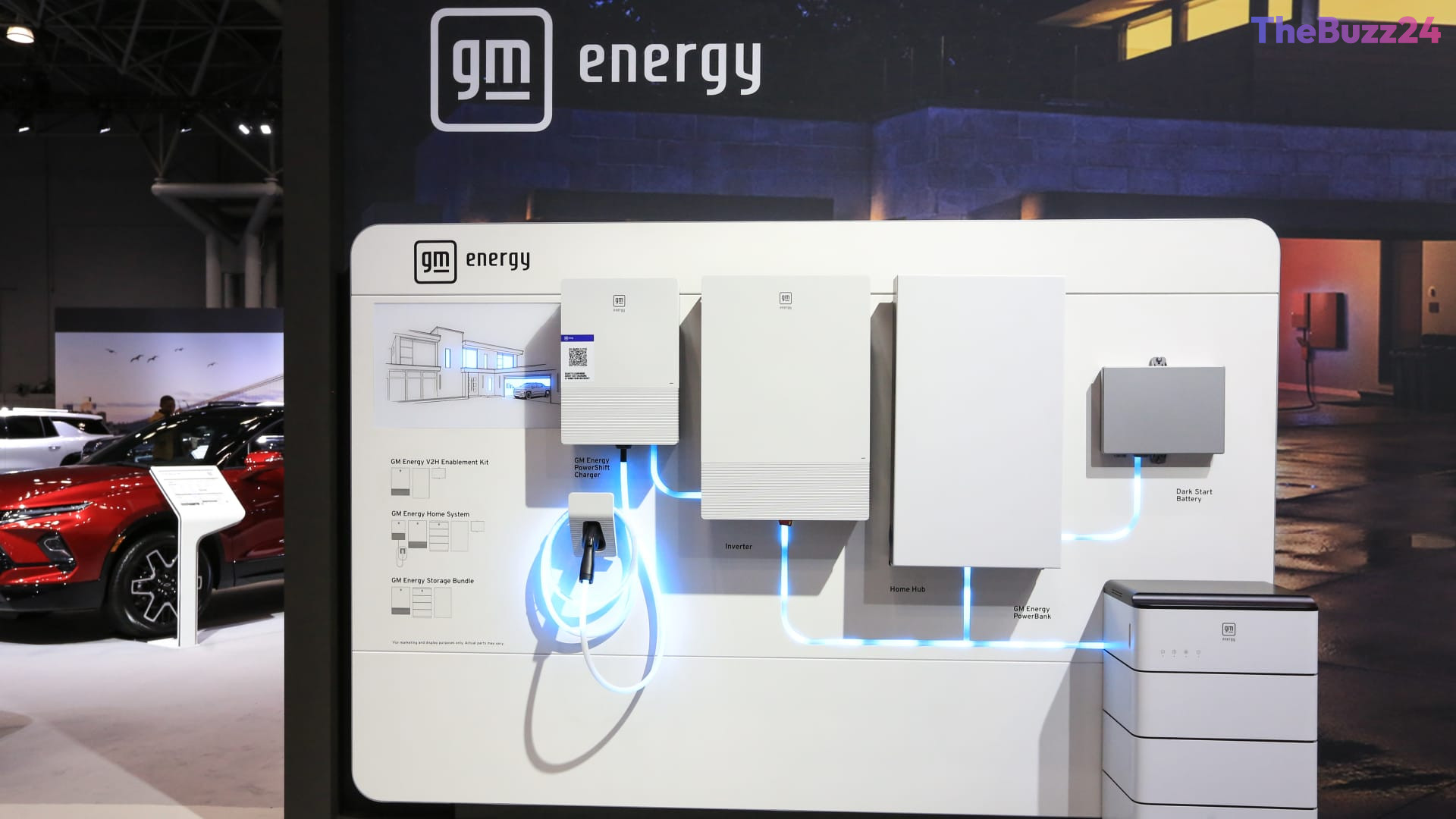
General Motors is aggressively expanding its footprint in the energy sector, aiming to capitalize on the surging demand for data centers and grid-scale storage driven by the artificial intelligence boom. By diversifying its battery technology portfolio, the automaker is moving beyond traditional electric vehicle manufacturing to position itself as a key player in the infrastructure required to support modern energy needs.
Central to this strategy is the development of next-generation sodium-ion batteries, a technology GM believes will significantly reduce costs and complexity in energy storage systems. Unlike traditional lithium-based batteries, sodium-ion cells can potentially operate without active cooling systems, offering a more efficient and affordable solution for large-scale energy management. To accelerate this, GM has entered a strategic partnership with Denver-based startup Peak Energy, with the goal of bringing these cells to market after 2028.
Beyond new battery chemistries, the company is doubling down on vehicle-to-grid (V2G) technology. By enabling electric vehicles to feed power back into the grid or supply homes during peak demand, GM aims to provide its customers with a hedge against rising electricity costs. The company is currently coordinating with utility providers in California and Michigan to integrate these services, while simultaneously rolling out an ‘Energy Pass’ to streamline public charging access for its EV fleet.
These initiatives arrive as the automotive industry faces pressure to maximize the utility of multibillion-dollar battery production facilities. By leveraging existing joint ventures for lithium iron phosphate (LFP) production and exploring future-facing sodium-ion solutions, GM is attempting to transform its energy division into a critical component of its long-term growth strategy, effectively bridging the gap between consumer transportation and industrial power infrastructure.
Key Takeaways
- GM is partnering with Peak Energy to develop sodium-ion batteries, which promise lower costs and reduced system complexity for grid-scale storage.
- The company is expanding vehicle-to-grid (V2G) capabilities to allow EV owners to offset rising electricity costs by feeding power back into the grid.
- GM is diversifying its battery strategy to include LFP and sodium-ion technologies to support the massive energy demands of the growing AI data center market.
Editor’s Analysis & Impact
General Motors’ strategic pivot represents a broader industry trend where automakers are evolving into energy management companies. As the AI revolution necessitates a massive expansion of data center infrastructure, the demand for reliable, cost-effective, and scalable energy storage has reached a critical inflection point. By investing in sodium-ion technology, GM is betting on a future where battery storage is not just an automotive component, but a foundational element of the national power grid. This move helps the company mitigate the risks associated with the slower-than-expected adoption of consumer EVs by repurposing its manufacturing capacity for the industrial energy sector. If successful, this diversification could provide a significant hedge against geopolitical supply chain risks and fluctuating consumer demand, ultimately transforming GM’s business model from a pure-play automaker into a diversified energy infrastructure provider.
Frequently Asked Questions
Q: Why is GM focusing on sodium-ion batteries?
A: Sodium-ion batteries are expected to be cheaper and less complex than traditional batteries because they may not require active cooling systems, making them ideal for large-scale energy storage.
Q: What is the benefit of GM's vehicle-to-grid (V2G) initiative?
A: V2G technology allows EV owners to send stored energy from their vehicle batteries back to the grid or their homes during peak hours, which can help reduce personal energy costs and support grid stability.
AI Disclosure: This article is based on verified data and official reports. Our Team and AI have cross-referenced every financial detail with primary sources to ensure total accuracy.
More from this Category