The High-Stakes Engineering Hurdles Behind the SpaceX IPO
As SpaceX prepares for its highly anticipated public offering, investor enthusiasm remains high despite significant skepticism regarding the company’s aggressive valuation. With institutional interest reportedly driving an over-subscribed offering, the market is betting heavily on Elon Musk’s vision. However, financial analysts have raised concerns, noting that the company’s current valuation—pegged by bankers at nearly $1.8 trillion—far exceeds independent assessments, which range between $825 billion and $1.2 trillion. The discrepancy largely hinges on the company’s pivot toward orbital data centers and enterprise AI, a move that introduces substantial risk compared to its established space launch and satellite internet businesses.
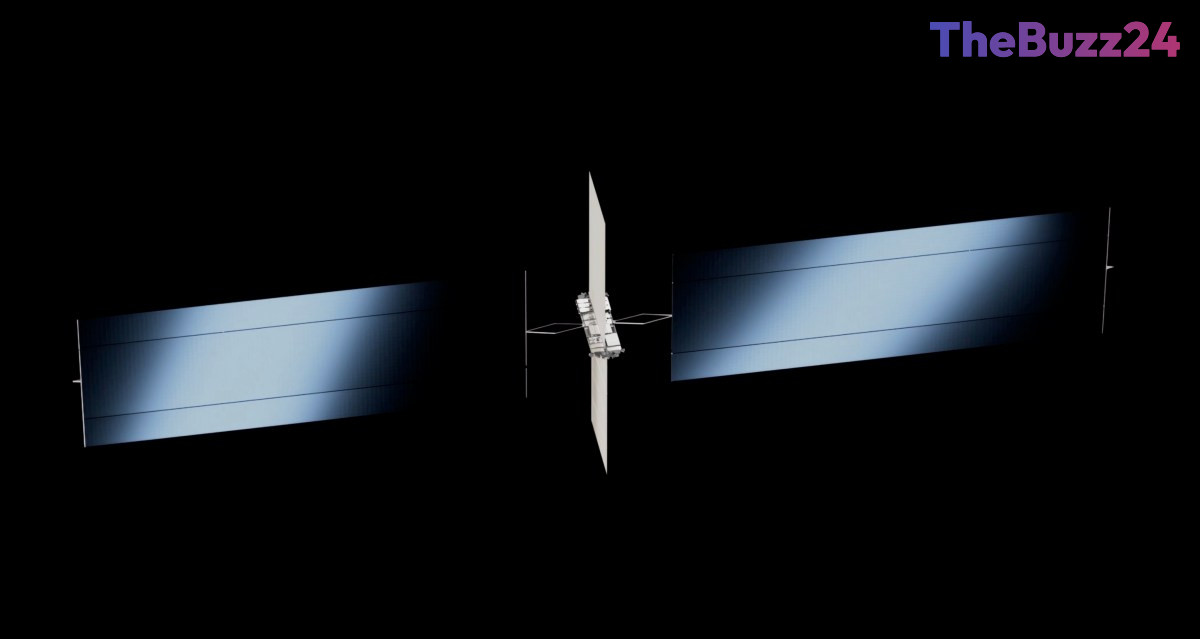
To achieve its ambitious goals, SpaceX must overcome three monumental engineering challenges: perfecting fully reusable rocket technology, constructing a domestic chip foundry, and rapidly scaling satellite production. Musk has outlined a vision for space-based AI compute that requires a production rate of over 500 satellites per month—a significant leap from current Starlink manufacturing capabilities. Furthermore, the company’s plan to establish a domestic chip foundry, known as Terafab, represents an industrial undertaking that typically requires years of development and billions in capital, adding another layer of complexity to the firm’s roadmap.
Central to this strategy is the Starship launch vehicle, which is essential for the economic deployment of these orbital assets. While recent test flights have shown progress, the program still faces regulatory scrutiny and technical hurdles regarding rapid reusability. As the company transitions into the public markets, investors are essentially purchasing a stake in a unique, albeit unproven, infrastructure play. Whether SpaceX can successfully integrate its space monopoly with a high-stakes AI compute business remains the defining question for the company’s long-term viability.
Key Takeaways
- SpaceX is entering the public market with a valuation that significantly exceeds independent financial assessments from firms like Morningstar.
- The company's growth strategy relies on three massive engineering feats: fully reusable rockets, a new domestic chip foundry, and a massive increase in satellite production.
- Analysts remain divided on whether SpaceX can successfully pivot from a space launch provider to a dominant player in the AI compute and data center market.
Editor’s Analysis & Impact
The SpaceX IPO represents a watershed moment for the intersection of aerospace and artificial intelligence. By attempting to position itself as a ‘neocloud’ provider, SpaceX is challenging the traditional tech stack, betting that orbital compute will eventually become a necessity for frontier AI models. However, the market impact is double-edged: while the company holds a near-monopoly on space access, the capital-intensive nature of building chip foundries and high-frequency satellite constellations creates a massive burn rate. If Musk fails to meet his aggressive production timelines, the stock could face significant volatility. Conversely, if the company succeeds, it will effectively own the infrastructure layer of the next generation of AI, creating a moat that few competitors could hope to bridge. Investors should view this as a long-term, high-risk infrastructure play rather than a traditional tech stock.
Frequently Asked Questions
Q: What are the primary risks associated with the SpaceX IPO?
A: The primary risks include the company's aggressive valuation, the technical difficulty of achieving rapid rocket reusability, the immense capital required for chip manufacturing, and the uncertainty surrounding the profitability of its AI compute business.
Q: Why is the Starship vehicle critical to SpaceX's future?
A: Starship is essential because it is designed to be a fully reusable rocket capable of carrying the massive payload of satellites and compute hardware required for Musk's orbital data center vision at a cost-effective price point.
AI Disclosure: This article is based on verified data and official reports. Our Team and AI have cross-referenced every financial detail with primary sources to ensure total accuracy.
More from this Category