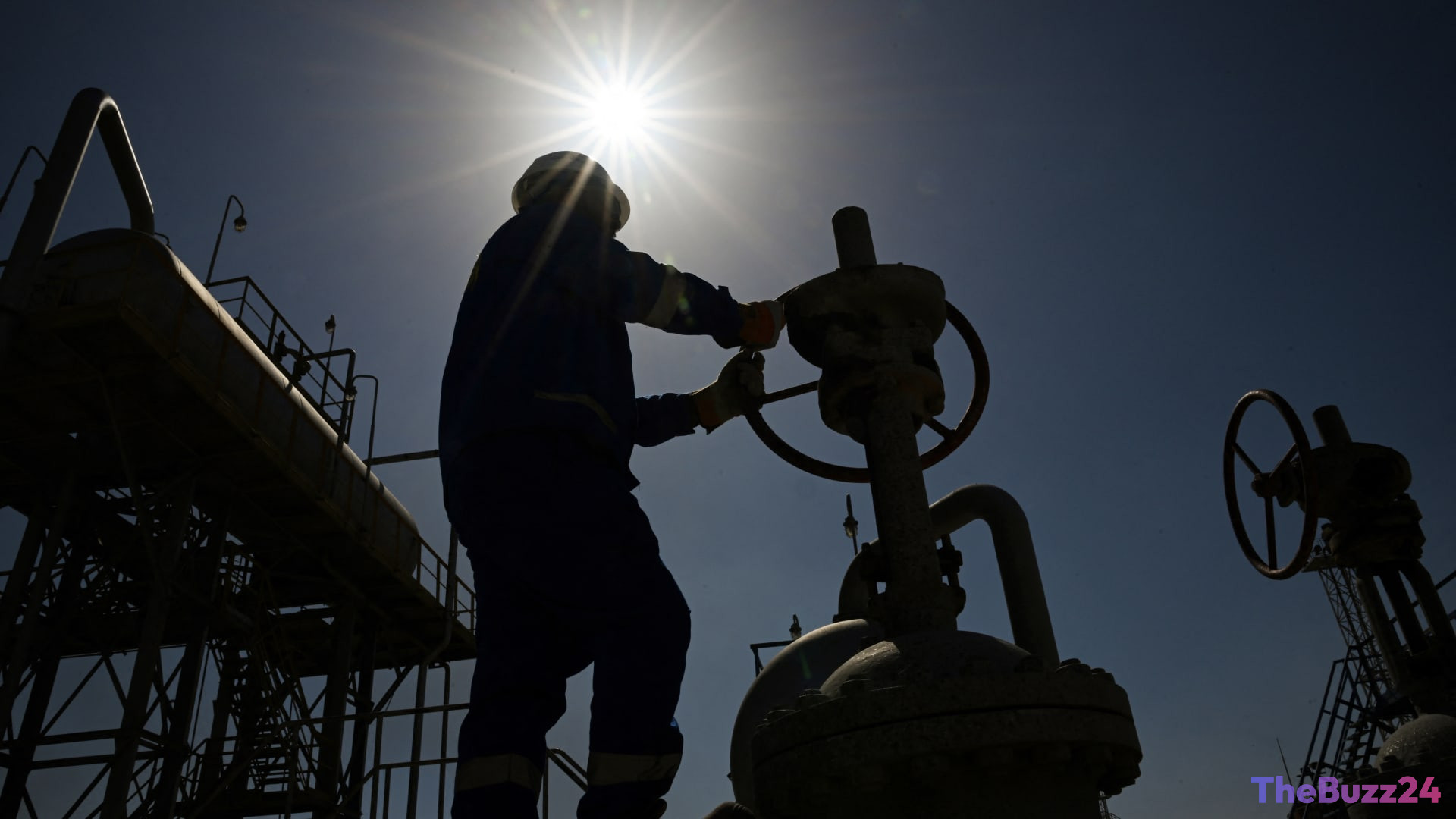
Middle East Tensions Drive Oil Prices Higher Amid Escalating U.S.-Iran Conflict
Global oil prices experienced an upward surge on Thursday as military tensions between the United States and Iran intensified, contributing to a broader flare-up across the Middle East. The escalation saw U.S. crude oil futures for July delivery climb by 0.88% to $90.82 per barrel, while the international benchmark Brent for August delivery gained 0.66% to reach $93.7 per barrel.
The latest round of hostilities commenced with the United States launching a series of military strikes against targets within Iran. In response, Iranian state media, including the Tasnim news agency, reported that Tehran had targeted several U.S. military facilities in allied nations, specifically mentioning Ali Salem and Ahmad al-Jaber air bases in Kuwait, and Sheikh Issa air base in Bahrain. Bahraini authorities later confirmed their air defense systems had successfully intercepted and neutralized Iranian aerial threats. This tit-for-tat exchange followed earlier U.S. strikes on Iranian military infrastructure, which U.S. Central Command stated were ordered by President Donald Trump to counter threats to American forces and commercial shipping.
The regional impact of the escalating conflict was immediate and widespread. Kuwait took the precautionary measure of closing its airspace and reported intercepting projectiles. Simultaneously, Israel issued warnings regarding potential launches from Lebanon directed towards communities in its northern region. U.S. Central Command further elaborated on its actions, stating on X that American forces initiated additional self-defense strikes against multiple targets in Iran, citing Iran’s “unwarranted and continued aggression.” Concurrently, Iranian state media claimed missile and drone attacks were carried out against U.S. vessels operating in the critical Strait of Hormuz.
Despite the immediate market reaction, energy consultancy Rystad Energy offered a nuanced perspective, suggesting the global oil market is better positioned to absorb disruptions now than during past crises. This resilience is attributed to factors such as record U.S. crude exports, a softening in Chinese demand, and the availability of alternative export routes that reduce reliance on the Strait of Hormuz. However, Jorge Leon, a senior vice president at the consultancy, cautioned that the prospects for a near-term diplomatic resolution have diminished, leaving oil prices susceptible to significant volatility as investors weigh the potential for the current hostilities to either remain contained or evolve into a more protracted conflict.
Key Takeaways
- Global oil prices surged following an escalation of military actions between the United States and Iran, alongside heightened regional tensions.
- The conflict involved U.S. strikes on Iranian targets and reported Iranian retaliatory attacks on U.S. military facilities in Kuwait and Bahrain, leading to regional airspace closures and defense responses.
- Despite the immediate price hike, analysts suggest the oil market is better equipped to handle disruptions due to factors like increased U.S. crude exports and alternative shipping routes, though significant volatility is anticipated.
Editor’s Analysis & Impact
The recent escalation in U.S.-Iran tensions has immediately injected a geopolitical risk premium into global oil prices, leading to a noticeable uptick in both U.S. crude and Brent benchmarks. This volatility underscores the energy market’s sensitivity to Middle East stability, potentially impacting global inflation and economic growth if sustained. While Rystad Energy’s analysis suggests a more resilient market due to diversified supply and softer demand, the lack of diplomatic progress means future price swings are highly probable. The broader implications extend beyond energy, threatening regional security, international trade routes, and potentially prompting a re-evaluation of global supply chain vulnerabilities. Businesses reliant on stable energy costs should brace for continued uncertainty, and policymakers will face renewed pressure to de-escalate tensions to prevent a wider economic fallout.
Frequently Asked Questions
Q: Why did global oil prices increase?
A: Global oil prices rose due to escalating military actions between the United States and Iran, coupled with heightened geopolitical tensions across the broader Middle East region.
Q: What specific events contributed to the escalation?
A: The escalation was triggered by U.S. military strikes on Iranian targets, followed by reported Iranian retaliatory attacks on U.S. military facilities in Kuwait and Bahrain. This also led to regional responses such as Kuwait closing its airspace and Israel issuing warnings.
Q: How prepared is the oil market for these disruptions?
A: While immediate price increases occurred, some analysts, like Rystad Energy, suggest the market is better positioned than in past crises. This is attributed to factors such as record U.S. crude exports, softer Chinese demand, and the availability of alternative shipping routes, though significant price volatility is still expected.
AI Disclosure: This article is based on verified data and official reports. Our Team and AI have cross-referenced every financial detail with primary sources to ensure total accuracy.
More from this Category