Screwworm Scare: USDA Secretary’s Messaging Shift Amidst U.S. Infestation
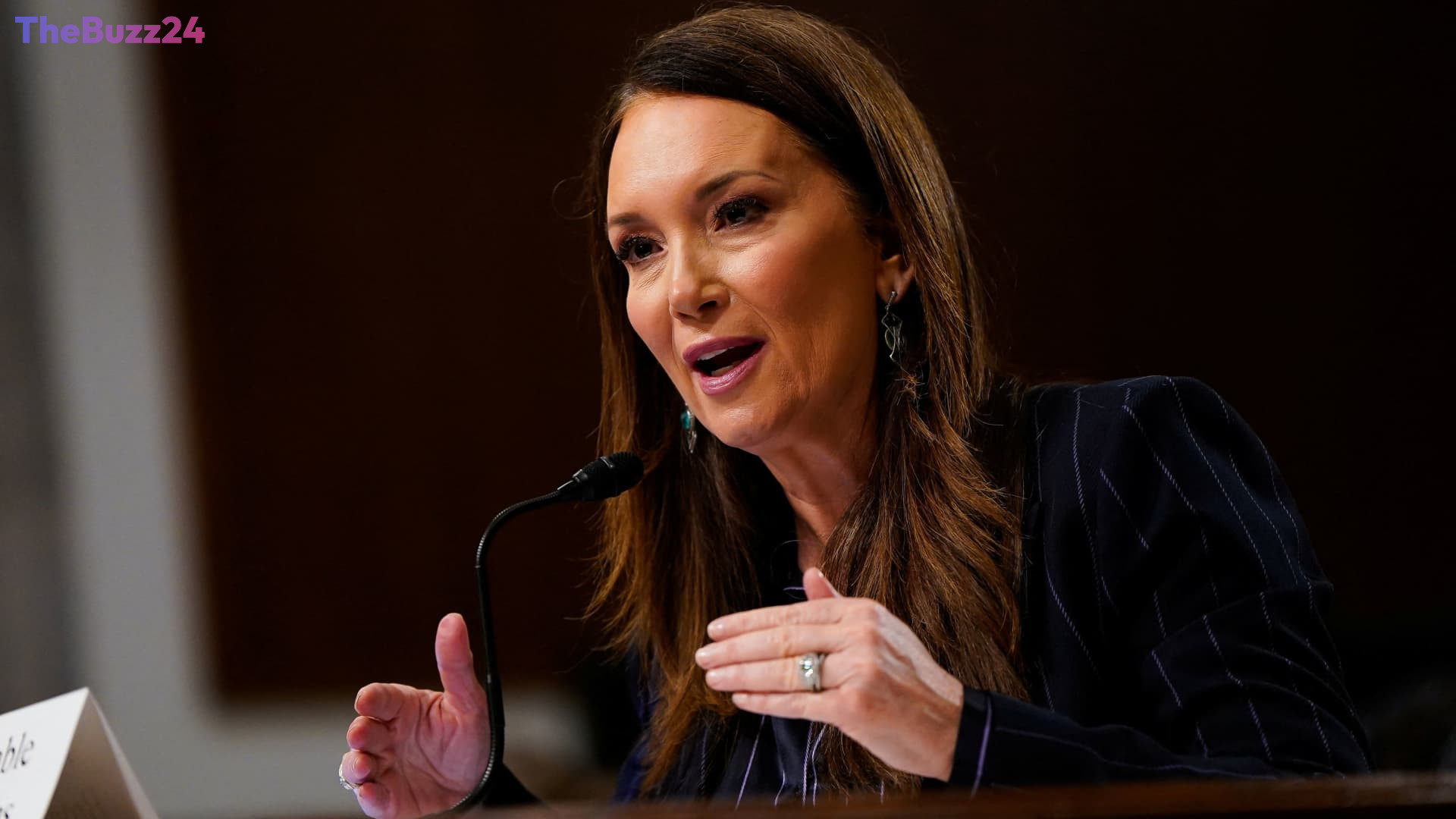
Agriculture Secretary Brooke Rollins has recently described the New World screwworm, a flesh-eating parasite, as a “little pest.” This characterization marks a notable shift from her previous descriptions, where she referred to the same parasite as “terrifying” just last year. This change in rhetoric offers insight into how the U.S. Department of Agriculture (USDA) is navigating the current screwworm threat now that it has been detected within the United States.
The reappearance of the screwworm in the U.S. comes at a time of significant economic pressure, with concerns that the pest could exacerbate already high beef prices. Secretary Rollins has been actively engaging with the public and media to reassure citizens that the USDA is managing the situation effectively and that the nation’s food supply is not at risk. She has also pointed to the current administration’s immigration policies, particularly concerning the southern border, as a contributing factor to the parasite’s re-entry into the U.S.
In contrast to her current messaging, Rollins previously expressed greater alarm about the screwworm’s potential impact. Last September, she warned on Fox News that the parasite’s spread from Central America was “terrifying” at a time when the U.S. beef supply was already at a 75-year low, potentially leading to further price increases for consumers. Similarly, in May 2025, she testified before a Senate hearing, labeling screwworm as a “major threat” that could severely damage the American cattle industry. This past Wednesday, she reiterated her stance at another Senate hearing, emphasizing that while the development is serious, the administration was prepared.
The political discourse surrounding the outbreak has also intensified, with Democrats criticizing the Trump administration and Secretary Rollins for what they term “incompetence” and “reckless cuts” that have left the food supply vulnerable. The USDA is currently implementing containment strategies, including the release of sterile flies to disrupt the screwworm’s reproductive cycle, quarantine zones, and increased surveillance. While experts believe the containment protocols are appropriate, they stress the importance of public cooperation in reporting any sightings to prevent a larger infestation.
Key Takeaways
- Agriculture Secretary Brooke Rollins has altered her public messaging regarding the New World screwworm, shifting from 'terrifying' to 'little pest'.
- The screwworm infestation poses a threat to U.S. beef prices, which are already high due to inflation and a low cattle supply.
- The USDA is employing sterile fly releases and quarantine measures to contain the outbreak, while political debate continues over the cause and response.
Editor’s Analysis & Impact
The contrasting public statements from Secretary Rollins highlight the delicate balance between reassuring the public and acknowledging a genuine agricultural threat. The screwworm’s re-emergence underscores the interconnectedness of global trade, border security, and domestic food supply chains. As the U.S. grapples with inflation, any disruption to the cattle industry could have significant economic repercussions, potentially impacting consumer prices for years. The effectiveness of the USDA’s sterile fly program will be crucial in determining whether this outbreak remains contained or escalates into a costly national issue, with broader implications for agricultural policy and international trade.
Frequently Asked Questions
Q: What is the New World screwworm?
A: The New World screwworm is the larval stage of a parasitic fly that lays its eggs in the open wounds of warm-blooded animals. The larvae then feed on the host's flesh, which can cause severe damage or death, particularly to livestock like cattle.
Q: How is the USDA attempting to control the screwworm infestation?
A: The USDA is using a biological control method involving the release of sterile male screwworm flies. These sterile flies mate with wild female screwworm flies, producing infertile eggs and thus disrupting the pest's reproductive cycle. Additionally, the agency is implementing quarantine zones, increased surveillance, and public outreach to report cases.
Q: Can screwworm affect humans or the human food supply?
A: While screwworm primarily affects animals, it can occasionally infest human wounds. However, it is not a disease transmissible through meat consumption. The primary concern for the food supply is the potential economic impact on the cattle industry, leading to shortages and higher prices.
AI Disclosure: This article is based on verified data and official reports. Our Team and AI have cross-referenced every financial detail with primary sources to ensure total accuracy.
More from this Category