Social Security Administration Reports Record-Low Phone Wait Times Amid Lawmaker Skepticism and Staffing Cuts
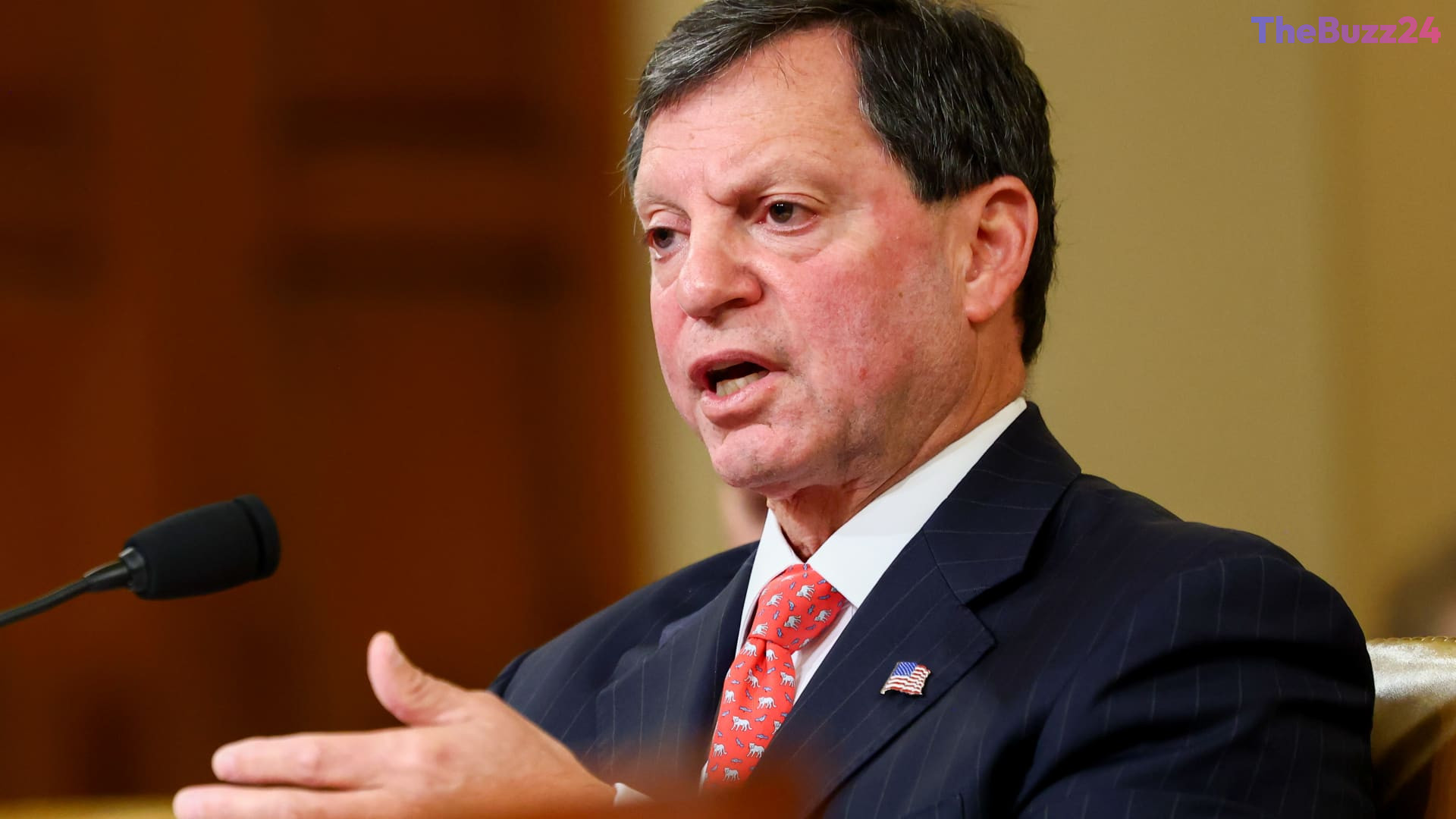
The Social Security Administration (SSA) has achieved a significant milestone in customer service, reducing average phone wait times on its toll-free helpline to their lowest levels in a decade. During a recent congressional testimony before the House Ways and Means subcommittee, SSA Commissioner Frank Bisignano announced that the average time to answer incoming calls dropped to under five minutes in May. This represents a dramatic 89% reduction from the peak wait time of 42 minutes recorded in fiscal year 2024, signaling a major shift in how the agency manages its massive volume of public inquiries.
Bisignano, a former global payments executive at Fiserv who was appointed by President Donald Trump to bring a private-sector business approach to the agency, attributed the improvements to a new telecommunications platform and strategic staff realignments. This operational overhaul comes during a period of significant transition for the SSA, which has seen its workforce shrink by more than 8,000 employees between January 2025 and April 2026. Despite these staffing reductions, which were aligned with broader federal efficiency initiatives, the agency expects to handle over 800 million customer interactions this year, serving a population of over 300 million Americans.
Despite the optimistic metrics, several lawmakers expressed skepticism during the hearing regarding the true quality of the customer experience. Representative Gwen Moore raised concerns about inconsistent service and the impact of shifting personnel on local offices. Meanwhile, Representative Judy Chu questioned the validity of the data, pointing out that callers who opt for a callback are recorded as having a “zero-minute” wait time under industry standards, despite potentially waiting much longer to actually speak with an agent. Bisignano defended the methodology as standard practice and disputed independent oversight reports claiming callback wait times averaged nearly two hours, asserting instead that the actual callback delay is under 30 minutes.
Key Takeaways
- The Social Security Administration reported that average helpline wait times fell to under five minutes in May, a decade low and an 89% drop from fiscal year 2024 peaks.
- Commissioner Frank Bisignano, appointed to bring corporate efficiency to the agency, attributed the progress to a new telecom platform and staff restructuring despite losing over 8,000 employees.
- Members of Congress questioned the metrics, highlighting that the 'zero-minute' wait time classification for callback requests may mask longer actual delays for citizens.
Editor’s Analysis & Impact
The dramatic reduction in SSA wait times highlights a growing trend of applying private-sector efficiency models to legacy government agencies. By leveraging modern telecommunications infrastructure and aggressive staff reallocation, the SSA has managed to process record volumes of interactions even amidst substantial workforce reductions. However, this corporate-style optimization faces a critical test regarding public transparency. The controversy over how callback wait times are calculated underscores a deeper tension between administrative metrics and actual citizen experience. If staffing cuts continue to outpace technological gains, the agency risks creating a bottleneck where automated efficiency overshadows personalized, high-quality service. Moving forward, the SSA must balance these quantitative achievements with qualitative measures to ensure that vulnerable populations, who rely heavily on direct human interaction for critical benefits, are not left behind by rapid digitization.
Frequently Asked Questions
Q: How did the Social Security Administration reduce its phone wait times so significantly?
A: The agency achieved the reduction through the implementation of a new telecommunications platform, strategic staff realignments, and optimizing agent availability during peak calling hours.
Q: Why are some lawmakers skeptical of the reported five-minute average wait time?
A: Lawmakers pointed out that the data counts callers who request a callback as having a 'zero-minute' wait time, which is an industry standard but may hide the actual hours-long delay before a representative calls them back.
Q: How have recent staffing changes affected the Social Security Administration?
A: The SSA lost over 8,000 employees between January 2025 and April 2026. While leadership maintains that technological upgrades have offset these losses, critics and advocates worry that reduced staffing could compromise service quality at local field offices.
AI Disclosure: This article is based on verified data and official reports. Our Team and AI have cross-referenced every financial detail with primary sources to ensure total accuracy.
More from this Category