Trump’s Inflation Reversal: A New Era for Federal Reserve Policy Under Warsh?
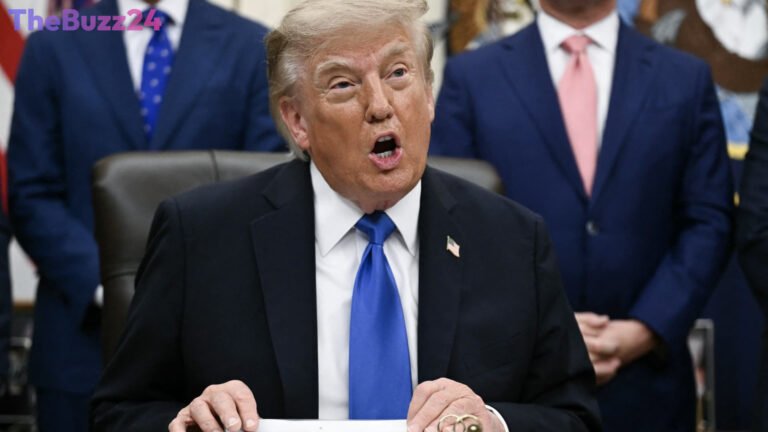
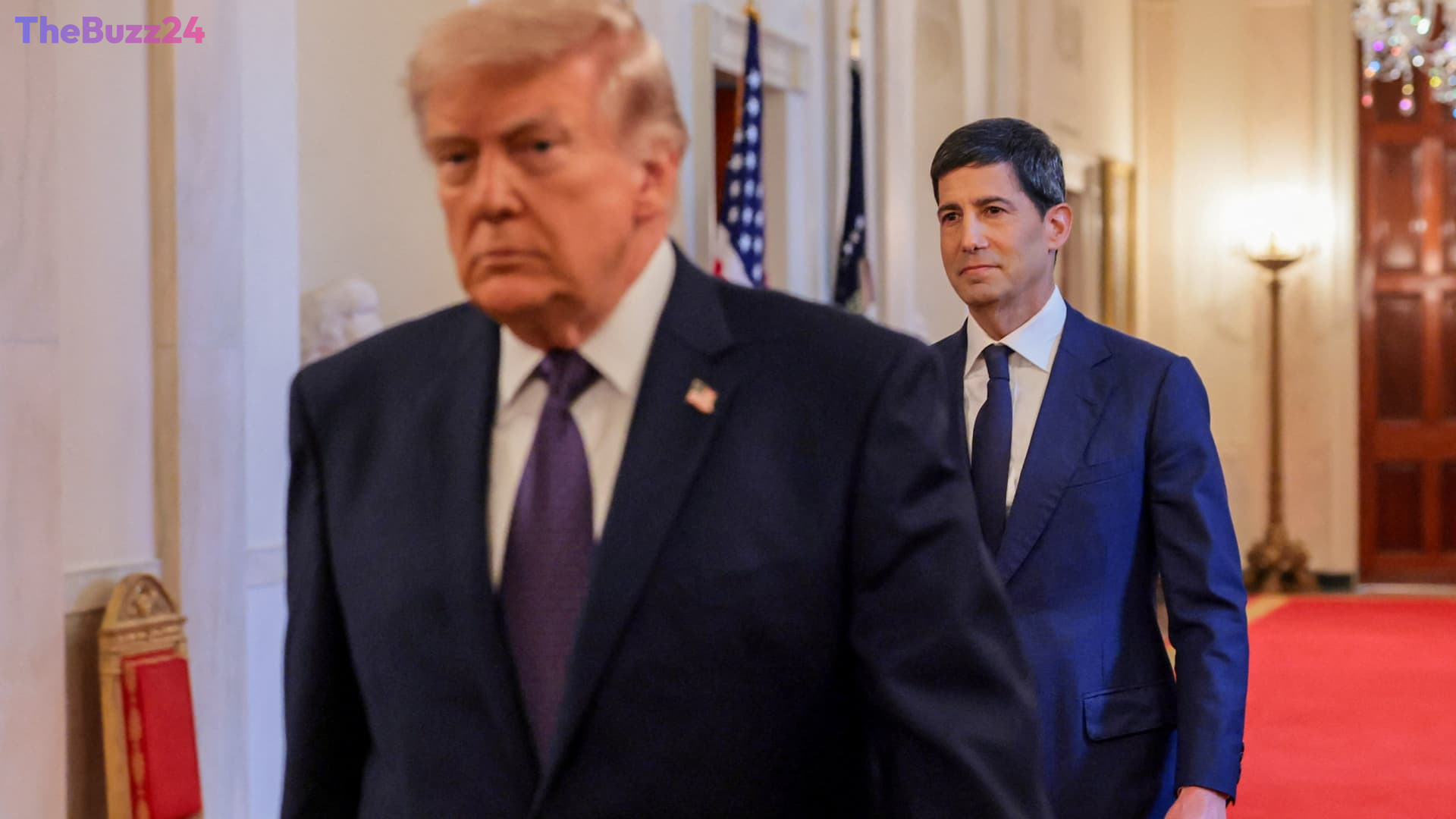
President Donald Trump’s recent public statements on inflation signal a significant shift in his approach to the Federal Reserve, particularly with Kevin Warsh now at the helm. Trump’s declaration that he “loves the inflation” following a 4.2% annualized jump in consumer prices marks a stark contrast to his previous aggressive stance against former Fed Chair Jerome Powell.
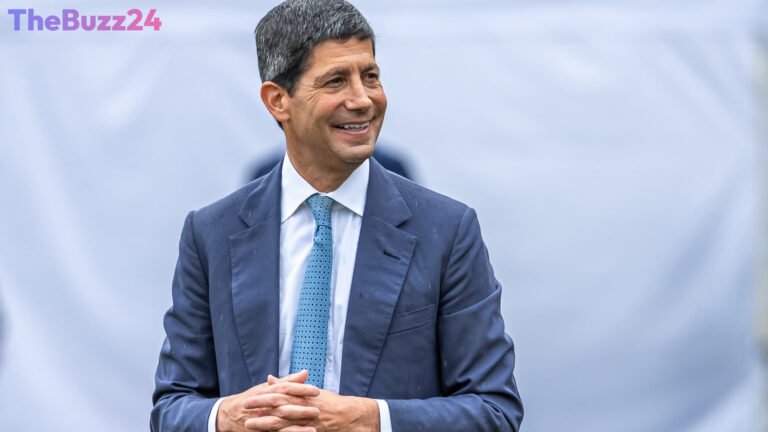
This change in rhetoric appears to align with Warsh’s perspective on economic shocks. Warsh, set to chair his first Federal Open Market Committee (FOMC) meeting next week, has indicated a willingness to look past temporary price fluctuations, such as those driven by geopolitical events like the conflict in Iran impacting energy prices. While inflation has reached a three-year high, Warsh’s focus on underlying inflation trends, excluding volatile energy and food costs, suggests a more nuanced approach to monetary policy. Core CPI, for instance, saw a more modest increase of 2.9%.
During his confirmation hearings, Warsh acknowledged inflation concerns but also noted his interest in the “underlying generalized change in prices.” This suggests a policy of “looking through” temporary supply shocks, a view that Trump now seems to embrace. The President’s comments imply he may not pressure Warsh to immediately cut interest rates, a departure from his persistent demands for lower rates under Powell. Trump’s past actions, including attempts to influence Fed appointments and alleged investigations into Fed spending, underscore the dramatic nature of this apparent policy U-turn.
Market expectations currently favor the Fed holding interest rates steady, a position that Warsh’s nuanced view on inflation and Trump’s newfound acceptance of higher inflation figures could support. The upcoming FOMC meeting and Warsh’s subsequent press conference will be closely watched for further clarity on the Fed’s future direction under its new leadership and the evolving relationship between the White House and the central bank.
Key Takeaways
- President Trump has expressed approval of current inflation levels, a reversal from his previous stance demanding lower interest rates.
- New Federal Reserve Chair Kevin Warsh appears inclined to 'look through' temporary inflation shocks, potentially aligning with Trump's current rhetoric.
- Market expectations lean towards the Fed holding interest rates steady, a decision potentially influenced by the new dynamic between the White House and the central bank.
Editor’s Analysis & Impact
The apparent shift in President Trump’s rhetoric regarding inflation and the Federal Reserve marks a potentially significant development for monetary policy. By embracing higher inflation figures and expressing support for Fed Chair Kevin Warsh’s independent approach, Trump may be signaling a less interventionist stance than seen under former Chair Jerome Powell. This could provide Warsh with the latitude to manage inflation based on his assessment of underlying economic trends, rather than succumbing to political pressure for immediate rate cuts. The market’s reaction to this evolving relationship will be crucial, as it could influence investor confidence and future economic strategies. The long-term implications hinge on whether this is a sustained policy shift or a temporary alignment of convenience.
Frequently Asked Questions
Q: What is the Federal Reserve's role regarding inflation?
A: The Federal Reserve's dual mandate includes maintaining price stability, which means keeping inflation at a low and predictable level, typically around 2%. They use tools like adjusting interest rates to influence borrowing costs and economic activity to manage inflation.
Q: What is 'core CPI' inflation?
A: Core Consumer Price Index (CPI) inflation measures the change in prices for a basket of goods and services, excluding the more volatile categories of food and energy. It is often seen as a better indicator of underlying inflation trends.
Q: What does it mean for the Fed to 'look through' a supply shock?
A: When the Fed 'looks through' a supply shock, it means they allow temporary price increases caused by factors like disruptions in energy supply or geopolitical events to pass through the economy without immediately reacting by raising interest rates. The assumption is that these price pressures will eventually subside on their own.
AI Disclosure: This article is based on verified data and official reports. Our Team and AI have cross-referenced every financial detail with primary sources to ensure total accuracy.
More from this Category