Orbital Physics: How NASA Is Revolutionizing Soccer Technology
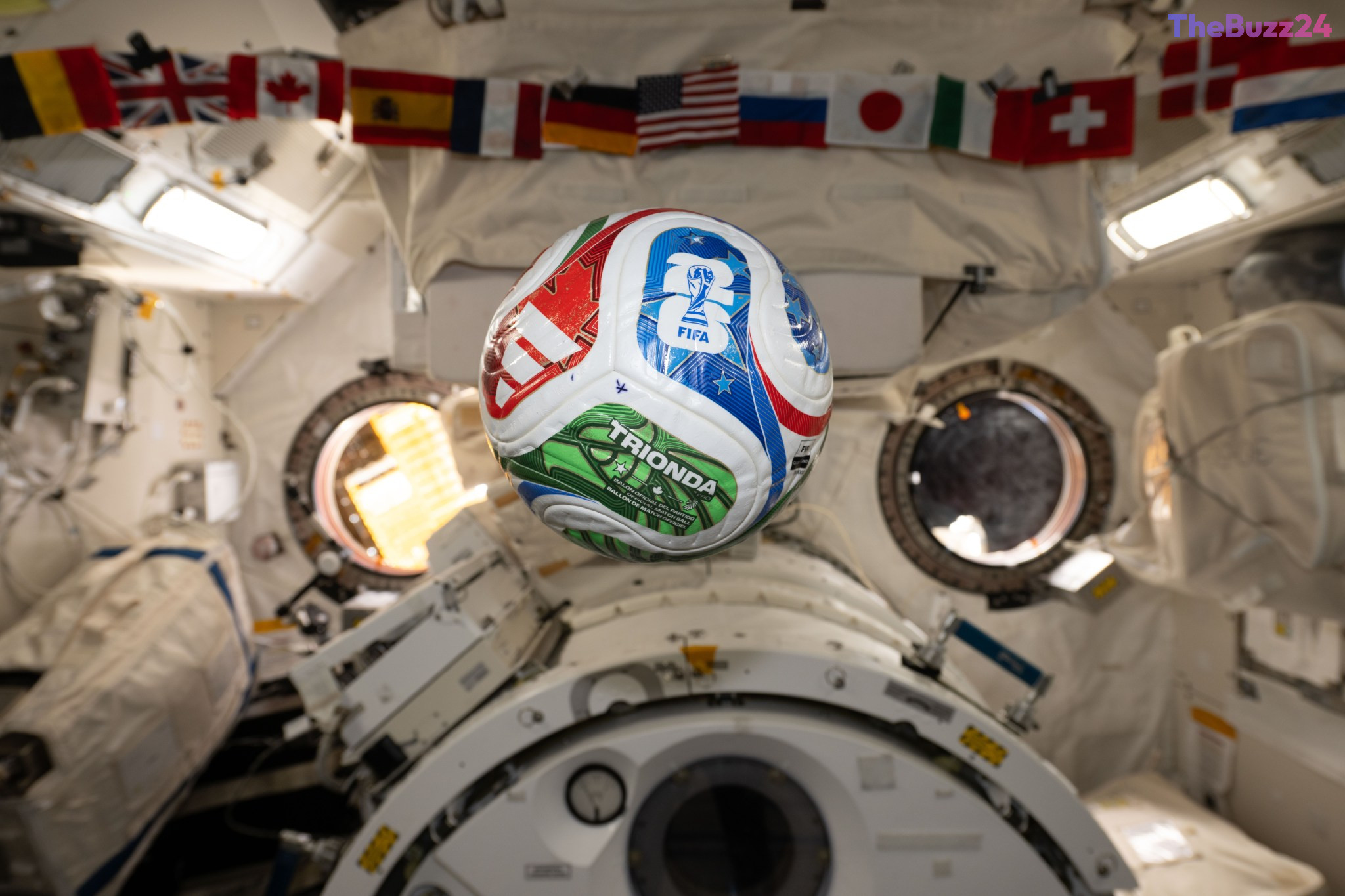
Astronauts aboard the International Space Station have turned their attention to the world’s most popular sport, conducting a unique series of experiments involving soccer balls in microgravity. The research, captured in imagery from March 2026, was designed to analyze how internal mass distribution and embedded sensors affect the stability and flight trajectory of a ball when removed from the constraints of Earth’s gravity.
By observing how these objects behave in a weightless environment, researchers are gaining critical insights into the aerodynamics and mechanical performance of modern match-ball technology. The study focuses on how integrated sensors—often used to track player data and ball movement—alter the center of gravity and rotational dynamics of the ball. These findings are expected to provide manufacturers with a deeper understanding of how to optimize ball design for professional play.
This initiative highlights the broader mission of space-based research, where experiments conducted in orbit frequently yield practical applications for industries on the ground. By bridging the gap between aerospace engineering and athletic performance, the data gathered in space is helping to refine the technology used by professional leagues and athletes worldwide, ensuring that the next generation of sports equipment is more precise and reliable.
Key Takeaways
- Astronauts tested soccer balls in microgravity to study the impact of internal mass and sensors on motion.
- The research aims to improve the design and performance of professional match-ball technology.
- Space-based experiments are providing actionable data to enhance athletic equipment used on Earth.
Editor’s Analysis & Impact
The intersection of aerospace engineering and professional sports represents a growing trend in applied research. By utilizing the unique environment of the International Space Station, researchers can isolate variables—such as internal mass distribution—that are difficult to study with precision in a standard atmospheric setting. This study is significant because it moves beyond theoretical physics, offering tangible improvements for the multi-billion dollar sports equipment industry. As sensor technology becomes increasingly integrated into athletic gear, understanding the mechanical trade-offs of these additions is vital for maintaining the integrity of the game. Looking forward, we can expect a tighter feedback loop between space-based material science and consumer product development, as companies seek to leverage orbital data to gain a competitive edge in performance and durability.
Frequently Asked Questions
Q: Why did researchers test soccer balls in space?
A: The tests were conducted to understand how internal mass and embedded sensors affect a ball's motion and stability in a microgravity environment, which helps refine ball design for Earth-based sports.
Q: How does space research benefit athletes on Earth?
A: Research conducted in space often leads to advancements in material science and aerodynamics, which manufacturers then apply to create more accurate, durable, and high-performing sports equipment.
AI Disclosure: This article is based on verified data and official reports. Our Team and AI have cross-referenced every financial detail with primary sources to ensure total accuracy.
More from this Category