Beyond Astronauts: NASA Inspires Next Generation with Technical Career Showcase
NASA recently hosted a dedicated Career Technical Education Day at its Langley Research Center in Hampton, Virginia, aiming to broaden perceptions of career opportunities within the agency. The event brought together one hundred high school and community college students from Virginia and North Carolina, offering them an immersive experience into the diverse technical roles crucial for advancing space exploration and innovation. This initiative underscores NASA’s commitment to cultivating a skilled workforce, highlighting that a career at the agency extends far beyond the well-known roles of astronauts and engineers.
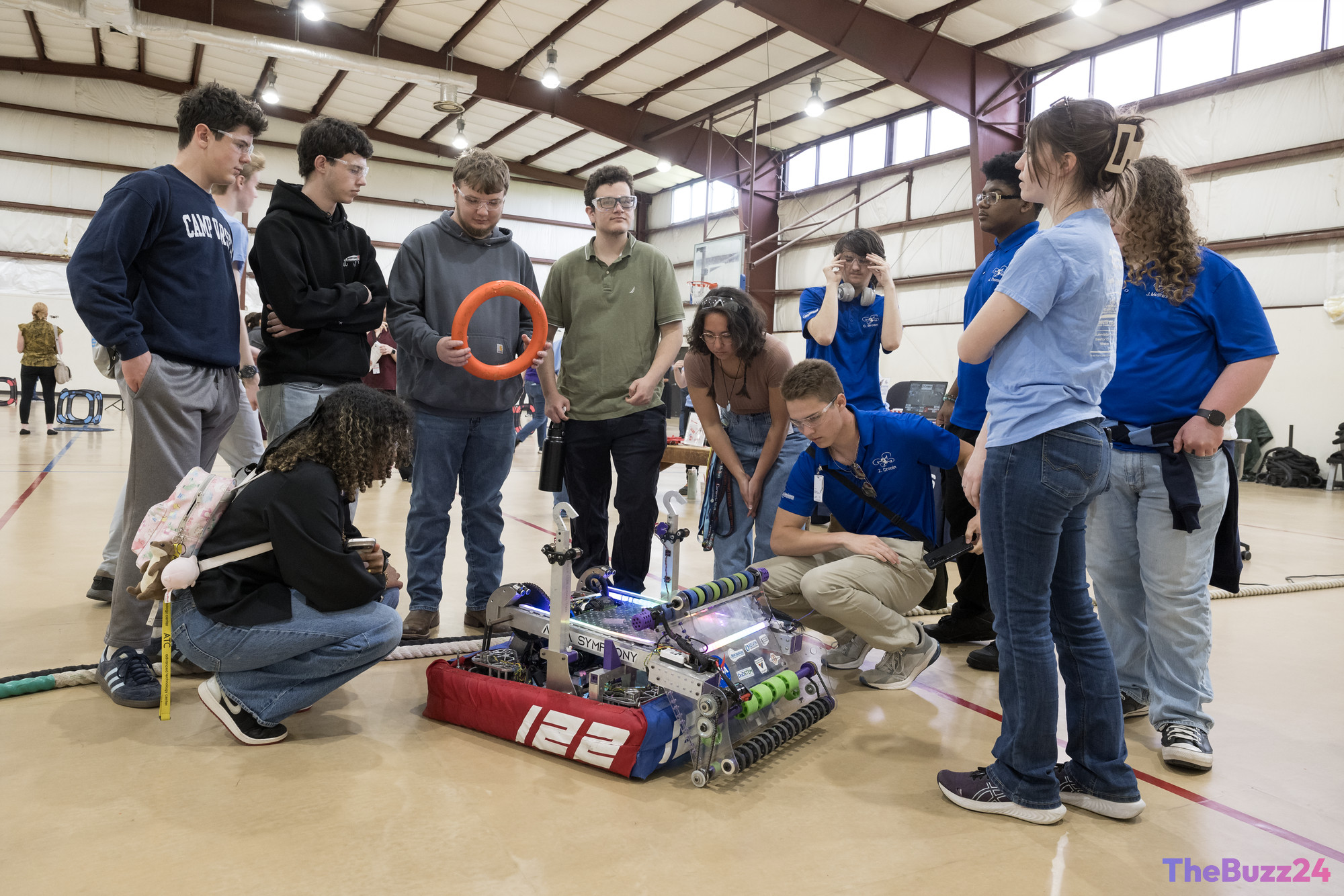
Throughout the day, students embarked on tours of Langley’s renowned facilities, including the historic Landing and Impact Research Facility and one of its advanced wind tunnels. These behind-the-scenes glimpses showcased the intricate work performed by technicians who build, test, and refine the technologies underpinning NASA’s missions. Interactive demonstrations led by NASA technicians and aerospace industry partners further connected classroom learning with real-world applications, allowing participants to observe fabrication techniques, examine instrumentation, and engage with engineering challenges firsthand.
Key figures at NASA emphasized the importance of foundational skills and a curious mindset. Steve Gayle, acting associate director at NASA Langley, shared his journey from an engineering technician co-op to his current leadership role, encouraging students to embrace challenges and create their own opportunities. Bonnie Murray, lead for the Office of STEM Engagement at NASA Langley, highlighted that the event aimed to show students how their technical education directly translates into meaningful contributions at NASA. The day concluded with a career panel moderated by NASA astronaut Joe Acaba, featuring current Langley technician apprentices who shared insights into their career paths and the essential skills for success, reinforcing that a strong technical foundation opens up limitless possibilities.
Key Takeaways
- NASA's Career Technical Education Day aimed to showcase diverse technical career paths beyond traditional astronaut and engineering roles.
- The event provided high school and community college students with hands-on experiences, facility tours, and direct interaction with NASA technicians.
- Speakers emphasized the critical role of skilled technicians in advancing NASA's missions and the importance of foundational technical skills for future success.
Editor’s Analysis & Impact
This initiative by NASA is strategically vital for the future of aerospace and national technological competitiveness. By actively engaging high school and community college students, NASA is directly addressing the critical need for a robust STEM workforce. The event’s focus on technical careers, often overlooked in favor of more high-profile roles, helps demystify the industry and makes a career at NASA seem more attainable for a broader demographic. This proactive approach to talent pipeline development not only secures future innovation for space exploration but also strengthens the broader technical education ecosystem. The long-term implications include a more diverse and skilled workforce, fostering continued leadership in science and technology, and inspiring a new generation to pursue practical, hands-on careers that are essential for national progress.
Frequently Asked Questions
Q: What was the main purpose of NASA's Career Technical Education Day?
A: The primary goal was to introduce high school and community college students to the wide array of technical careers available at NASA, demonstrating how hands-on skills are crucial for the agency's missions and innovation, and to inspire the next generation of technical talent.
Q: Which students participated in the event?
A: One hundred high school and community college students from Virginia and North Carolina attended the Career Technical Education Day at NASA's Langley Research Center.
Q: What types of activities did students engage in during the event?
A: Students toured world-class facilities like the Landing and Impact Research Facility and wind tunnels, participated in hands-on robotics and engineering demonstrations, and interacted directly with NASA technicians and a career panel featuring an astronaut and technician apprentices.
AI Disclosure: This article is based on verified data and official reports. Our Team and AI have cross-referenced every financial detail with primary sources to ensure total accuracy.
More from this Category