Trump Signals Potential De-escalation in Iran Conflict Amid Conflicting Reports
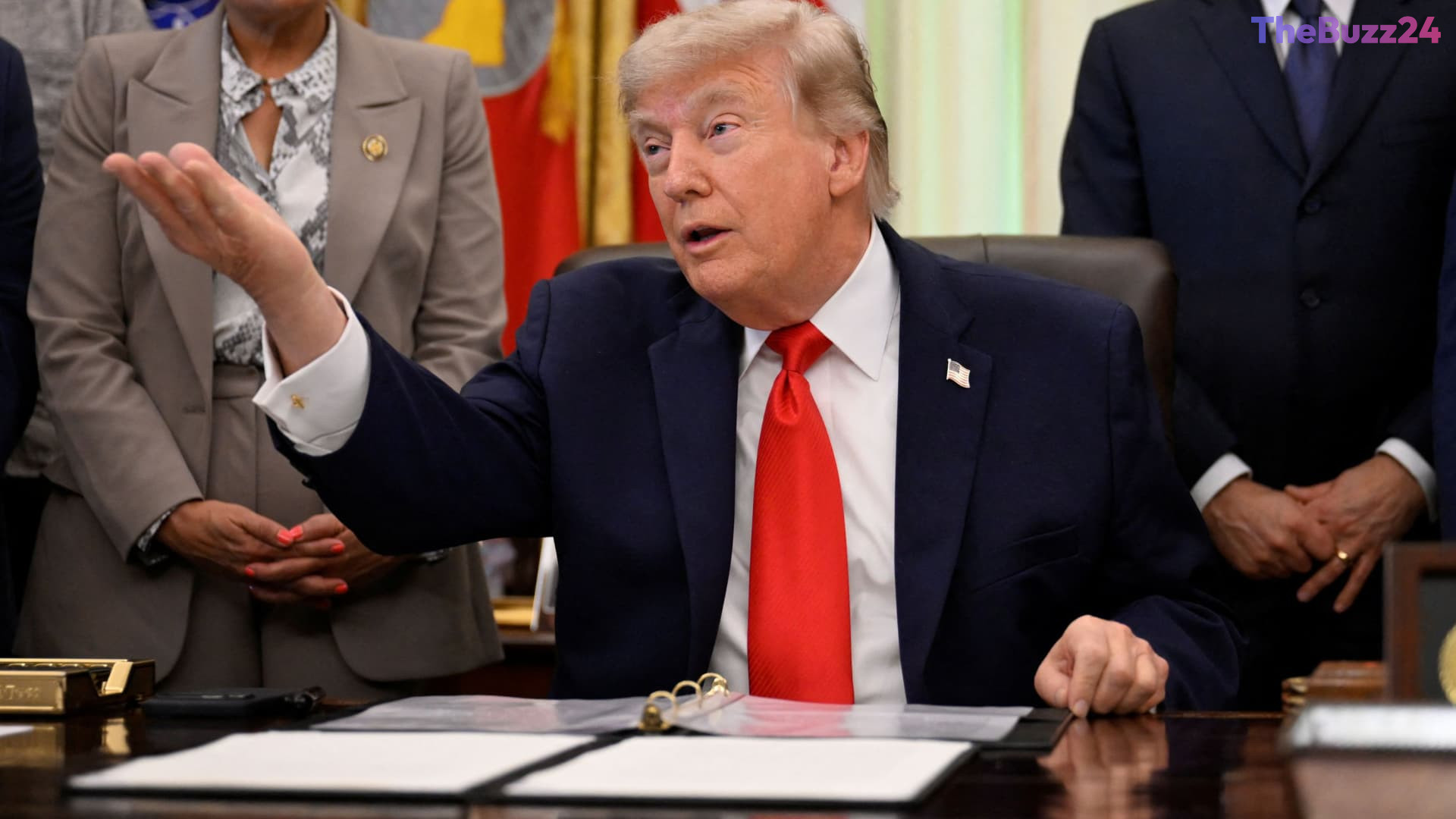
President Donald Trump has announced that the United States has reached a tentative settlement to end the ongoing conflict with Iran, pending the finalization of official documentation. Speaking from the Oval Office, the President indicated that a formal signing ceremony could take place within the coming days, potentially signaling an end to the hostilities that have disrupted global shipping lanes in the Strait of Hormuz.
This announcement followed a period of intense volatility, during which the President claimed to have canceled a planned series of military strikes against Iranian targets. Trump stated that these discussions have reached the highest levels of leadership and have received approval from a coalition of regional powers, including Israel, Saudi Arabia, and several other nations. Despite these claims, the U.S. naval blockade currently surrounding Iranian ports is expected to remain active until the agreement is fully ratified.
However, the path to peace remains uncertain as reports from Tehran offer a conflicting narrative. While some regional outlets suggested that the U.S. had accepted a previously proposed Iranian text, other sources within Iran denied that any final agreement had been reached, characterizing the U.S. rhetoric as a tactical shift following failed military threats. The situation remains fluid, with global markets reacting sharply to the President’s statements, as investors weigh the possibility of a diplomatic breakthrough against the reality of continued regional tensions.
Key Takeaways
- President Trump claims a settlement to the U.S.-Iran conflict is imminent, pending final documentation.
- The President announced the cancellation of planned military strikes, though a naval blockade remains in effect.
- Iranian officials have provided conflicting reports, denying that a final agreement has been approved.
Editor’s Analysis & Impact
The announcement highlights the extreme sensitivity of global markets to geopolitical rhetoric. The immediate surge in stock indexes and the decline in oil prices underscore the market’s desperate desire for stability in the energy sector, particularly regarding the Strait of Hormuz. However, the discrepancy between the White House’s optimistic messaging and the skepticism from Tehran suggests that a durable peace remains elusive. For investors and policymakers, this creates a high-risk environment where volatility is driven more by social media declarations than by concrete diplomatic milestones. The broader implication is a ‘wait-and-see’ approach for global trade, as the lack of a verified, signed agreement leaves the door open for a rapid return to full-scale conflict should negotiations stall once again.
Frequently Asked Questions
Q: Has a formal peace treaty been signed between the U.S. and Iran?
A: No. While President Trump has claimed a settlement is imminent, the agreement is still subject to the finalization of documents and has not yet been officially signed.
Q: What is the current status of the U.S. naval blockade?
A: The U.S. naval blockade of Iranian ports in the Gulf of Oman remains in full force and effect until the proposed transaction is finalized.
AI Disclosure: This article is based on verified data and official reports. Our Team and AI have cross-referenced every financial detail with primary sources to ensure total accuracy.
More from this Category