Oil Tanker Industry Braces for Potential Reopening of Strait of Hormuz
The global oil shipping industry is closely monitoring diplomatic developments between the United States and Iran, with industry leaders anticipating a swift rebound in maritime traffic should a credible security agreement be reached. Lars Barstad, CEO of the major tanker firm Frontline, suggests that while current transit numbers remain at a trickle—averaging only five to ten ships daily—a stable deal could rapidly incentivize operators to return to this critical energy artery.
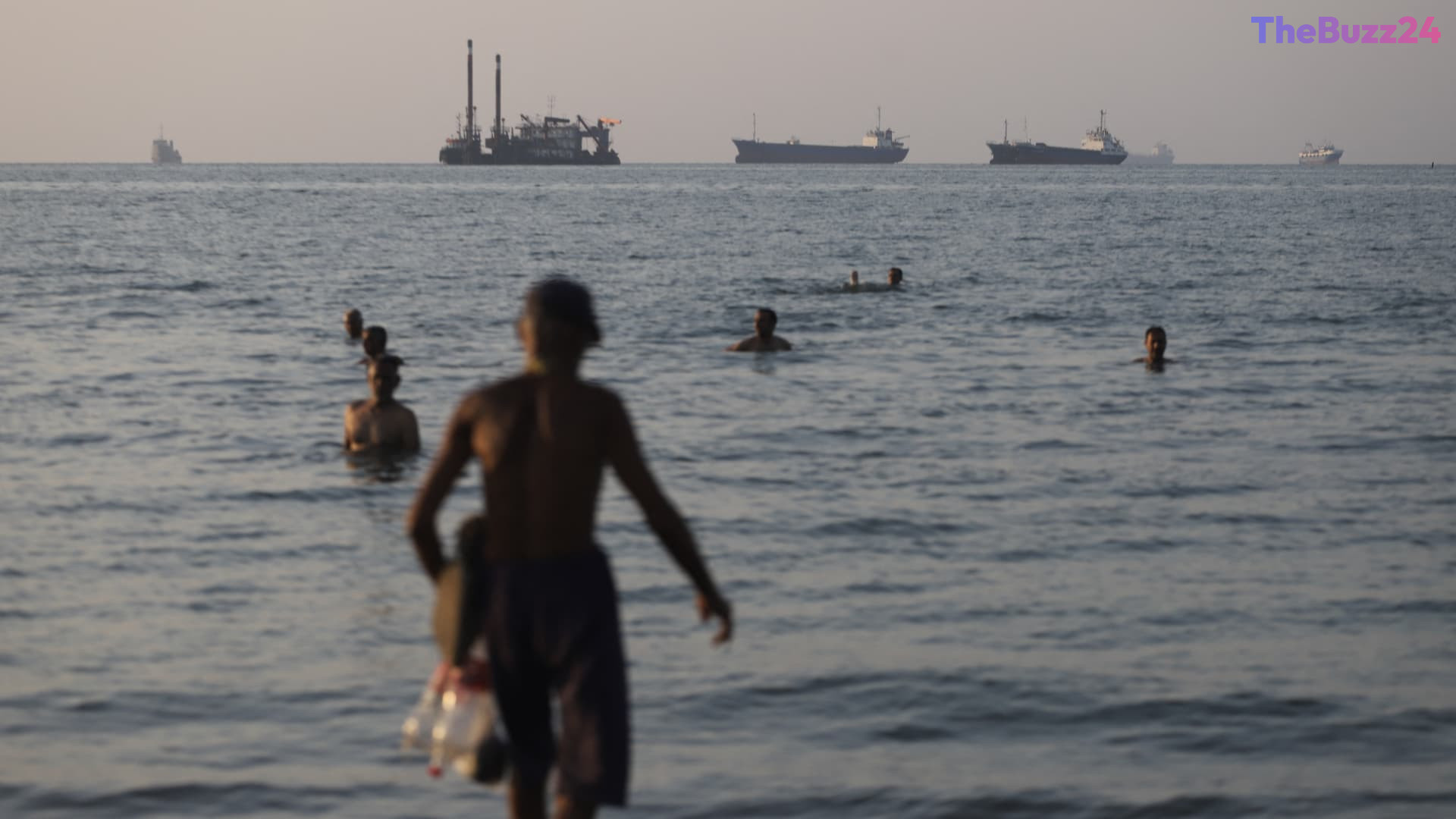
Currently, the region faces significant logistical hurdles, with approximately 10% of the world’s Very Large Crude Carriers (VLCCs) reportedly stalled in the Persian Gulf. These vessels, each capable of transporting up to 2 million barrels of oil, represent a massive, untapped supply chain waiting for the green light to exit. While some commercial actors have strategically positioned their fleets near the region in anticipation of a breakthrough, others remain cautious, wary of the recurring cycle of geopolitical tension and the potential for false starts in diplomatic negotiations.
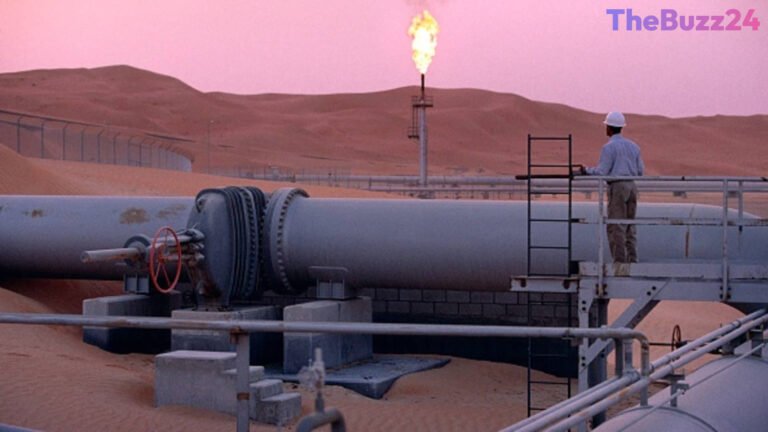
Beyond the immediate security concerns, the industry faces long-term structural challenges. Even if the Strait of Hormuz were to reopen tomorrow, experts warn that production levels may not immediately return to pre-closure highs. Some oil fields in the region may have suffered permanent damage due to prolonged inactivity, including pressure loss and water contamination. Furthermore, the global tanker fleet has been significantly dispersed to alternative routes, such as the U.S. Gulf Coast, meaning a full logistical recovery will require time and high freight rates to draw vessels back to the Middle East.
Ultimately, the decision to resume full-scale operations rests on the downgrading of security threat assessments. As maritime authorities continue to monitor the region, shipping companies remain pragmatic. Whether or not new transit fees or toll systems emerge from future negotiations, the industry expects that the costs will likely be passed down to the end consumer, ensuring that the economic impact of the Strait’s volatility is felt far beyond the shipping lanes.
Key Takeaways
- A credible U.S.-Iran agreement could lead to a rapid increase in oil tanker traffic through the Strait of Hormuz.
- Approximately 10% of the world's largest crude carriers are currently stalled in the Persian Gulf, awaiting a resolution to security threats.
- Long-term oil production in the region may be permanently impacted by damage to oil wells during the period of inactivity.
Editor’s Analysis & Impact
The potential reopening of the Strait of Hormuz represents a massive ‘supply-side’ shock for global energy markets. From an industry perspective, the current bottleneck has forced a global redistribution of tanker fleets, creating inefficiencies that have kept freight rates elevated. If a diplomatic breakthrough occurs, we should expect a ‘bullish’ surge in tanker availability, which will likely stabilize oil prices but create a logistical scramble as companies attempt to re-route vessels simultaneously. However, the broader implication is the permanent degradation of regional infrastructure; the ‘war-time’ damage to oil wells suggests that even with a total peace deal, the Middle East may struggle to reclaim its former dominance in export volumes. Investors should monitor the transition from ‘critical’ to ‘low’ risk maritime assessments as the primary indicator for a return to market normalcy.
Frequently Asked Questions
Q: Why are so many oil tankers currently stuck in the Persian Gulf?
A: Many tankers are unable to transit the Strait of Hormuz due to high security risks and the threat of military escalation, leading companies to hold their vessels in the region in anticipation of a diplomatic resolution.
Q: Will oil production return to normal immediately if the Strait reopens?
A: Likely not. Experts suggest that some oil wells may have suffered permanent damage during the shutdown, and the global redistribution of the tanker fleet means it will take time to logistically realign supply chains.
AI Disclosure: This article is based on verified data and official reports. Our Team and AI have cross-referenced every financial detail with primary sources to ensure total accuracy.
More from this Category