Gold Prices Hit Six-Month Low Amid Shifting Interest Rate Expectations
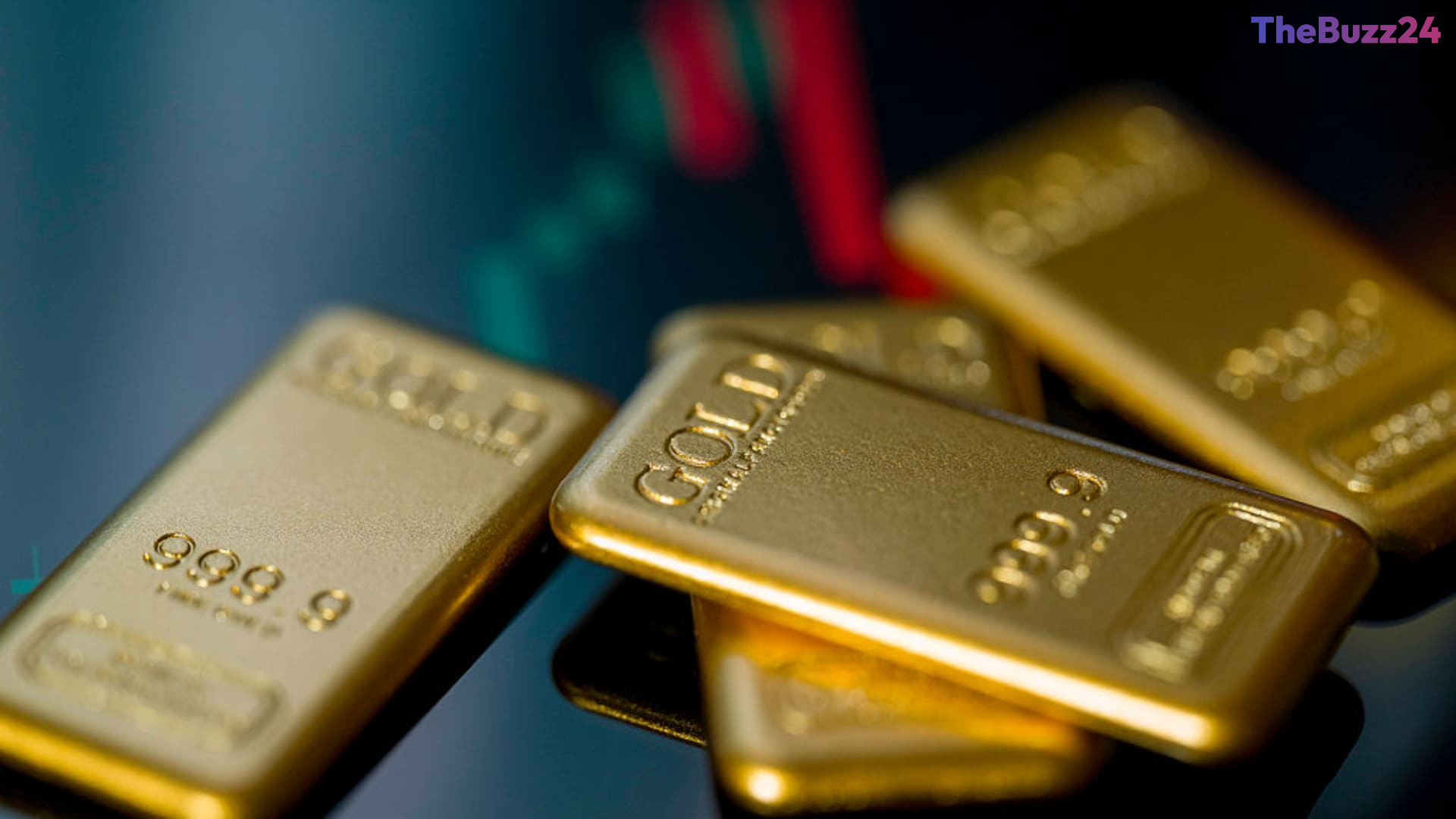
Gold prices have tumbled to their lowest level in six months, marking a significant 6.3% decline over the past week. This sharp downturn reflects a broader shift in investor sentiment as market participants recalibrate their expectations regarding the Federal Reserve’s monetary policy. With inflation remaining a persistent concern, the prospect of interest rates staying higher for longer has diminished the appeal of non-yielding assets like bullion.
August gold futures recently dipped to $4,046.20 an ounce, a level not seen since November. This decline is largely driven by the realization that the Federal Reserve may maintain or even increase benchmark lending rates to combat inflationary pressures, which have been exacerbated by ongoing geopolitical tensions in the Middle East. As energy costs rise and labor market data remains robust, the previous optimism surrounding potential rate cuts has largely evaporated, with traders now pricing in a significant probability of a rate hike before the end of the year.
Beyond the immediate impact of interest rates, there is a noticeable retreat from what analysts describe as the ‘debasement trade.’ Both retail and institutional investors have begun pulling capital out of gold and bitcoin, as evidenced by substantial outflows from gold exchange-traded funds. Technical indicators have further soured the outlook, with gold breaking below its 200-day moving average—a development often viewed as a bearish signal by market analysts.
Despite the current short-term volatility, some market observers maintain a constructive long-term outlook. Factors such as global geopolitical fragmentation, concerns over sovereign debt, and the ongoing trend of central banks diversifying their reserves are expected to provide a floor for gold prices. However, for the time being, the market remains focused on the immediate implications of a hawkish Federal Reserve and the cooling of speculative interest in safe-haven assets.
Key Takeaways
- Gold prices have fallen to a six-month low, dropping 6.3% in a single week due to expectations of sustained high interest rates.
- Investors are moving away from the 'debasement trade,' resulting in significant capital outflows from both gold and bitcoin ETFs.
- Technical analysis shows a bearish trend after gold broke below its 200-day moving average, though long-term demand drivers like central bank diversification remain intact.
Editor’s Analysis & Impact
The current slump in gold prices highlights the market’s sensitivity to the Federal Reserve’s ‘higher for longer’ interest rate narrative. Gold, which typically thrives as a hedge against uncertainty, is currently struggling because it lacks the yield offered by dollar-denominated assets like Treasury securities. The retreat from the ‘debasement trade’ suggests that investors are prioritizing liquidity and yield over speculative hedges against currency devaluation. Looking ahead, the market will likely remain volatile until there is more clarity on the Federal Reserve’s policy path. While the short-term technical picture is weak, the structural demand for gold—driven by geopolitical instability and sovereign debt concerns—suggests that the metal may find support if economic conditions shift or if inflation proves more stubborn than current projections suggest.
Frequently Asked Questions
Q: Why is gold falling if inflation is rising?
A: While gold is often a hedge against inflation, it does not pay interest. When the Federal Reserve keeps interest rates high, other assets like Treasury bonds become more attractive because they offer a guaranteed yield, causing investors to move capital away from gold.
Q: What is the 'debasement trade'?
A: The 'debasement trade' refers to investors buying assets like gold and bitcoin as a protection against the perceived devaluation of fiat currencies, often caused by excessive government spending, high deficits, or loose monetary policy.
AI Disclosure: This article is based on verified data and official reports. Our Team and AI have cross-referenced every financial detail with primary sources to ensure total accuracy.
More from this Category