Key Foreign Surveillance Program Lapses Amidst DNI Appointment Controversy
Section 702 of the Foreign Intelligence Surveillance Act (FISA), a critical tool for national security, has officially expired after the U.S. House of Representatives failed to pass an extension. The program, which allows the government to collect communications of non-U.S. persons located abroad, including those interacting with Americans, lapsed following a contentious vote that saw a bipartisan bloc reject a short-term reauthorization.
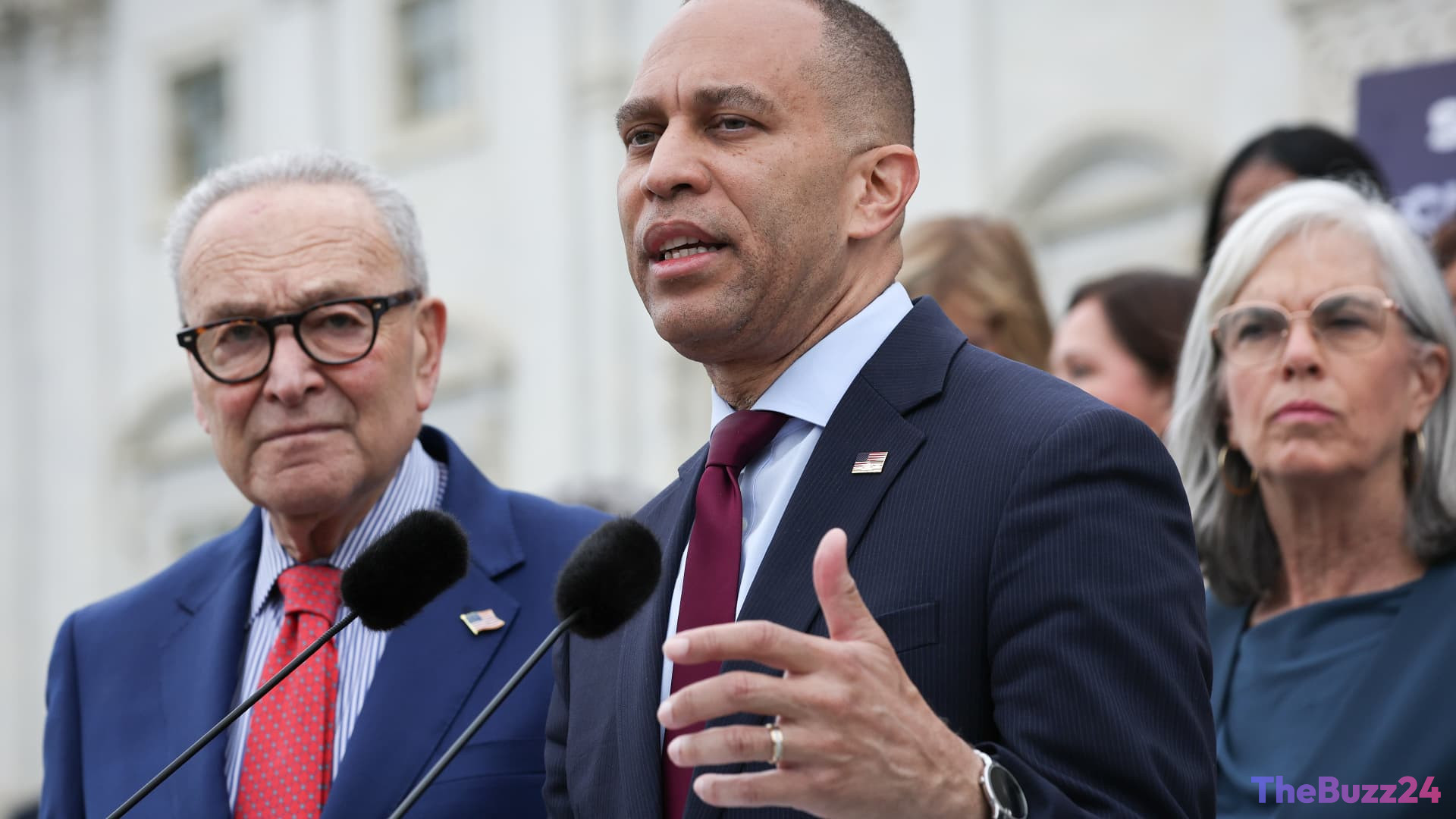
The primary catalyst for the legislative stalemate was President Donald Trump’s controversial appointment of Bill Pulte as acting Director of National Intelligence (DNI). Pulte, who currently heads the Federal Housing Finance Agency, faced widespread criticism from both Democrats and some Republicans for his lack of national security experience and allegations that he used his previous position to investigate political opponents. Democratic leaders, including House Minority Leader Hakeem Jeffries, explicitly stated their opposition to any reauthorization without significant reforms to protect privacy rights and in light of Pulte’s appointment, which they argued defied legal requirements for extensive national security experience in the DNI role.
The measure to extend Section 702 through July 2 failed by a vote of 198-218, with 199 Democrats and 19 Republicans opposing it. House Speaker Mike Johnson had attempted to pass the extension using a procedural tool typically reserved for noncontroversial bills, requiring a two-thirds majority. The House subsequently adjourned, leaving the program to expire. Critics of the program, often referred to as privacy hawks, have long raised concerns about the potential for U.S. citizens’ data to be inadvertently collected.
The expiration of Section 702 has raised significant national security concerns, particularly as the U.S. prepares to host major international events like the FIFA Men’s World Cup and various semiquincentennial celebrations. Senior officials, including Senator Mark Warner, the top Democrat on the Senate Select Committee on Intelligence, acknowledged the dangers of the program lapsing. While President Trump later announced his intention to nominate Jay Clayton as the permanent DNI, the timing of this announcement came after the House had already left town, further complicating any immediate legislative path forward.
Key Takeaways
- Section 702 of the Foreign Intelligence Surveillance Act (FISA), a key national security tool, has expired after the House of Representatives failed to pass an extension.
- The primary reason for the legislative blockage was bipartisan opposition to President Donald Trump's temporary appointment of Bill Pulte as acting Director of National Intelligence (DNI), citing his lack of experience and perceived political motivations.
- The lapse of this surveillance program raises significant national security concerns, especially with major international events like the FIFA World Cup approaching.
Editor’s Analysis & Impact
The expiration of Section 702 of FISA represents a significant disruption to U.S. intelligence gathering capabilities, particularly in an increasingly complex global security landscape. While not directly impacting financial markets, the uncertainty surrounding national security infrastructure could indirectly influence investor confidence in sectors reliant on stable geopolitical conditions. The political deadlock highlights a persistent tension between national security imperatives and civil liberties, exacerbated by contentious political appointments. The future outlook involves potential executive actions to mitigate the immediate impact or a renewed legislative push, likely contingent on a resolution regarding the DNI leadership. This event underscores the challenges of maintaining critical government functions amidst partisan divisions and could set a precedent for future legislative battles over essential programs.
Frequently Asked Questions
Q: What is Section 702 of the Foreign Intelligence Surveillance Act (FISA)?
A: Section 702 is a provision of FISA that authorizes the U.S. government to conduct targeted surveillance of non-U.S. persons located outside the United States to acquire foreign intelligence information. It is considered a vital tool for national security, though it has also drawn criticism from privacy advocates due to concerns about the incidental collection of data from U.S. citizens.
Q: Why did Section 702 expire?
A: Section 702 expired because the U.S. House of Representatives failed to pass an extension. The primary reason for this failure was widespread bipartisan opposition to President Donald Trump's temporary appointment of Bill Pulte as acting Director of National Intelligence (DNI), citing his lack of national security experience and perceived political motivations.
Q: What are the potential consequences of Section 702's expiration?
A: The expiration of Section 702 could significantly hamper the U.S.'s ability to gather critical foreign intelligence, potentially impacting national security. This is particularly concerning given upcoming major international events like the FIFA World Cup, which require robust intelligence capabilities to ensure safety and security. It creates uncertainty for intelligence agencies and could necessitate alternative, potentially less effective, methods of intelligence collection.
AI Disclosure: This article is based on verified data and official reports. Our Team and AI have cross-referenced every financial detail with primary sources to ensure total accuracy.
More from this Category