Japan Shifts Defense Strategy: A New Era of Deterrence and Regional Security
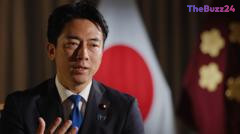
Japan is undergoing a significant transformation in its national security posture, moving away from its long-standing pacifist framework to address an increasingly volatile Indo-Pacific region. Defense Minister Shinjiro Koizumi has emphasized that strengthening the nation’s defense capabilities is a critical step in preventing conflict, advocating for a multi-layered approach that includes deeper integration with the United States and expanded security partnerships with regional allies.
Central to this shift is a historic relaxation of arms export regulations, allowing Japan to transfer defense equipment to 17 partner nations, including the UK, the Philippines, and Australia. This policy change marks a departure from decades of self-imposed restrictions, enabling Japan to play a more active role in regional stability. The government has also committed to doubling defense spending to 2% of GDP, with investments focused on advanced technologies such as unmanned drones and long-range surface-to-ship missiles.
Political leadership under Prime Minister Sanae Takaichi is also pushing for a potential revision of Article 9 of the Japanese Constitution, which has historically renounced war and the maintenance of military forces. While the administration argues that these changes are necessary to counter the growing influence of China and the persistent nuclear threat from North Korea, the proposal has sparked significant domestic debate. Critics suggest that the current legal framework is already sufficient for defensive operations, labeling the push for constitutional reform as more of a political objective than a military necessity.
As Japan navigates this delicate balance, the government maintains that it remains open to diplomatic engagement with Beijing, despite identifying China’s military expansion as the primary strategic challenge to the region. Ultimately, any formal change to the nation’s pacifist status will require the approval of the Japanese public through a national referendum, ensuring that the future of the country’s security policy remains a matter of democratic consensus.
Key Takeaways
- Japan is actively relaxing its post-WWII pacifist stance by increasing defense spending to 2% of GDP and easing arms export restrictions.
- The government is pursuing a 'multi-layered deterrence' strategy, involving stronger alliances with the US and new defense partnerships across the Indo-Pacific.
- Prime Minister Sanae Takaichi’s administration is considering a constitutional amendment to Article 9, a move that has triggered both national security debates and public protests.
Editor’s Analysis & Impact
Japan’s pivot toward a more assertive military posture represents a fundamental shift in the geopolitical architecture of the Indo-Pacific. By transitioning from a passive security consumer to an active regional provider, Japan is signaling to both allies and adversaries that it is prepared to take responsibility for its own sovereignty. This shift carries significant implications for the global defense industry, as Japanese firms in shipbuilding and electronics gain access to international markets. However, the move risks heightening tensions with China, which views these developments as a return to regional militarism. The long-term success of this strategy depends on Japan’s ability to maintain domestic political stability while navigating the ‘burden-sharing’ expectations of the United States. If successful, this policy could create a more resilient security network in Asia, but it also risks accelerating an arms race in a region already fraught with territorial disputes.
Frequently Asked Questions
Q: Why is Japan considering a revision to Article 9 of its Constitution?
A: The current administration argues that the regional security environment has changed dramatically since the end of World War II, necessitating a more flexible legal framework to address modern threats like North Korean missile tests and regional territorial tensions.
Q: How has Japan's policy on arms exports changed?
A: For the first time in 50 years, Japan has relaxed its rules to allow the sale or transfer of defense equipment and lethal weapons to 17 countries with which it has formal security agreements, including the US, UK, and several Indo-Pacific nations.
AI Disclosure: This article is based on verified data and official reports. Our Team and AI have cross-referenced every financial detail with primary sources to ensure total accuracy.
More from this Category