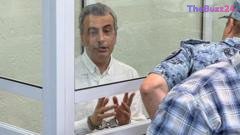
Russian Opposition Figure Lev Shlosberg Sentenced to Over a Decade in Prison
A prominent Russian political figure, Lev Shlosberg, has been sentenced to 11 years and one month in a penal colony following a conviction for allegedly discrediting the nation’s armed forces and disseminating false information. The 63-year-old politician, who serves as the deputy head of the liberal Yabloko party, maintained his innocence throughout the proceedings, characterizing the trial as a politically motivated effort to silence dissent against the ongoing conflict in Ukraine.
The verdict, delivered in the city of Pskov, marks a significant escalation in the state’s crackdown on anti-war sentiment. Shlosberg, a vocal critic of the military campaign, used his closing statement to reiterate his demand for an immediate ceasefire and the commencement of diplomatic dialogue. His legal team has confirmed plans to appeal the decision, though the judicial environment remains heavily influenced by wartime censorship laws that have effectively criminalized public opposition to government policy.
This sentencing coincides with broader efforts to marginalize political alternatives within Russia. The Yabloko party, which stood as the only registered political organization to openly oppose the 2022 invasion of Ukraine, has faced systemic exclusion from the upcoming parliamentary elections. Beyond the criminal charges against its leadership, the party has been barred from the ballot following accusations of extremism and copyright infringement, leaving the electoral field entirely occupied by parties that support the government’s military objectives.
Key Takeaways
- Lev Shlosberg, a senior member of the Yabloko party, received an 11-year prison sentence for criticizing the Russian military.
- The conviction is part of a wider trend of using wartime censorship laws to suppress political opposition and anti-war discourse.
- The Yabloko party has been effectively removed from the upcoming parliamentary elections, leaving no anti-war representation on the ballot.
Editor’s Analysis & Impact
The sentencing of Lev Shlosberg serves as a stark indicator of the shrinking space for political pluralism in Russia. By targeting the leadership of the Yabloko party, the state is signaling a zero-tolerance policy toward any institutionalized opposition to its foreign policy. The broader implication is the total consolidation of the political landscape, where electoral competition is now largely performative. For the international community, this development underscores the difficulty of maintaining internal pressure against the war effort, as the legal system is increasingly utilized as a tool for political containment. Future outlooks suggest that as long as wartime censorship remains in effect, organized dissent will likely be forced into exile or underground, further isolating the Russian political sphere from international democratic norms.
Frequently Asked Questions
Q: What were the specific charges against Lev Shlosberg?
A: Shlosberg was convicted of 'discrediting' the Russian armed forces and 'spreading false information' about them, primarily based on his social media comments.
Q: Why was the Yabloko party barred from the upcoming elections?
A: The party was removed from the ballot following accusations of supporting an 'extremist' movement and claims of copyright infringement, though the party denies all allegations.
AI Disclosure: This article is based on verified data and official reports. Our Team and AI have cross-referenced every financial detail with primary sources to ensure total accuracy.
More from this Category